Ghana’s refining capacity yet to shield fuel market from global shocks – CEMSE
Ghana’s growing refining capacity will improve fuel security but cannot yet fully shield the country from global petroleum market shocks, Mr Benjamin Nsiah, an energy expert, has said.
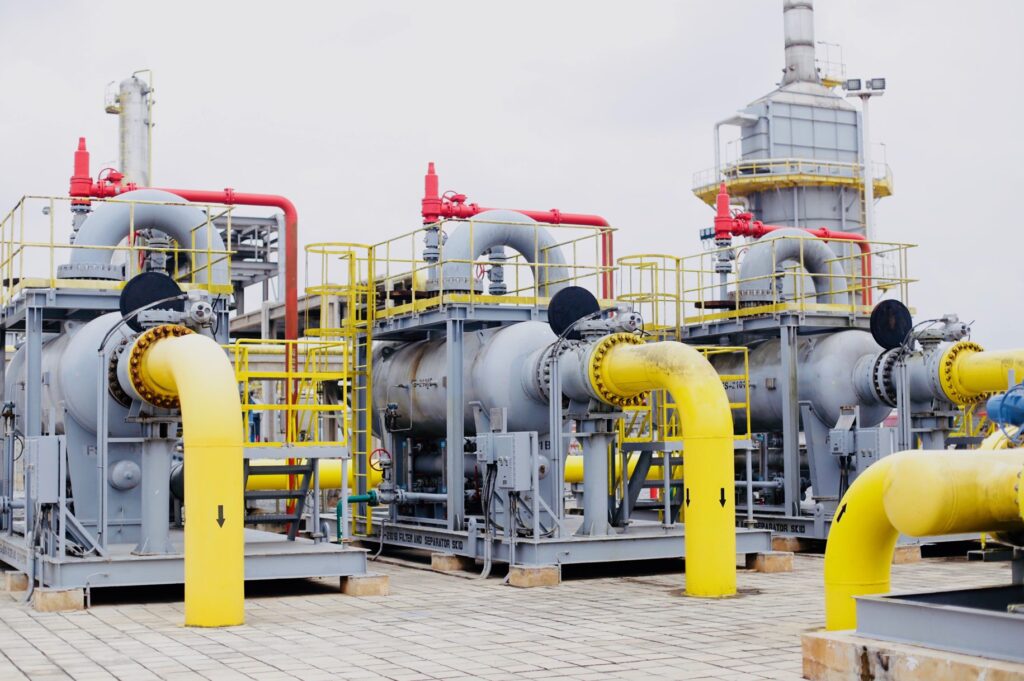
Ghana's expanding refining capacity can enhance fuel security, but it currently cannot fully protect the nation from global petroleum market fluctuations, according to Benjamin Nsiah, Executive Director of the Centre for Environmental Management and Sustainable Energy (CEMSE). At full capacity, Ghana's local refineries could satisfy approximately 60 percent of the country's daily demand for petroleum products, leaving the remaining 40 percent reliant on imports.
Nsiah, speaking to the Ghana News Agency in Accra, emphasized the significance of investments in local refining infrastructure to bolster energy security. He debunked the notion that merely operationalizing new refineries would entirely insulate Ghana from international fuel price volatility. Nsiah highlighted that the country's petroleum pricing regime remains susceptible to global market changes due to the continued importation of a substantial portion of refined petroleum products.
Factors such as international refined petroleum product prices, the Ghana cedi's exchange rate against the US dollar, freight and insurance costs, and statutory taxes and levies heavily influence pump prices under the deregulated pricing system. Consequently, fluctuations in global oil prices and foreign exchange rates can still impact domestic fuel prices despite investments in local refining capacity.
Nsiah pointed out that recent developments in state-owned and private refineries, like the increase in profits at the Tema Oil Refinery (TOR), signal promising prospects for enhanced domestic production. With proposed expansion projects by local refining firms, Ghana could potentially meet its entire fuel requirement. If successful, this expansion could position Ghana towards petroleum self-sufficiency and enable the country to export petroleum products within the West African sub-region.
Nsiah also advocated for a gradual recalibration of Ghana's petroleum pricing framework to align with local refinery costs and operational realities. By transitioning towards a more robust domestic refining industry, Ghana could reduce its dependence on international pricing benchmarks that significantly affect fuel prices. Ultimately, the long-term goal should be to establish a resilient petroleum sector that guarantees fuel availability while minimizing the repercussions of external market disruptions on consumers and businesses.
Written by urgent.news from Joy Business's reporting — not their text. Machine-written — may contain errors; check the original before relying on it.
This story
This is one outlet's version. Read the fullest account.