Ghana’s graduates trapped in unemployment as the system fails to absorb them
Every year, thousands of young people graduate from universities, colleges and other tertiary institutions across Ghana. They spend years studying, writing examinations and preparing for what they believe will be the next stage of their lives: getting a job and building a career. But for many graduates, the journey from the classroom to the workplace has become a frustrating struggle.
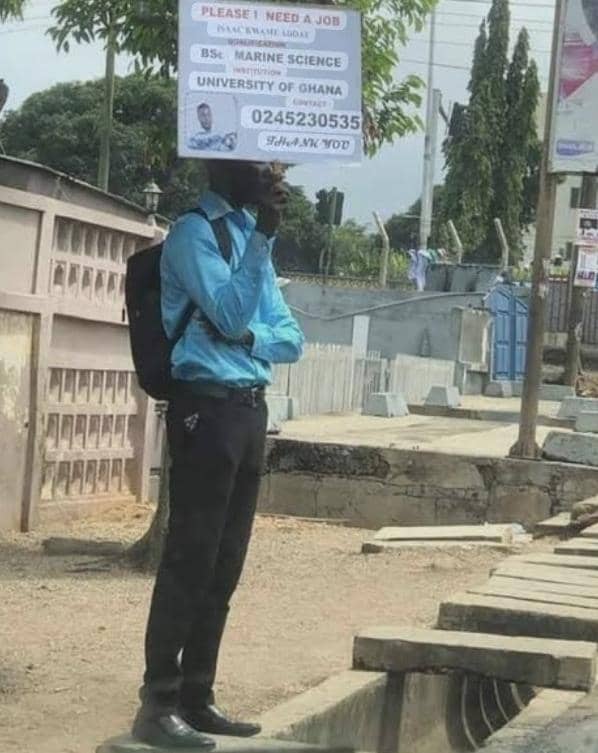
Every year, thousands of young people in Ghana graduate from universities and colleges, only to become trapped in unemployment as the education system fails to provide them with the necessary skills for the job market. After years of studying and preparing for their future careers, many graduates find themselves at home, applying for jobs, attending interviews, and waiting for opportunities that seem increasingly scarce.
Some spend months or even years searching for work, while others are forced to accept positions that do not align with their qualifications or eventually give up on their career aspirations.
The Ghana Statistical Service has consistently highlighted the challenging employment situation faced by young people in the country, with young individuals comprising a significant portion of those without work. Behind these statistics are real people - graduates with ambitions, families that have invested in their education, and young Ghanaians who simply desire an opportunity to work and contribute to society.
One of the primary issues lies in the disconnect between what students learn in school and what the workplace actually requires. Education often focuses heavily on theory, with students reading textbooks, attending lectures, and writing examinations to earn their certificates. However, the real world demands practical experience.
Employers seek individuals who can communicate effectively, use technology, prepare reports, solve problems, work collaboratively, and adapt quickly. This creates a difficult situation where graduates, despite having the required academic qualifications, may be told they lack the practical skills necessary for employment.
Furthermore, there is a growing expectation that employers demand two or more years of experience for entry-level positions, making it nearly impossible for fresh graduates to gain the experience they need to even apply for these jobs. Universities and other tertiary institutions must take a hard look at their educational offerings and work towards producing graduates who possess both the academic knowledge and practical skills needed in the workforce.
Even when graduates have the right skills, there is another significant challenge: there simply are not enough jobs. With limited government employment opportunities due to budget constraints and economic pressures, the private sector has not been able to create enough jobs to absorb the growing number of young people entering the workforce.
Consequently, competition for jobs becomes intense, with job advertisements often receiving hundreds of applications, many of which come from graduates with degrees, professional qualifications, internships, and years of experience. This can leave young graduates feeling as though they are virtually impossible to succeed against such stiff competition.
Written by urgent.news from MyJoyOnline Ghana's reporting — not their text. Machine-written — may contain errors; check the original before relying on it.
Also reported by 1 other outlet
- Ghana’s Graduates Trapped In Unemployment As The System Fails To Absorb Them dailyguidenetwork.com