German scientists discover bacteria that neutralize toxic uranium
A German study finds bacteria capable of converting toxic uranium into a stable compound, offering new prospects for water purification.
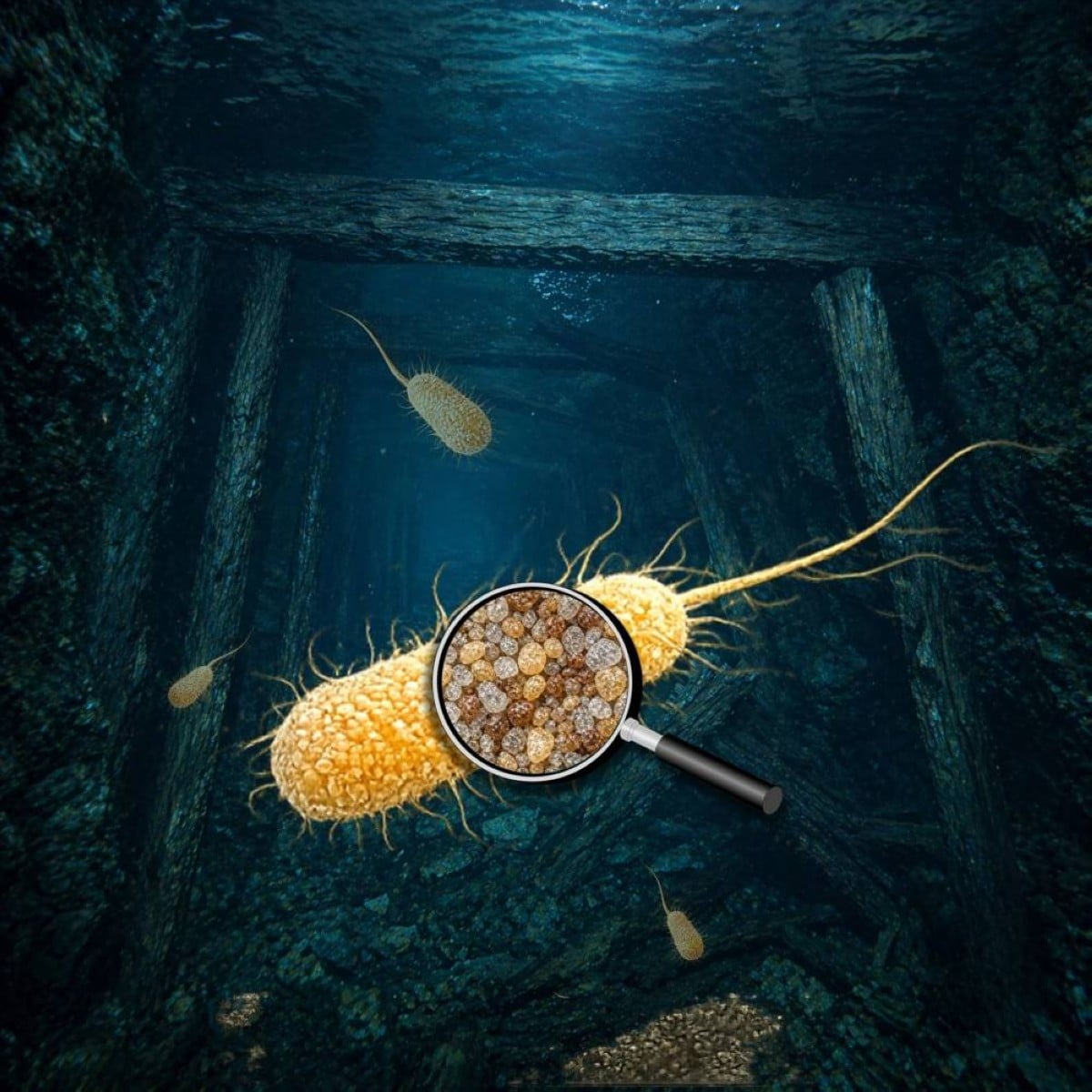
Scientists in Germany have discovered a type of bacteria that can transform toxic, dissolved uranium into a stable compound, potentially revolutionizing the process of water purification. The groundbreaking finding comes from a joint effort between researchers at the Helmholtz-Zentrum Dresden-Rossendorf (HZDR) and international collaborators.
The study, published in Nature Communications, reveals that when these bacteria were introduced to uranium mine water in a low-oxygen environment, they significantly reduced the concentration of dissolved uranium, with up to 95% disappearing within 130 days. This remarkable transformation occurred as the bacteria incorporated the uranium into their cell walls.
The researchers' advanced analyses unveiled a surprising revelation: the bacterial biomass harbored a large amount of pentavalent uranium, a form previously considered unstable. Dr. Evelyn Krautchik-Barsch, a key contributor to the study, revealed that this pentavalent uranium combined with iron and oxygen to create a stable compound, FeU(V)O4, even when exposed to atmospheric oxygen.
The team is now delving deeper into the biochemical mechanisms behind this remarkable process, with the goal of applying their findings to environmental remediation and the neutralization of uranium toxicity.
Written by urgent.news from Ajel English's reporting — not their text. Machine-written — may contain errors; check the original before relying on it.