England set to eliminate hepatitis C
England is on track to become one of the first countries in the world to eliminate hepatitis C, a dangerous virus that attacks the liver, figures show.
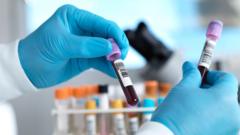
England is poised to become one of the first countries to eliminate hepatitis C, a dangerous virus that attacks the liver, according to recent figures. The goal of treating 80% of all known cases has already been achieved, and deaths from the virus have dropped by 36% over the past decade, falling short of the target required by 2030.
Antiviral tablets can cure over 95% of cases when taken for 8 to 12 weeks. Efforts such as A&E blood tests, GP registration testing, and free at-home tests have helped identify individuals who were previously undiagnosed, according to NHS England. Hepatitis C is transmitted through contact with infected blood, such as sharing needles with an infected person.
The disease often goes unnoticed, with people showing no symptoms until later stages. Without treatment, it can lead to severe and potentially fatal liver damage. Since 2015, over 100,000 people have been diagnosed and treated for hepatitis C in England, indicating progress toward meeting the target. The target of reducing hepatitis C-related mortality by 65% compared to 2015 levels has not yet been met but may be achieved before the 2030 deadline.
Approximately 50,200 adults in England are living with hepatitis C, with 84.6% of them diagnosed, falling just short of the 90% target. Health experts believe England is nearing a significant public health achievement. NHS national medical director, Prof Frankie Swords, stated that England is leading the world in the mission to eliminate hepatitis C and is on track to surpass the WHO's 2030 target.
However, efforts to keep up the momentum and complete the task are ongoing. NHS England urges those at higher risk to get tested, providing free and confidential home-testing kits online. Adults born in certain countries, including Ukraine, Romania, Estonia, Latvia, Poland, Albania, Lithuania, Bulgaria, Czechia, and Slovakia, are particularly encouraged to test due to potential exposure through medical or dental procedures before 1991.
Paul Eatwell, 65, from Blackburn, Lancashire, shares his experience of being diagnosed after a routine blood test. Despite initially doubting the diagnosis, Eatwell received supportive medical care, emphasizing the positive impact it had on his health. The infected blood scandal, which occurred between 1970 and 1991, led to the infection of over 30,000 people in the UK with hepatitis C and HIV through contaminated blood products.
About 3,000 individuals have since died, with more deaths expected. A public inquiry found that authorities covered up the scandal, exposing victims to unacceptable risks.
Written by urgent.news from BBC News's reporting — not their text. Machine-written — may contain errors; check the original before relying on it.
This story
This is one outlet's version. Read the fullest account.
- England set to eliminate hepatitis C myjoyonline.com
- England set to eliminate hepatitis C bbc.co.uk