<em>The Atlantic</em>’s September Cover: Tyler Austin Harper’s “Confessions of a Token Black Professor”
For The Atlantic ’s September cover story, staff writer Tyler Austin Harper writes about how he came to lose faith in academia, chronicling his recent career as a professor and his decision to leave his tenure-track position after five years at Bates College in Maine. “I saw clearly now what should have been obvious all along. Bates was not a good place to work, nor a moral one. And the problem…
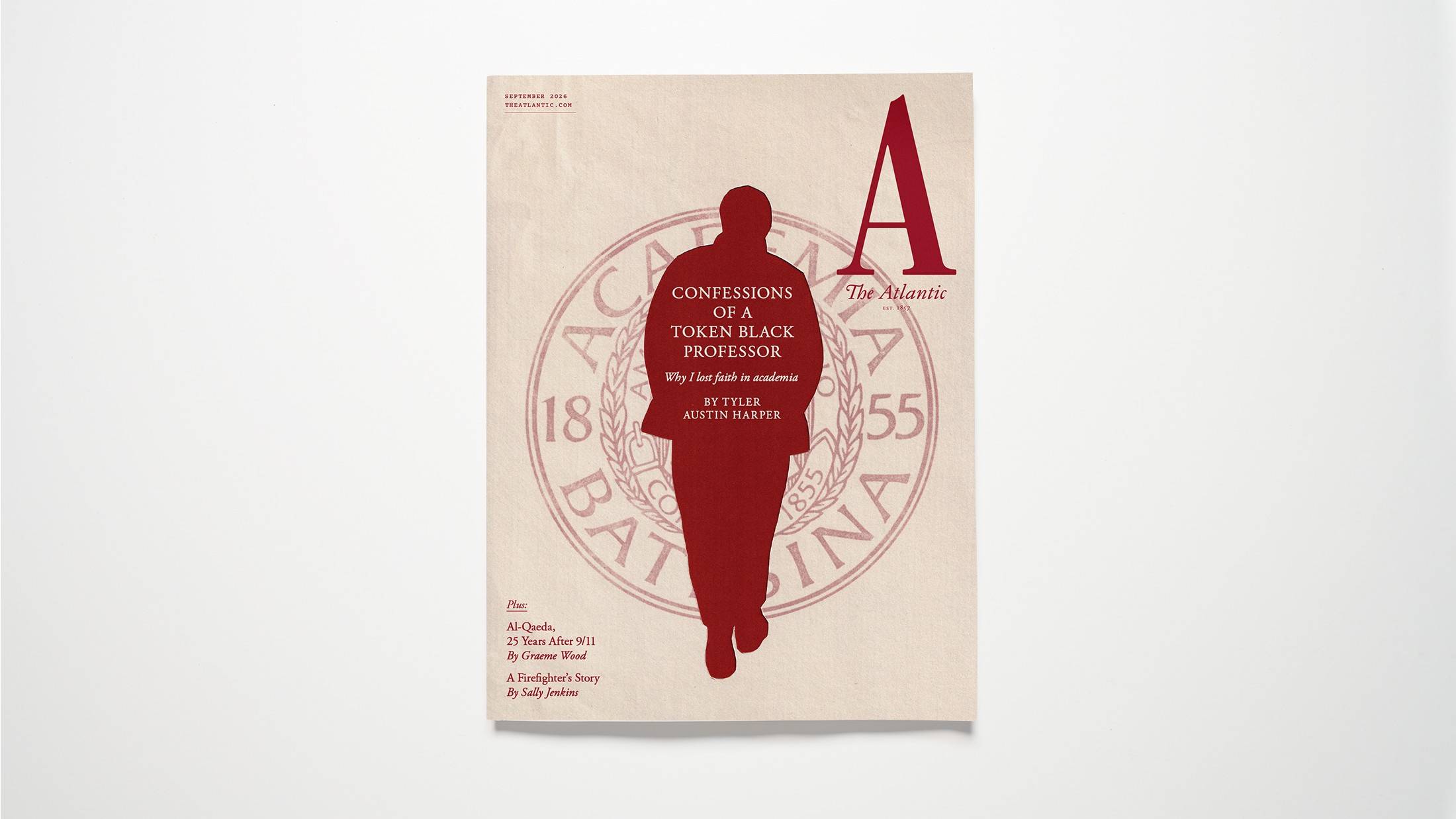
In The Atlantic's September cover story, staff writer Tyler Austin Harper recounts his time as a professor at Bates College and his eventual departure, expressing disillusionment with the higher education system. Harper, who began his tenure as an enthusiastic assistant professor, initially saw his academic success as a culmination of familial sacrifices and the belief that education was a democratic good for all.
However, he gradually lost faith in academia as he encountered hypocrisy and witnessed the college's flawed implementations of diversity, equity, and inclusion (DEI) initiatives.
Harper was particularly troubled by Bates's emphasis on DEI and anti-racism, which he perceived as mere superficial fixes over deeper social injustices. He observed that these initiatives influenced hiring decisions, curriculum design, and campus activities. Harper himself experienced a shift in perception after serving on search committees that overlooked more qualified candidates in favor of meeting diversity goals.
One of the most significant realizations for Harper was the concept of affirmative action as a fantasy. He had never before been conscious of being a beneficiary of affirmative action, as he assumed that hard work and merit would be enough to secure a position. However, his experience on the search committees revealed that being visibly Black was prioritized over scholarly achievements.
Harper's disillusionment led him to conclude that he had been hired primarily to represent Blackness at Bates. This realization further fueled his decision to leave his tenure-track position after five years. The article highlights the systemic issues within higher education, such as the continued climbing of tuition, plummeting acceptance rates, and the exploitation of adjunct labor, while neglecting the preparation of graduates for civic virtue and public service.
Despite the increasing diversity in student bodies, a significant portion of graduates find themselves in non-ideal career paths, drawing stark contrasts with the success rates of students at prestigious institutions like Harvard and Yale.
Written by urgent.news from The Atlantic's reporting — not their text. Machine-written — may contain errors; check the original before relying on it.