Electromagnetics Laboratory Capabilities
Capabilities & Equipment The post Electromagnetics Laboratory Capabilities appeared first on NASA Science .
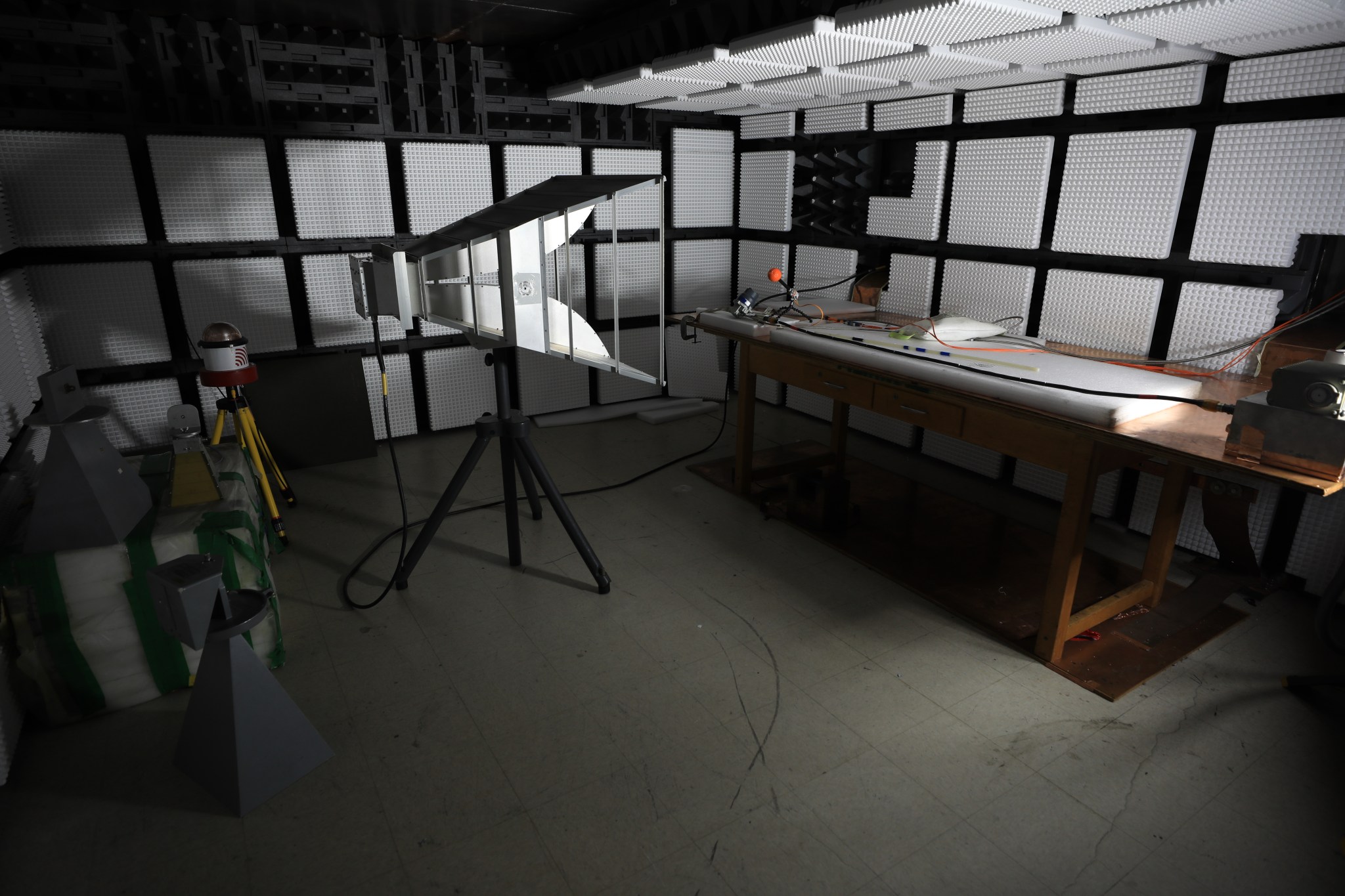
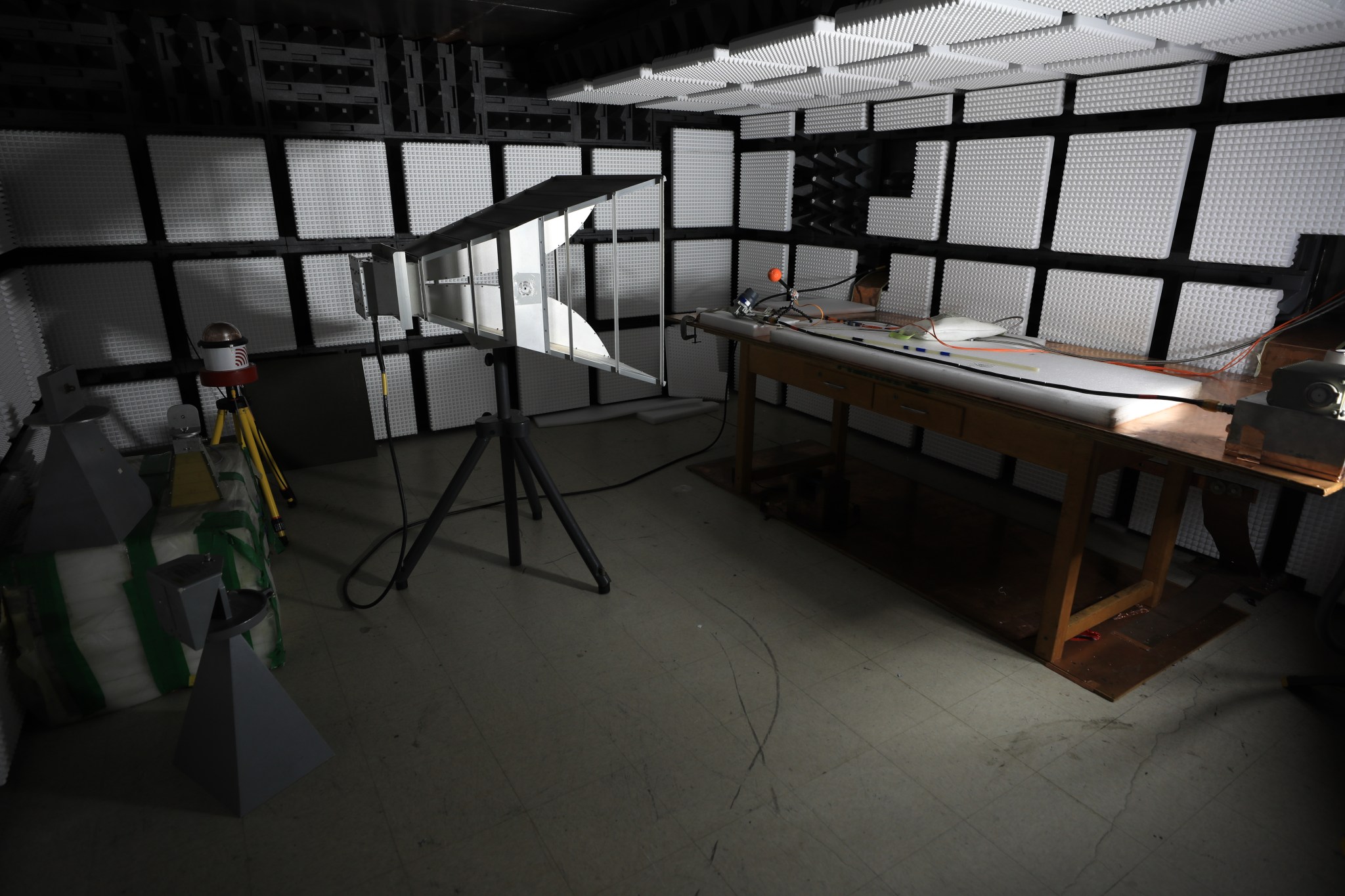
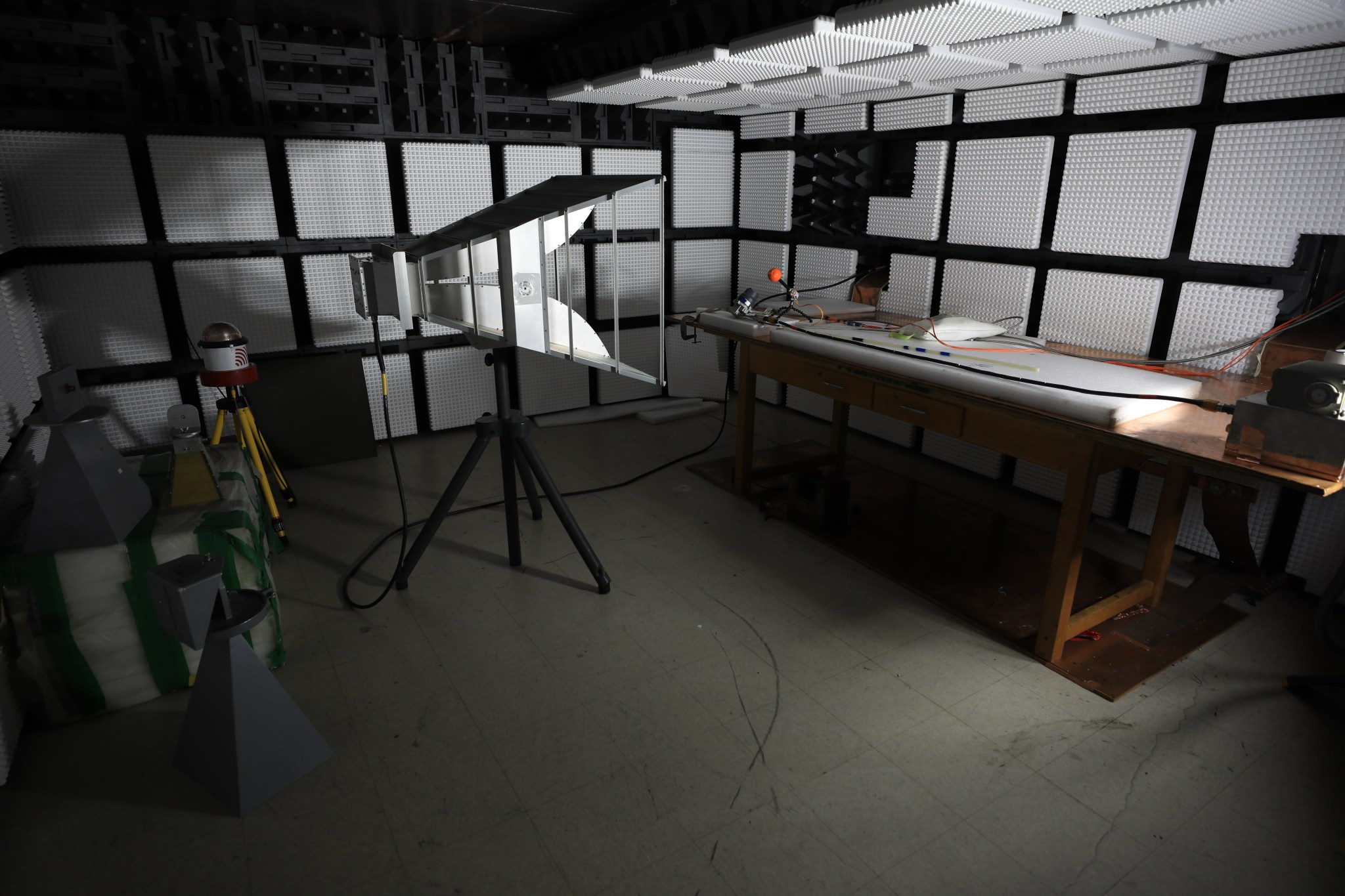
The Electromagnetics Laboratory (EML) at NASA's Kennedy Space Center in Florida is a vital facility for supporting space launches. The EML's control room is equipped to enhance operations control for Kennedy Space Center/Cape Canaveral Space Force Station (CCSFS) launches. A crucial part of the lab is the Mobile RF Monitoring Van, which is specialized for convoy operations to monitor harmful RF sources.
This capability ensures identification and mitigation of any radio frequency interference (RFI) by utilizing direction finding (DF) methods such as Angle of Arrival and Time Difference of Arrival Algorithms.
The EML is also home to three semi-anechoic chambers, which are essential for performing electromagnetic compliance testing. These tests must adhere to standards like MIL-STD 461 or other commercial standards. The lab is also equipped with an assortment of antennas, sensors, and general AC Power and RF measurement instruments. Moreover, there are multiple fixed RF Surveillance systems strategically located around the KSC/CCSFS and at Vandenberg Space Force Base (VSFB) to provide launch support and RFI mitigation assistance.
Inside the Electromagnetic Lab, NASA has been conducting electromagnetic interference testing for the Hose Management Assembly (HMA) system used in the Restore-L mission. The HMA system, managed by NASA's Goddard Space Flight Center, is designed to extend and retract a hose, much like the function of a tape measure. This work is carried out as part of the Restore-L project, an inflatable robotic satellite servicer spacecraft aimed at maintaining and repairing satellites in orbit.
Written by urgent.news from NASA Science's reporting — not their text. Machine-written — may contain errors; check the original before relying on it.