Despite recent monsoon revival, why El Niño fears are not over yet
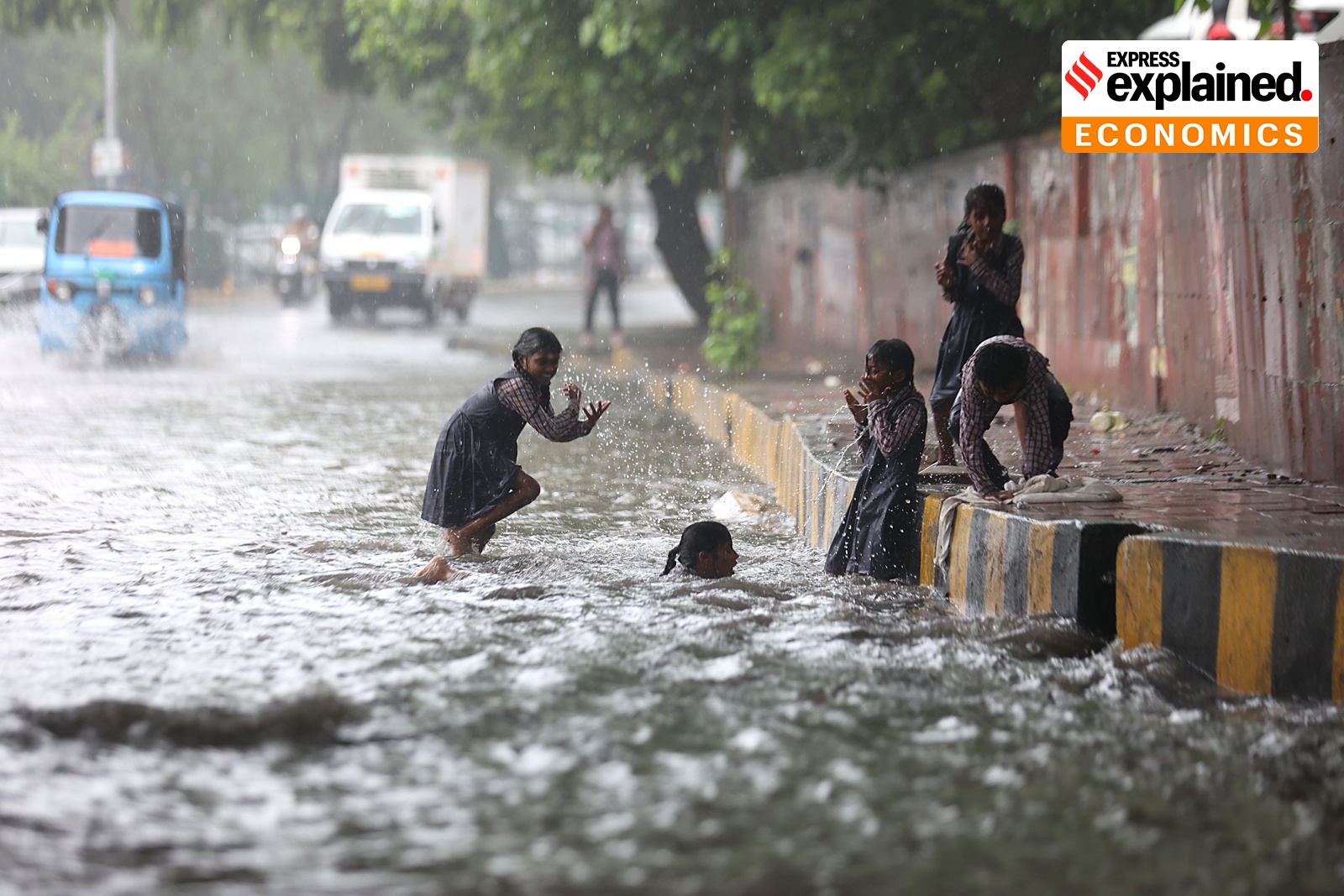
Despite a recent revival of the Southwest monsoon, experts fear that El Niño will still have a significant impact on India's agriculture. The latest data from India's Agriculture Ministry shows that the area sown under kharif crops in the current season was just 20.8% below the same period last year. This lag in sowing was largely due to a poor start to the monsoon season, with rainfall during June being 38% below the long-period average.
June is typically a crucial month for monsoon rains, with three low-pressure systems usually forming over the country. However, this June saw no such systems, making it the sixth driest June in India since 1901.
The monsoon situation improved in July, with El Niño intensifying to a moderate-to-strong phase. Despite this, the month recorded four low-pressure systems, compared to the normal three. This led to increased rainfall and helped boost kharif sowings, with 894.22 lakh hectares area being covered by the end of the month. While the cumulative sowing gap has reduced for pulses and cotton, it has increased for oilseeds, particularly groundnut and sesamum.
While the situation for kharif crops is improving, the real challenge lies ahead. The IMD predicts that another low-pressure system will form in the Bay of Bengal around August 13, which could sustain the monsoon until the third week of the month. However, the uncertainty remains over what will happen after that. Global weather agencies expect sea surface temperatures in the Pacific Ocean to continue rising, potentially leading to a "very strong" El Niño event during October-December.
This could have significant implications for the rabi or winter-spring crops, which are often negatively impacted by El Niño-induced temperature rises.
Written by urgent.news from The Indian Express's reporting — not their text. Machine-written — may contain errors; check the original before relying on it.