COURTING INVESTORS: Cape Town’s built-for-business push — from tourism to global investment
The City prioritises ease of doing business, fast-tracking permits and licences, and courting global investors, while a R120bn, 10-year infrastructure plan involves acute socioeconomic trade-offs.
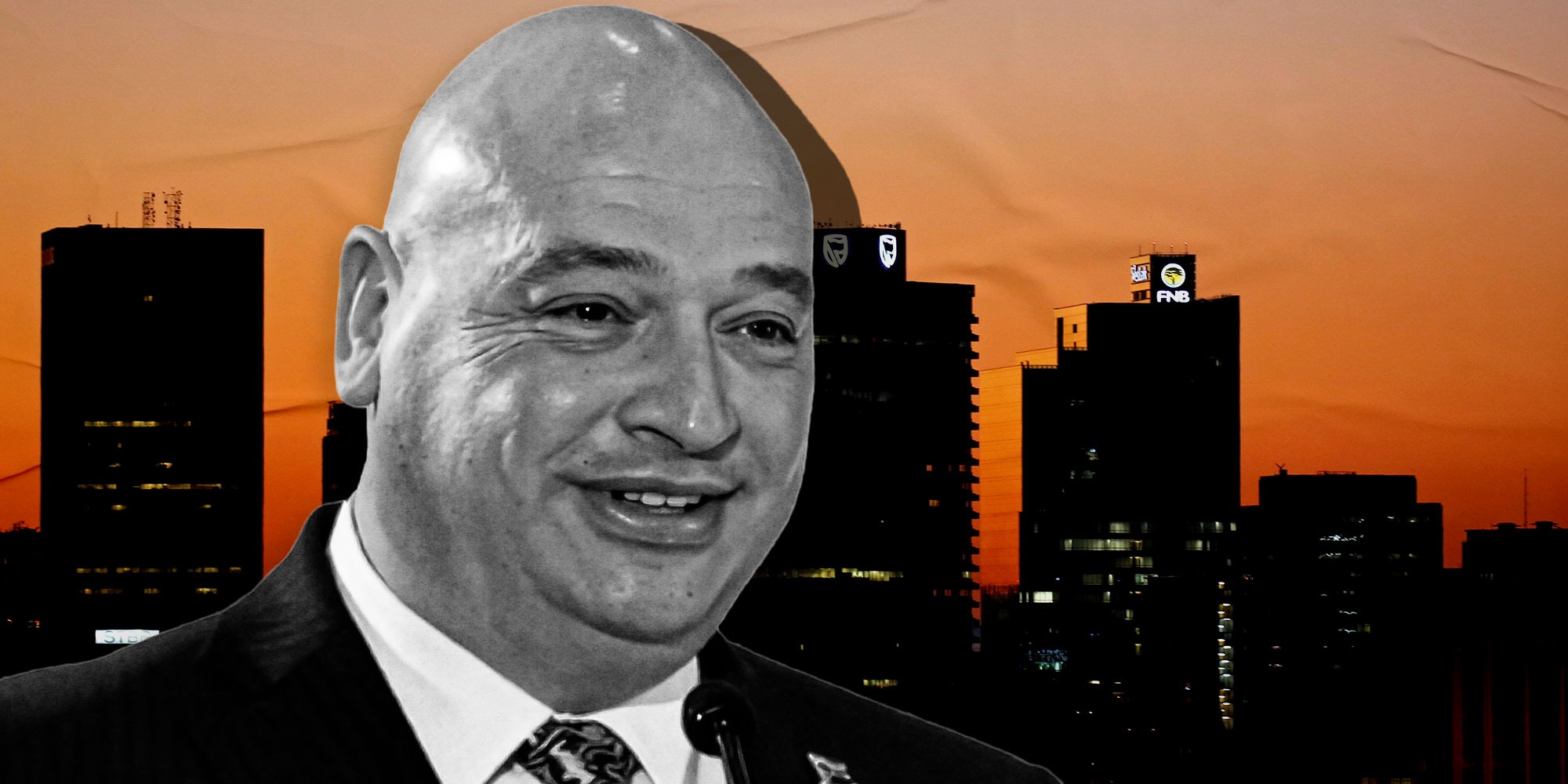
Cape Town is actively positioning itself as a global business hub, shifting its focus from tourism to attracting significant investment. The city's mayoral committee member for economic growth, Alderman James Vos, emphasizes the importance of ease of doing business, citing faster permits and streamlined licensing processes. In an effort to maintain investor confidence, the City has implemented a R120-billion, 10-year infrastructure plan, with 40% allocated to climate resilience projects.
However, this ambitious infrastructure development comes with financial challenges. The City has had to raise rates and service charges by 8.7% to fund the projects and maintain fiscal stability. Mayor Geordin Hill-Lewis acknowledges the trade-offs, stating that "of course, while such infrastructure investment is both critically important and urgent, it also comes at a significant cost."
The administration has launched a new AI-powered investment concierge, Maya, to assist global investors in navigating municipal approvals and identifying opportunities. While the campaign touts Cape Town as a prime business destination, data reveals deep-seated structural issues such as high unemployment in the informal sector and a significant housing backlog.
Despite these challenges, the city has successfully facilitated nearly R16-billion worth of new investments through partnerships with private enterprises. However, the spatial legacy of apartheid continues to impact the metropolitan economy, making it difficult for lower-income households to transition into higher-paying jobs in multinational sectors.
Written by urgent.news from Daily Maverick's reporting — not their text. Machine-written — may contain errors; check the original before relying on it.