Congo’s Ebola outbreak started months before official declaration: WHO
The WHO regional director for Africa, Dr. Mohamed Yakub Janabi, said sequencing indicated the outbreak’s start, with some cases early wrongly attributing to malaria and typhoid.
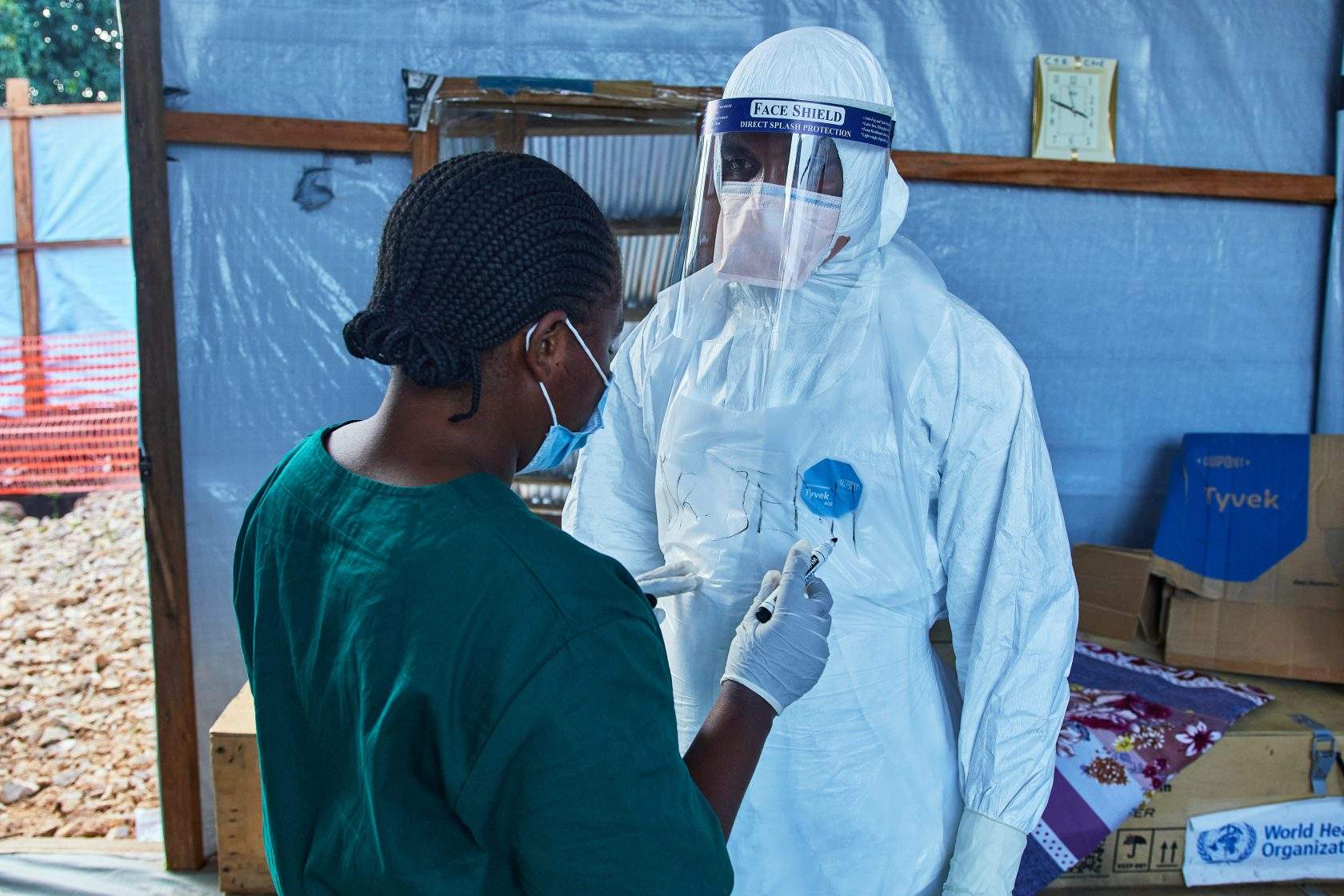
The fastest-growing Ebola outbreak on record began in February, according to the World Health Organization (WHO), months ahead of its official declaration in mid-May, the organization announced on Monday. Dr. Mohamed Yakub Janabi, WHO's regional director for Africa, stated during a press conference that sequencing data confirmed the outbreak's start, noting that some early cases were mistakenly diagnosed as malaria and typhoid.
As of the latest government figures, the outbreak has resulted in 4,200 confirmed cases and over 1,900 deaths. What sets this outbreak apart is that the Bundibugyo virus responsible has no authorized vaccines or treatments, leading to significant delays in early testing when the more common form of Ebola was being investigated. The outbreak is occurring in some of the most challenging circumstances, with unpaid health workers on strike, rebel groups threatening their safety, community anger, and misinformation suggesting Ebola is not a real threat.
Healthcare teams navigate remote, unpaved roads, facing shortages of protective gear, while a large displaced population struggles to access clean water for hygiene. This outbreak has resulted in more fatalities in a shorter timeframe than any other, surpassing the 2014-2016 West African outbreak, which took eight months to reach 1,000 deaths.
Ebola is a highly contagious disease that can be transmitted through bodily fluids, contaminated surfaces, and materials, causing severe and often fatal symptoms. WHO Director-General Tedros Adhanom Ghebreyesus recently stated that Ebola is spreading faster than efforts to combat it, with new cases doubling in some hotspots. Health authorities report that 60 to 70 percent of new cases are recorded outside of monitored contacts, describing the outbreak as "alarming."
Access to healthcare in the region has been further complicated by years of rebel conflict in one of Congo's most remote and vulnerable areas, near the borders of South Sudan, Uganda, and Rwanda. Some pregnant women and others are now avoiding health centers due to fears of contracting the virus, jeopardizing their health. Previous Ebola outbreaks have also been declared weeks or months late, including the 2014-2016 West African outbreak, which was declared in March 2014 despite the first human case being found in December 2013.
Written by urgent.news from Global News's reporting — not their text. Machine-written — may contain errors; check the original before relying on it.
This story
This is one outlet's version. Read the fullest account.