China, India and Pakistan’s dangerous nuclear triangle just became more complicated
The China-India-Pakistan triangle has never been short on danger, but Islamabad’s new defensive alliance has added another variable to an already volatile situation. Last week, Pakistan, Turkey and Saudi Arabia signed a pact in Mecca in which they agreed to treat an armed attack on one as an attack on all. The three governments have described it as defensive and not directed at any particular…
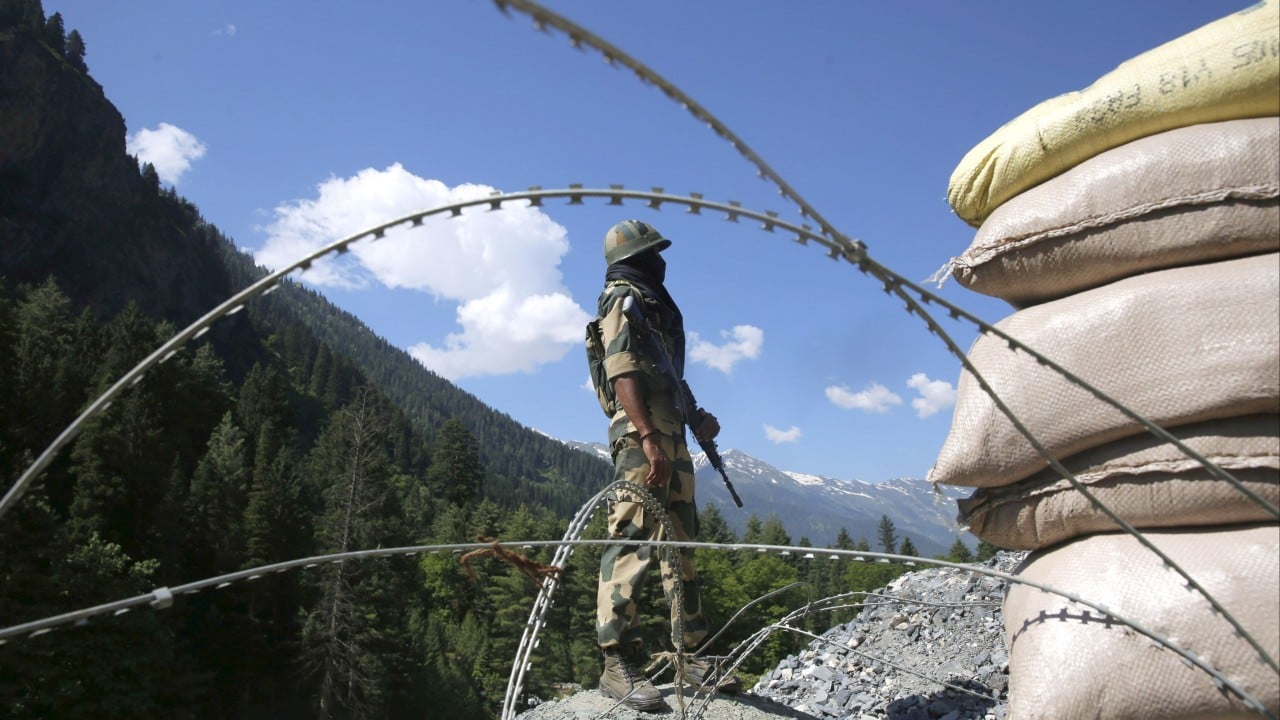
The China-India-Pakistan "nuclear triangle" has long been fraught with danger, but a new defensive alliance involving Pakistan, Turkey, and Saudi Arabia has added yet another layer of complexity to an already volatile situation. Last week, the three nations signed a pact in Mecca, agreeing to treat an armed attack on one as an attack on all.
While the pact's signatories described it as defensive and not directed at any particular state, analysts believe its importance for India stretches beyond whether it would be invoked. Instead, the pact could alter Pakistan's strategic position and the balance between the three nuclear powers. With Pakistan gaining a formal security framework with two states possessing deep financial resources, technology, and diplomatic influence, India now faces a higher political and security profile of its neighbour.
This development could embolden Pakistan to pursue combative diplomacy against India and take risks on the terrorism front.
Written by urgent.news from Reuters Business via SCMP's reporting — not their text. Machine-written — may contain errors; check the original before relying on it.
This story
This is one outlet's version. Read the fullest account.