Can Asean decarbonise without nuclear power?
As demand for electricity continues to grow, relying on a single technology is unlikely to provide the resilience, affordability, and reliability that future power systems require.
The International Energy Agency forecasts a 25% increase in Southeast Asia's energy demand by 2035, as economic growth and rising electricity consumption place greater strain on governments to balance energy security, affordability, and sustainability. Eight Asean nations have pledged to reach net zero emissions in the coming decades, presenting a challenge in meeting these objectives without nuclear power.
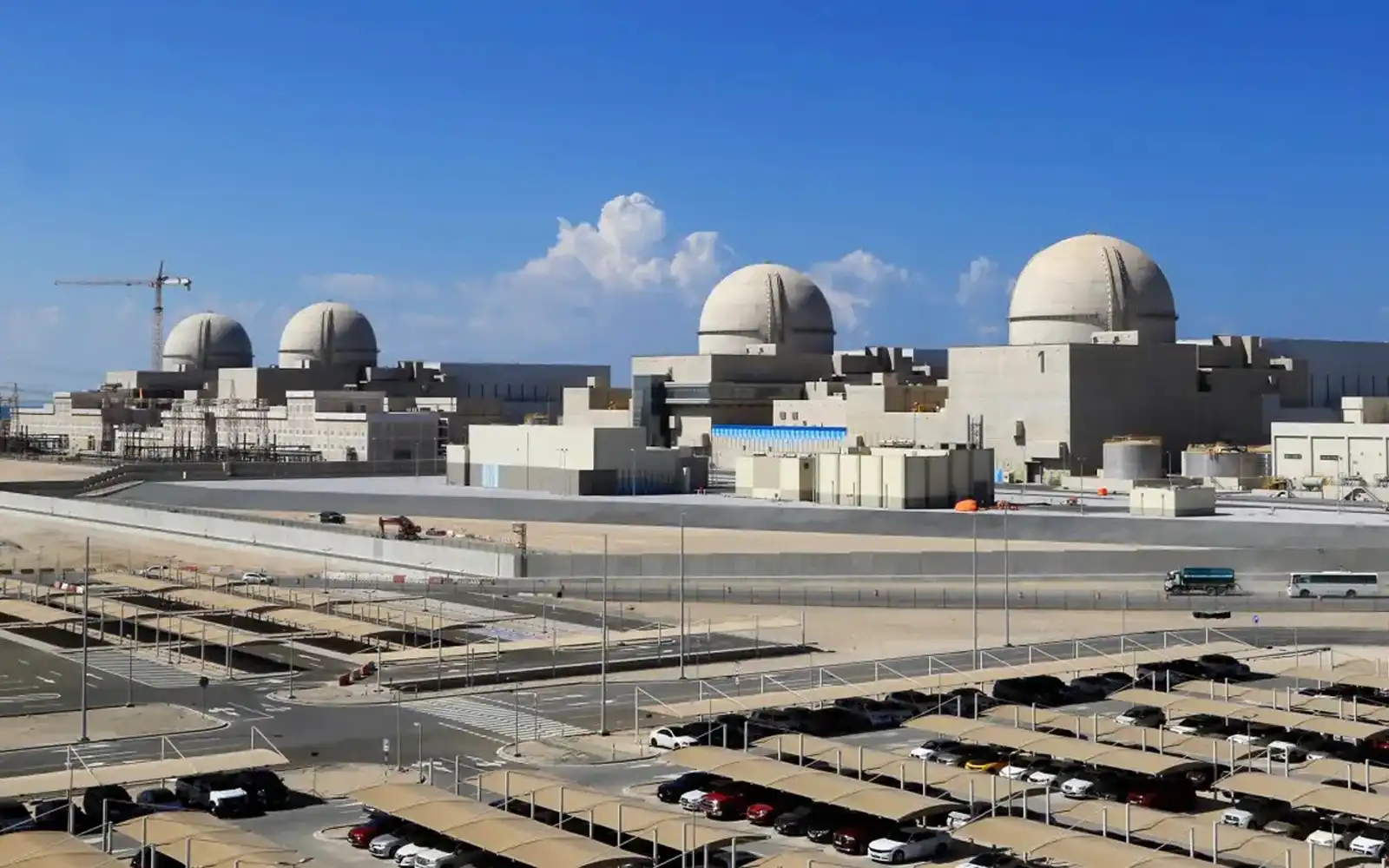
Renewable energy remains crucial for Asean's energy transition, but its ability to deliver the required scale, reliability, and system stability is questioned. Several Asean countries are considering nuclear energy as part of their decarbonisation strategy, with Vietnam, Indonesia, and the Philippines planning nuclear power plants.
Malaysia, under the 13th Malaysia Plan, intends to explore nuclear energy as part of its long-term low-carbon electricity strategy. MyPower Corporation, designated as the Nuclear Energy Programme Implementing Organisation (NEPIO), is leading Malaysia's exploration of nuclear energy. The studies aim to assess Malaysia's preparedness for nuclear energy, considering institutional, regulatory, technical, and human capital dimensions.
Malaysia currently relies heavily on fossil fuels, with 80% from coal and natural gas, while renewable energy accounts for 20%. The government's commitment to phase out coal-fired power plants by 2044 necessitates a replacement for dependable baseload generation. Renewable energy will play a vital role, but high variable renewable penetration presents challenges in maintaining grid stability.
Nuclear energy can complement renewable energy, enabling decarbonisation while maintaining a dependable supply. The UK's continued reliance on nuclear energy, despite substantial renewable energy deployment, exemplifies its value in energy security and system reliability. Rather than choosing between nuclear and renewable energy, Asean's decarbonisation ambitions will require a combination of both technologies.
Written by urgent.news from Free Malaysia Today's reporting — not their text. Machine-written — may contain errors; check the original before relying on it.
This story
This is one outlet's version. Read the fullest account.
- Can Asean decarbonise without nuclear power? freemalaysiatoday.com