Brief relief ahead of fifth heatwave - as more areas could move into drought
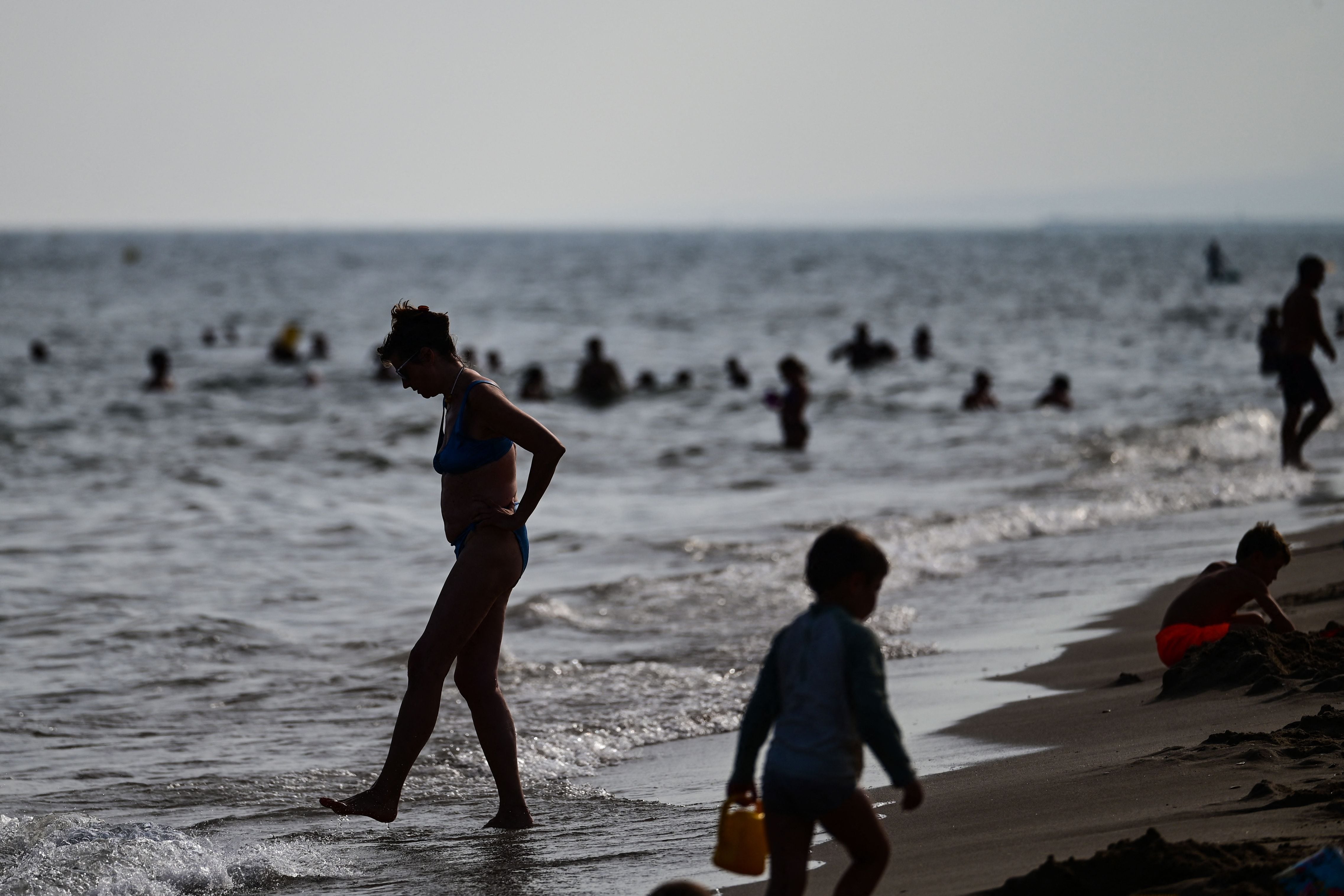
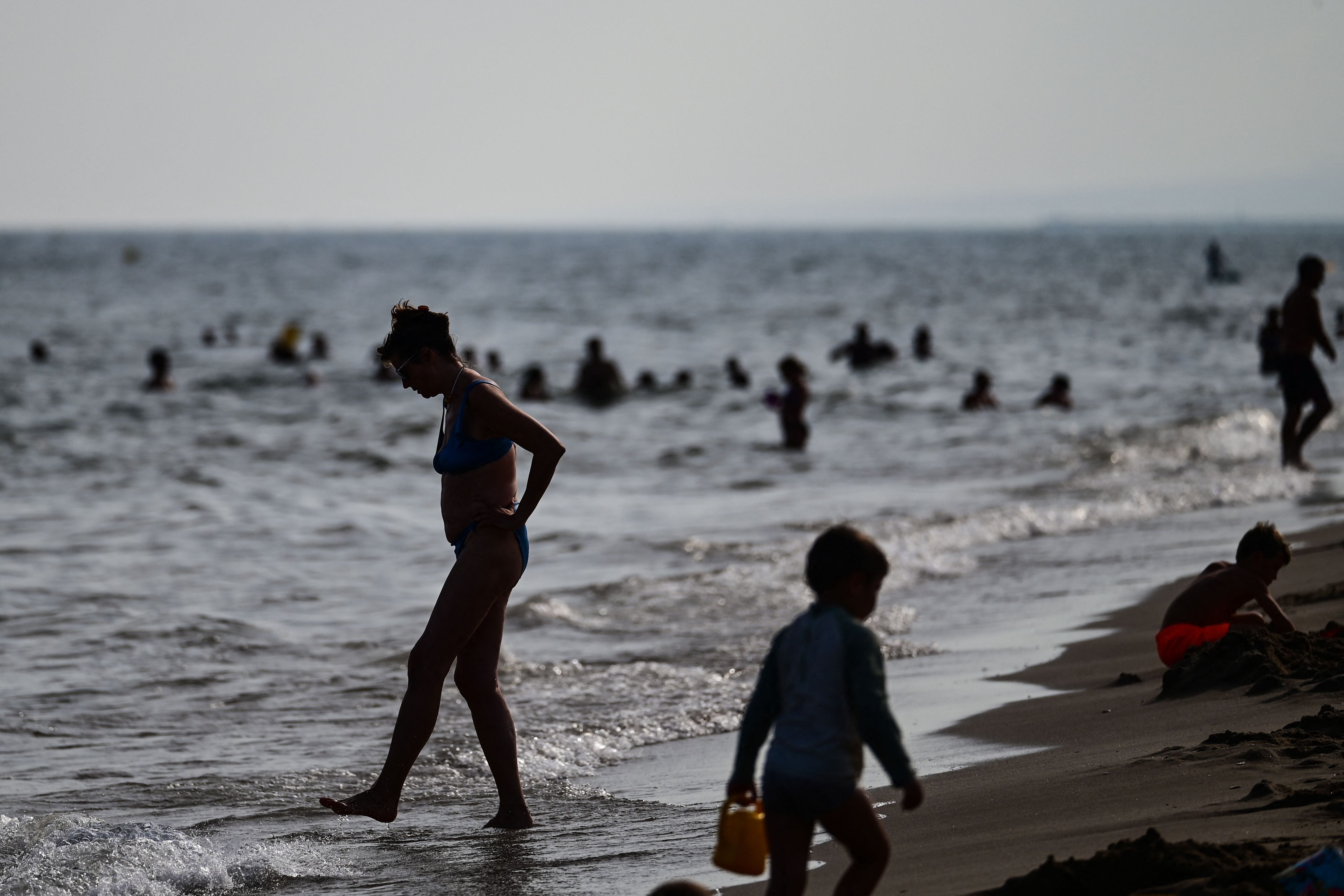
While Monday won't be quite as hot as the weekend, temperatures will ramp up ahead of the fifth widespread heatwave of the year.

A break from intense heat will arrive on Monday, marking the fifth heatwave of the year across England and Wales. The week will remain mostly dry, with some areas in southern England experiencing nearly two months without significant rain. The National Drought Group will meet on Monday to determine if additional regions should be declared in drought due to the ongoing dry weather and high demand for water supplies.
23 million people are already facing hosepipe bans, and half of England and the entire of Wales are officially in drought. The Environment Agency suggests that more areas may enter drought status due to the persistent lack of rainfall. River levels have dropped after less than 10mm of rain across England for seven consecutive weeks, with reservoirs in most of England below normal and five classified as exceptionally low.
Wisley in Surrey has gone without rain for over 50 days, while southern England approaches two months without notable rainfall. However, north-west Scotland received over half a month's worth of rainfall in just two days. Temperatures will feel a bit cooler on Monday, with northern areas reaching 18 to 24C and southern areas around 22 to 27C.
However, by Tuesday, warmer air will return, with the highest temperatures expected in central southern England, the Midlands, and east Wales. Yellow heat-health alerts remain in force until 9 PM BST on Tuesday, but they may be extended or upgraded as the heatwave intensifies. Temperatures across England and Wales will soar into the high twenties and low thirties by Wednesday, peaking at 36C in south-east England on Thursday, marking a new record for the UK.
Some locations will exceed their heatwave threshold for the first time, and the warmth will spread further north into northern England, Scotland, and Northern Ireland. Overnight temperatures will remain relatively high, causing uncomfortable nights for sleeping.
Written by urgent.news from BBC News's reporting — not their text. Machine-written — may contain errors; check the original before relying on it.