Brazil central bank eyes expansion for Pix payment system as US trade scrutiny intensifies
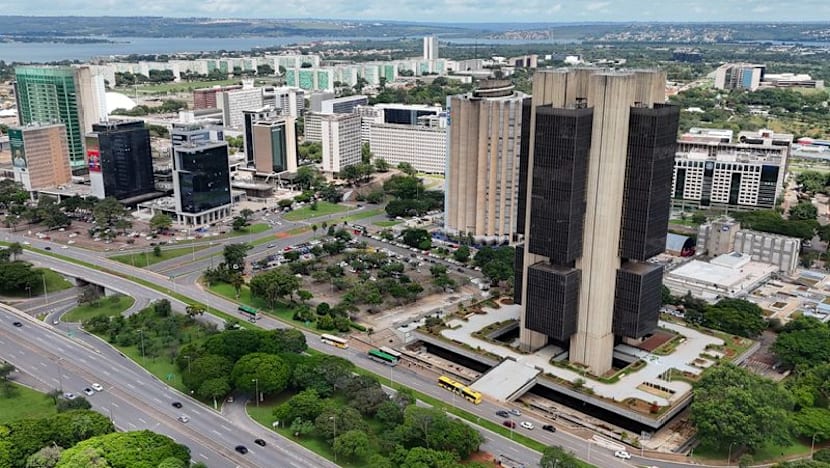
The Brazilian central bank is exploring connections between its popular instant payment system, Pix, and similar platforms abroad, in a bid to bolster cross-border integration as the system faces increased scrutiny from the United States. In a more recent report on Pix, the central bank stated that linking instant payment systems could reduce costs, expedite transactions, widen access, and enhance transparency in international payments.
This is a significant shift from the regulator's earlier stance, which merely suggested that Pix might one day be integrated with international instant-payment systems.
The central bank has been in dialogue with 65 foreign counterparts regarding Pix, spanning countries such as Germany, Canada, South Africa, and Turkey. These information-sharing agreements have been instrumental in facilitating Pix's growth as the go-to electronic payment system in Brazil, enabling real-time transfers through mobile banking apps. Pix not only offers free person-to-person payments but also provides merchants with significantly lower transaction costs by circumventing the conventional card-payment process.
Since its inception in late 2020, Pix has revolutionized Brazil's payments ecosystem, attracting millions of users and gradually diminishing the usage of debit and credit cards. This shift has had a ripple effect on global card networks like Mastercard and Visa. However, the system has drawn the attention of the U.S. administration, which cited Pix in a trade investigation that concluded in July.
The investigation raised concerns over the central bank's dual role as operator and regulator, leading to the imposition of an additional 25% tariff on Brazilian imports.
Despite the challenges posed by U.S. trade scrutiny, the central bank remains committed to Pix's role as a critical public digital infrastructure. Pix transactions increased by 25.7% in 2025 compared to the previous year, reaching nearly 80 billion, with volumes surpassing 35 trillion reais ($6.87 trillion). Notably, consumer-to-business payments accounted for 43% of all Pix transactions last year, up from 6% in 2020, highlighting the system's transformation into a dominant retail payment method.
Written by urgent.news from Channel News Asia's reporting — not their text. Machine-written — may contain errors; check the original before relying on it.