Boston’s Big Dig soil helped turn a burning dump island into a park
Boston’s massive Big Dig project produced more than 16 million cubic yards of soil, and nearly a quarter of it was sent to Spectacle Island in Boston Harbor. The island was once a city dump where methane gas caused underground fires. The soil helped cap the old landfill, reshape the island and support a long restoration effort that brought back trees, plants, birds and other wildlife.
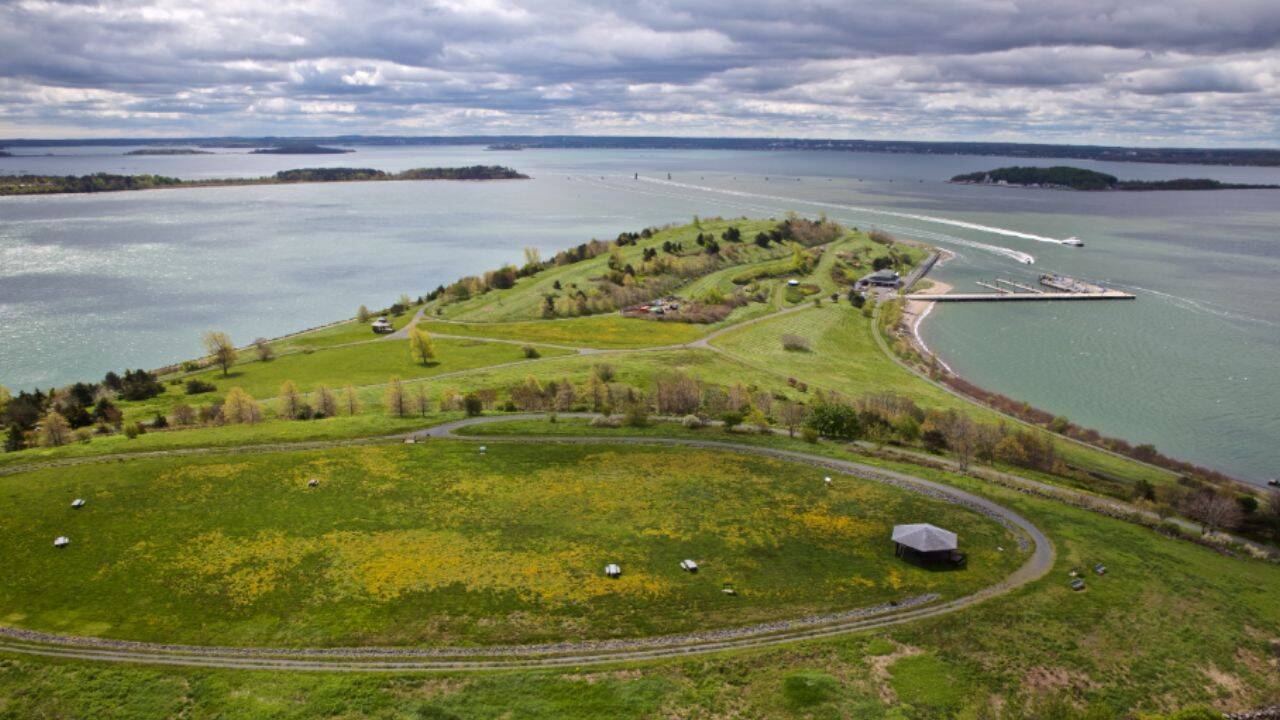
Boston's Big Dig, a massive infrastructure project launched in 1991, transformed one of the city's most notorious areas - Spectacle Island in Boston Harbor - from a city dump to a thriving park. To complete the project, over 16 million cubic yards of soil had to be excavated, creating a major problem of disposal.
City officials chose Spectacle Island to receive a significant portion of this soil, which helped change the island's shape and played a major role in its environmental restoration. Approximately 25% of the Big Dig's excavated soil went to the island.
The soil was utilized in a process known as capping, where it was layered over the former dump to cover and seal it. A half-meter layer of clay was placed first, followed by 2 to 5 feet of topsoil. This new material altered the island's landscape, making the north drumlin the highest point in Boston Harbor.
To reintroduce vegetation to the island without damaging the landfill seal, workers planted shallow-rooted trees over 15 years, gradually restoring the natural ecosystem. Over 2,400 trees and 26,000 shrubs were planted, attracting various bird species such as osprey, mockingbirds, red-tailed hawks, redwing blackbirds, and turkeys.
Flowering plants created habitats for pollinators like bees, butterflies, and small mammals like coyotes, deer, and raccoons. The transformation of Spectacle Island from an old dump to a wildlife-filled park is just one of the many positive outcomes of the Boston's Big Dig project. Additionally, the project has reduced carbon emissions in the city by 12%, as the new highway system has replaced traffic congestion with moving cars.
Written by urgent.news from Times of India's reporting — not their text. Machine-written — may contain errors; check the original before relying on it.