BOK's collateral policy criticized for favoring high-carbon assets
A new study has accused the Bank of Korea (BOK)'s collateral system of favoring high-carbon assets over green bonds, arguing that the framework could effectively provide an "implicit subsidy" to fossil fuel and other carbon-intensive industries. The study, released Monday by London-based nonprofit Positive Money and Seoul-based Institute for Green Transformation (IGT), found that 53 percent of…
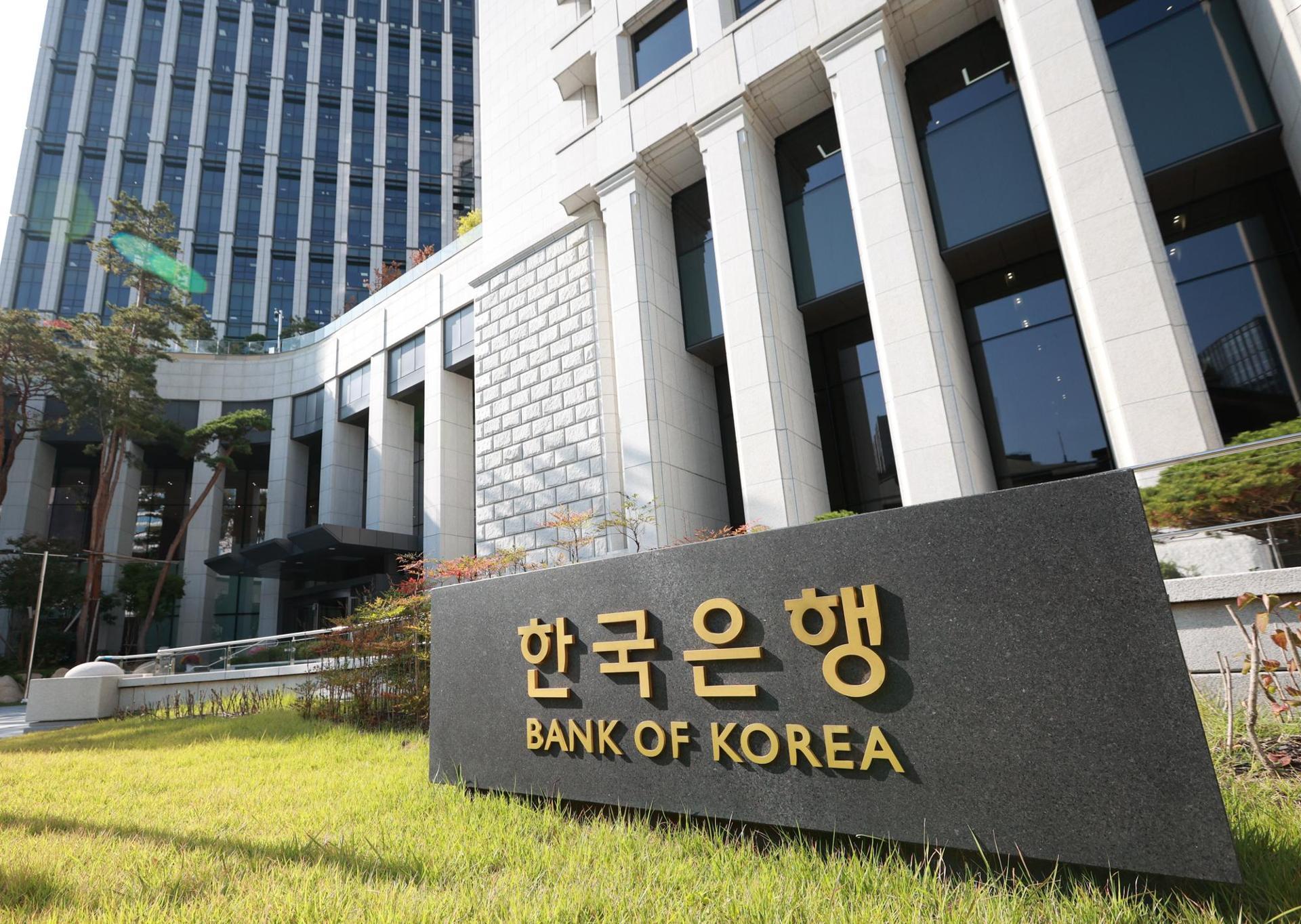
A new report has cast doubt on the Bank of Korea's collateral policy, alleging it promotes high-carbon assets over environmentally friendly bonds. According to a study by Positive Money of London and the Institute for Green Transformation of Seoul, 53% of corporate and public bonds deemed collateral by the BOK in 2025 were tied to fossil fuel and other high-emission industries, with green bonds representing only about 2%.
The investigation, based on 1,368 bonds from BOK data obtained via Rep. Jung Tae-ho of the Democratic Party of Korea, revealed that green bonds faced an average haircut of 8.7% in 2025, significantly higher than their non-green counterparts.
Written by urgent.news from The Korea Times's reporting — not their text. Machine-written — may contain errors; check the original before relying on it.
Also reported by 1 other outlet
- BOK's collateral policy criticized for favoring high-carbon assets koreatimes.co.kr