As mainland China tightens its tax rules, can Hong Kong remain a magnet for billionaires?
For decades, Hong Kong has been a magnet for the rich. From wealthy Chinese setting up family trusts to millionaires migrating from across Southeast Asia, all of them have been sucked in by the city’s promise of free capital flows, a trustworthy legal system and extensive financial expertise. It is a winning combination that helped Hong Kong leapfrog Switzerland as the world’s biggest…
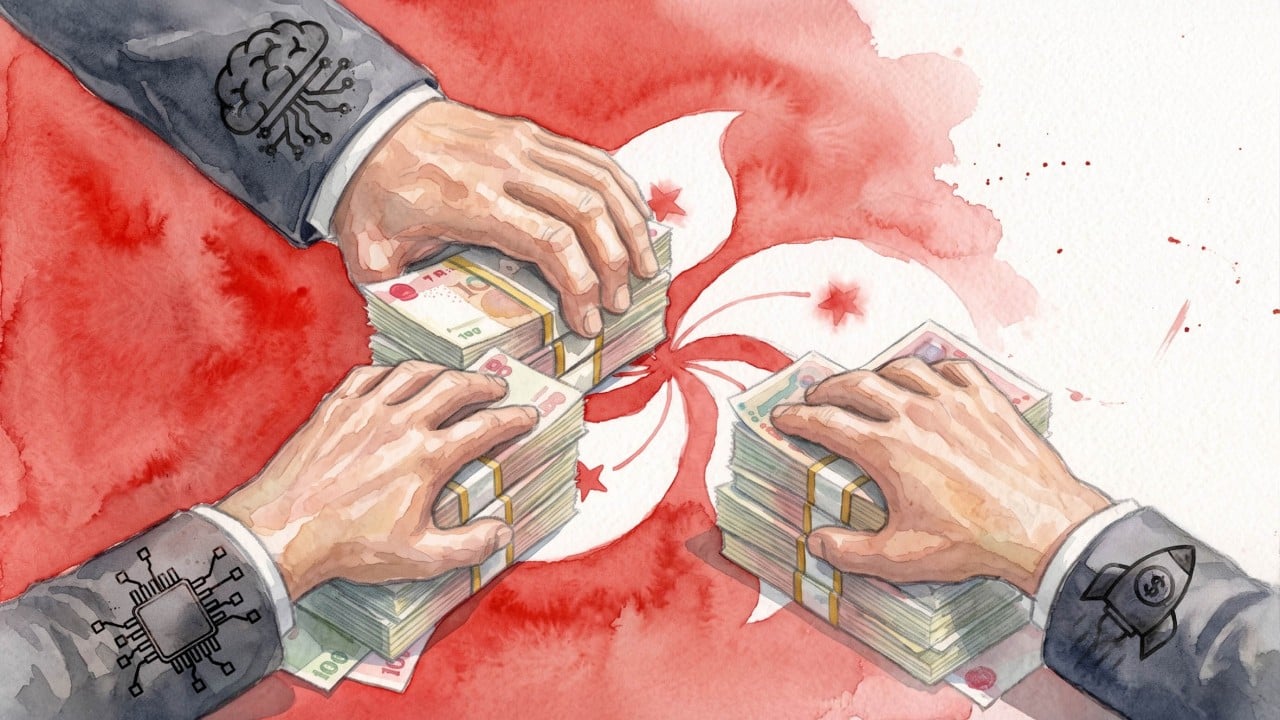
For years, Hong Kong has drawn wealthy individuals, from Chinese families to international millionaires, who were attracted by the city’s favorable financial environment. This setup contributed to Hong Kong overtaking Switzerland as the world’s leading hub for cross-border wealth management last year, thanks to a surge in Chinese tech company listings.
However, recent actions by Beijing have raised concerns about the sustainability of this model. Beijing has been tightening its grip on cross-border financial flows to curb tax avoidance and capital flight. High-profile brokerages have faced penalties for aiding mainland investors in illicit stock purchases, while banks have intensified scrutiny of mainland customers seeking to establish Hong Kong accounts.
A significant development came in July when Beijing announced that offshore trusts would be subject to the personal income tax, closing a loophole that had enabled wealthy Chinese families to shield substantial income from taxation. In Hong Kong, there is apprehension that these new regulations might disrupt or redirect capital flows into the city’s wealth management industry.
Despite these concerns, experts believe that the city could ultimately benefit in the long run. Tian Xuan, the dean of Peking University’s Guanghua School of Management, noted that in the short term, some mainland investors may adopt a cautious approach. Nonetheless, Hong Kong’s competitive edge will lie in its ability to comply with regulations and its robust professional services, rather than solely relying on its tax haven status.
Hong Kong’s Private Wealth Management Association emphasized that the new offshore trust tax rules offer regulatory clarity, which will strengthen the industry’s long-term credibility. Over the past year, Hong Kong’s cross-border wealth grew by more than 10%, reaching US$2.95 trillion, primarily driven by Chinese investments.
Hong Kong’s appeal lies in its role as a gateway to global markets for Chinese wealth, with more than 60% of assets under management originating from the mainland. The city currently hosts 76 billionaires with a combined wealth of US$328 billion, while mainland China has 470 billionaires with a combined worth of US$1.77 trillion.
While the new tax rules may complicate the wealth transfer process for the next generation of Chinese entrepreneurs over the next 15 years, Hong Kong’s wealth management industry is set to grow as more wealth is handed down from one generation to the next. The tax crackdown, however, poses a challenge for Chinese billionaires who often hold assets in offshore trusts to minimize tax liabilities.
Written by urgent.news from South China Morning Post - Hong Kong's reporting — not their text. Machine-written — may contain errors; check the original before relying on it.
This story
This is one outlet's version. Read the fullest account.