As datacenters expand, so does public opposition to them
Bans on new server farm projects spread across the US, while plans meet with protests in the UK
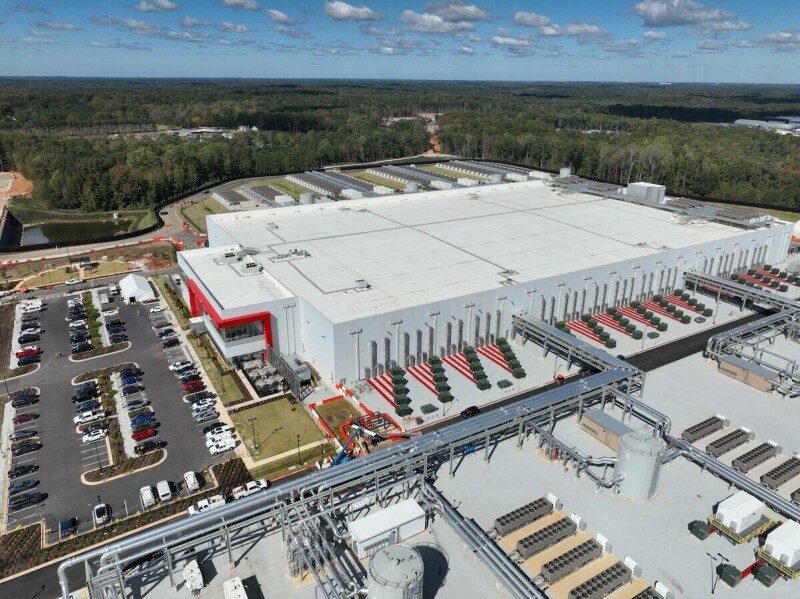
Datacenters are facing increasing public opposition in the United States and the United Kingdom, according to recent developments. In the US, more than 200 datacenter bans and moratoriums were enacted in the past 30 days, with a total of over 550 restrictions active nationwide. New York became the first state to implement a moratorium due to concerns over utility rates and public health impacts.
In Texas, Governor Greg Abbott recently paused approvals for datacenter projects seeking access to the Electric Reliability Council of Texas (ERCOT) grid until state regulators audit their connection requests.
Public sentiment against datacenters has also been rising in the UK, with protests occurring against a planned facility in London's historic Brick Lane. A Gallup survey revealed that a majority of Americans now oppose the construction of datacenters in their area, with some expressing such strong opposition that they would prefer a nuclear power plant be built instead.
President Trump's stance on the issue is divided; while he expanded his Ratepayer Protection Pledge to protect consumers from price hikes due to datacenter energy and grid infrastructure needs, he also defended Texas's decision to pause approvals, claiming the tax revenue generated by datacenters would lead to lower taxes overall.
The UK government supports the development of new datacenters as part of its AI industry growth ambitions, with the unveiling of its AI Opportunities Action Plan last year. However, protests against a proposed datacenter in London's Brick Lane area prevented the council from approving the application within the required period. Despite local opposition, the government allowed all four appeals following a public inquiry, finding that the proposals align with existing development plans and minimally affect heritage assets.
Written by urgent.news from The Register's reporting — not their text. Machine-written — may contain errors; check the original before relying on it.
Also reported by 1 other outlet
- As datacenters expand, so does public opposition to them theregister.com