Analysis-How the hard reality of climate change hit Europe’s economy this summer
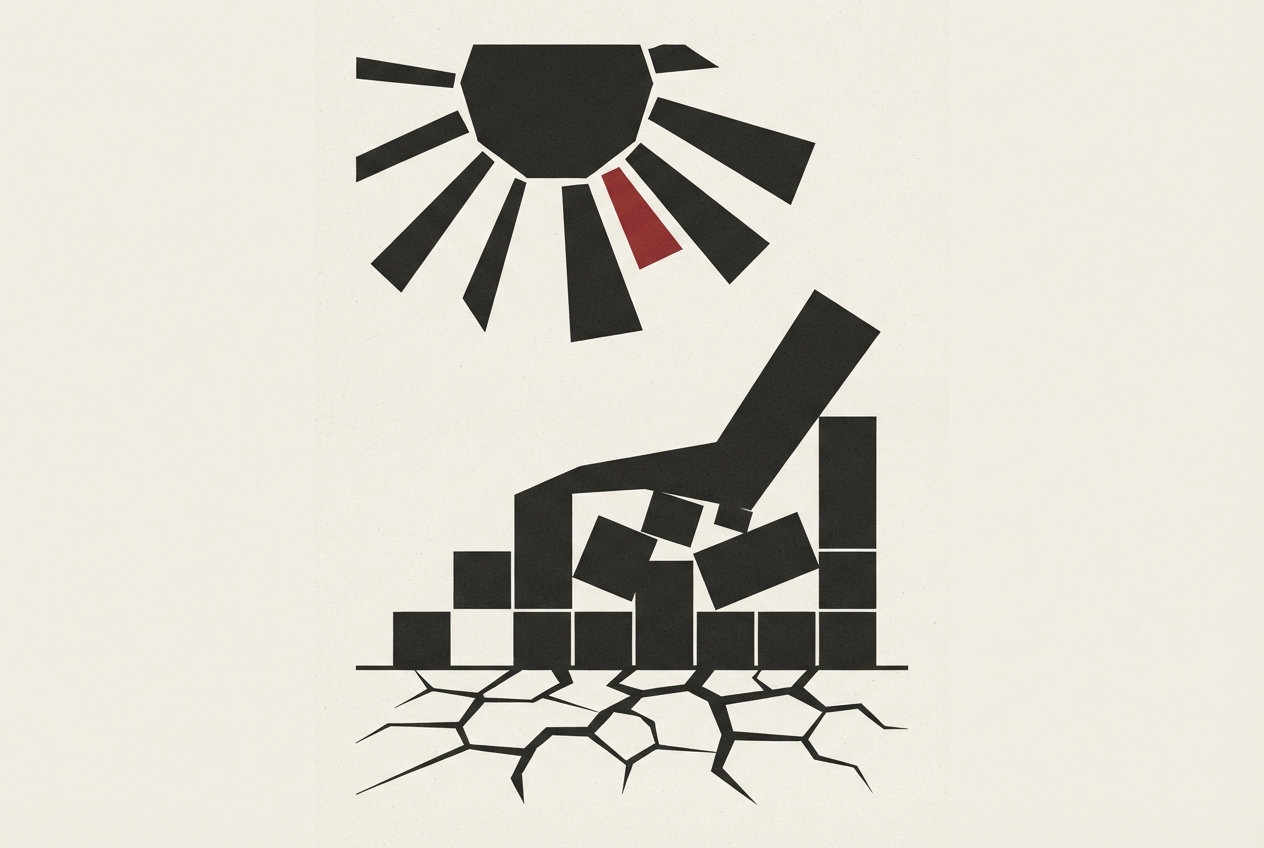
Europe's economy faced the harsh reality of climate change in summer 2023, with record heatwaves and droughts causing severe economic damage. Scientists attribute these extreme weather events to global warming. The economic fallout, estimated in the hundreds of billions of euros, includes disruptions to power production, shipping, and public health systems.
The heatwaves and droughts have forced nuclear generators to shut down or curtail production, threatened agricultural yields, and claimed tens of thousands of lives. The Rhine and Danube rivers, crucial for cargo transport, faced limited traffic due to low water levels, while wild fires ravaged Europe, making this the continent's costliest wildfire season ever.
Economists warn that these costs will only rise faster than temperatures, with a potential 5-7% reduction in growth by 2030 for exposed economies like Spain, France, and Italy. Southern Europe, already hotter than other regions, faces the most significant economic repercussions, including falling tourism and rising food prices, putting pressure on the European Central Bank.
The fiscal consequences are most severe for economies with limited capacity to absorb the damage, potentially leading to a decline in annual tax revenues and business profit margins.
Written by urgent.news from Investing.com's reporting — not their text. Machine-written — may contain errors; check the original before relying on it.