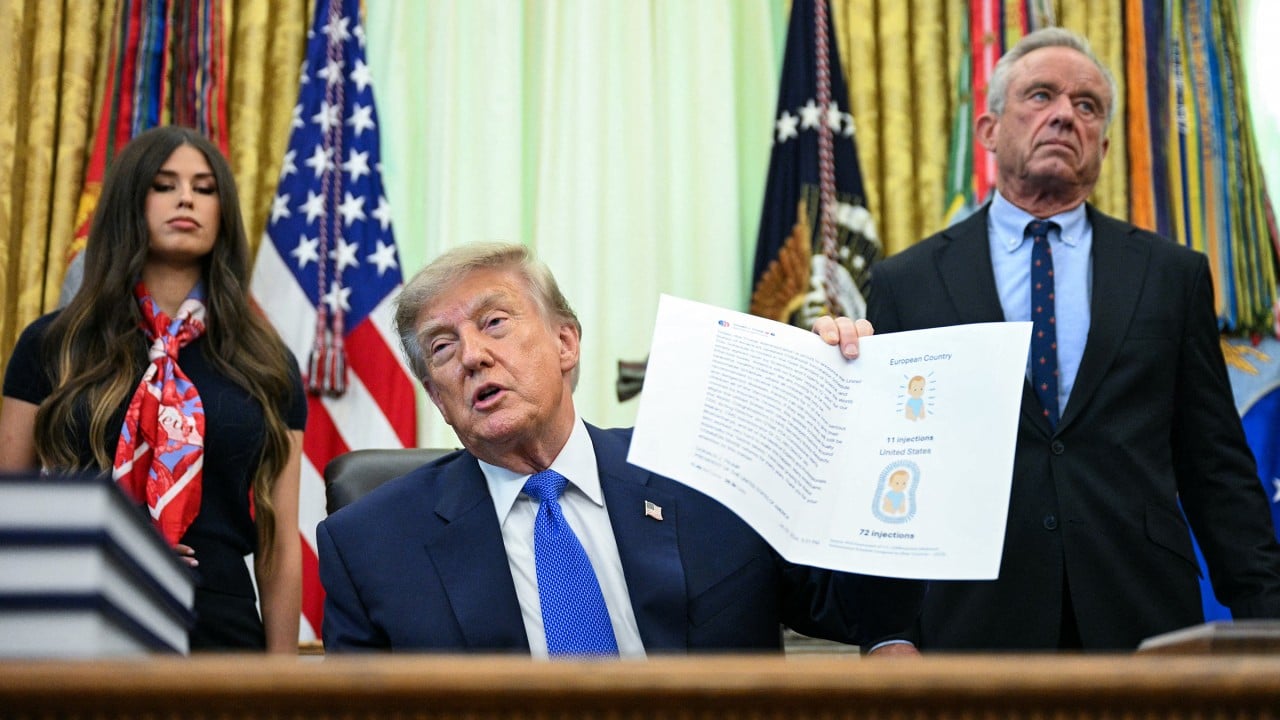
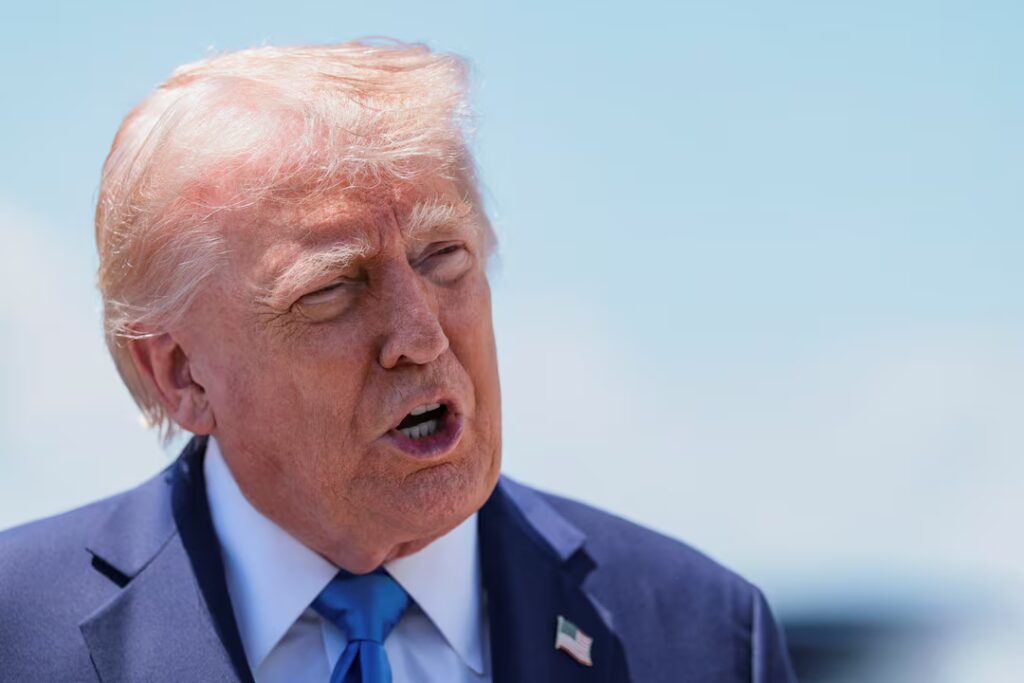
American Academy of Pediatrics calls Trump vaccine order 'dangerous'
The president of the American Academy of Pediatrics blasted President Trump’s Monday executive order calling for fewer childhood vaccines. "As measles cases reach a 35-year high in the U.S. and with cold and flu season quickly approaching, today's executive order on vaccines is not only disheartening but dangerous,” Dr. Andrew Racine said in a release. ...
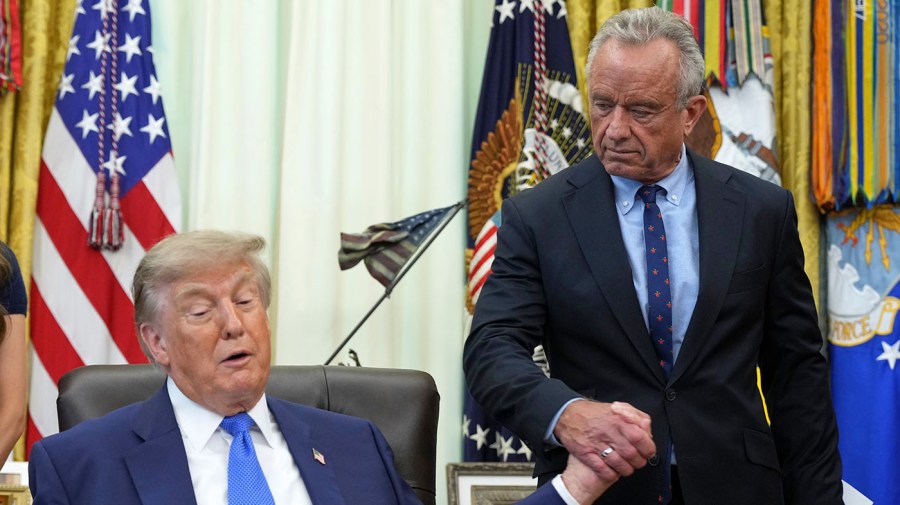
President Donald Trump signed an executive order on Monday aimed at overhauling childhood vaccine recommendations, promoting the discredited notion that vaccines should be administered in separate medical visits. The order advocates for separating the measles, mumps, and rubella (MMR) vaccine into three distinct shots and scheduling all childhood immunizations at separate appointments whenever feasible.
It also directs the nation's health department to enhance research on vaccines and present a plan for offering separate measles, mumps, and rubella vaccines for children, a practice not currently available in the United States.
Public health experts have expressed concerns that spacing out shots as Trump suggests could increase the risk of children contracting vaccine-preventable diseases before returning for subsequent visits. The order comes amid criticism from public health experts, who argue that spacing out vaccinations can lead to a heightened risk of infection.
The safety of childhood vaccines – including their combination and timing – has been thoroughly studied, and safety monitoring continues for years after their use. Trump characterized the announcement as a "major victory for parents' rights, religious and constitutional rights, and for the gold-standard science," despite scientific consensus debunking any link between vaccines and autism spectrum disorder.
He also reiterated the notion that the timing or quantity of vaccines could contribute to rising autism rates.
The order includes certain modifications to the childhood vaccine schedule that the health department had previously attempted but were blocked by a federal judge. The White House defended the president's authority to provide his own recommendation to Americans via the executive order, while distinguishing the lawsuit blocking the health department's schedule as an independent matter.
Dr. Andrew Racine, president of the American Academy of Pediatrics, criticized the announcement for creating unnecessary confusion and uncertainty where none existed. He maintained that scientific evidence about vaccines and their efficacy had not changed. Senator Bill Cassidy, the Republican chair of the Senate health committee, also decried the executive order, stating that vaccines are safe and do not cause autism, and asserting that the President lacked the expertise to make such changes.
Even as states retain authority to mandate vaccinations for schoolchildren, the order advises states with such mandates to consider updating their laws to align with the administration's preferred schedule. The Department of Health and Human Services' review of peer nations' vaccine recommendations to inform potential changes to U.S. guidance was initiated in December but has been challenged in court.
While the CDC director recently confirmed her appointment, concerns have been raised about the President's potential ability to override her decision if she disagrees with the new recommendations.
Written by urgent.news from South China Morning Post's reporting — not their text. Machine-written — may contain errors; check the original before relying on it.
This story
This is one outlet's version. Read the fullest account.