Amazon Used a Startlingly Dirty Trick to Build a Data Center Without Consent of Community
Residents were left in the dark for five years. The post Amazon Used a Startlingly Dirty Trick to Build a Data Center Without Consent of Community appeared first on Futurism .
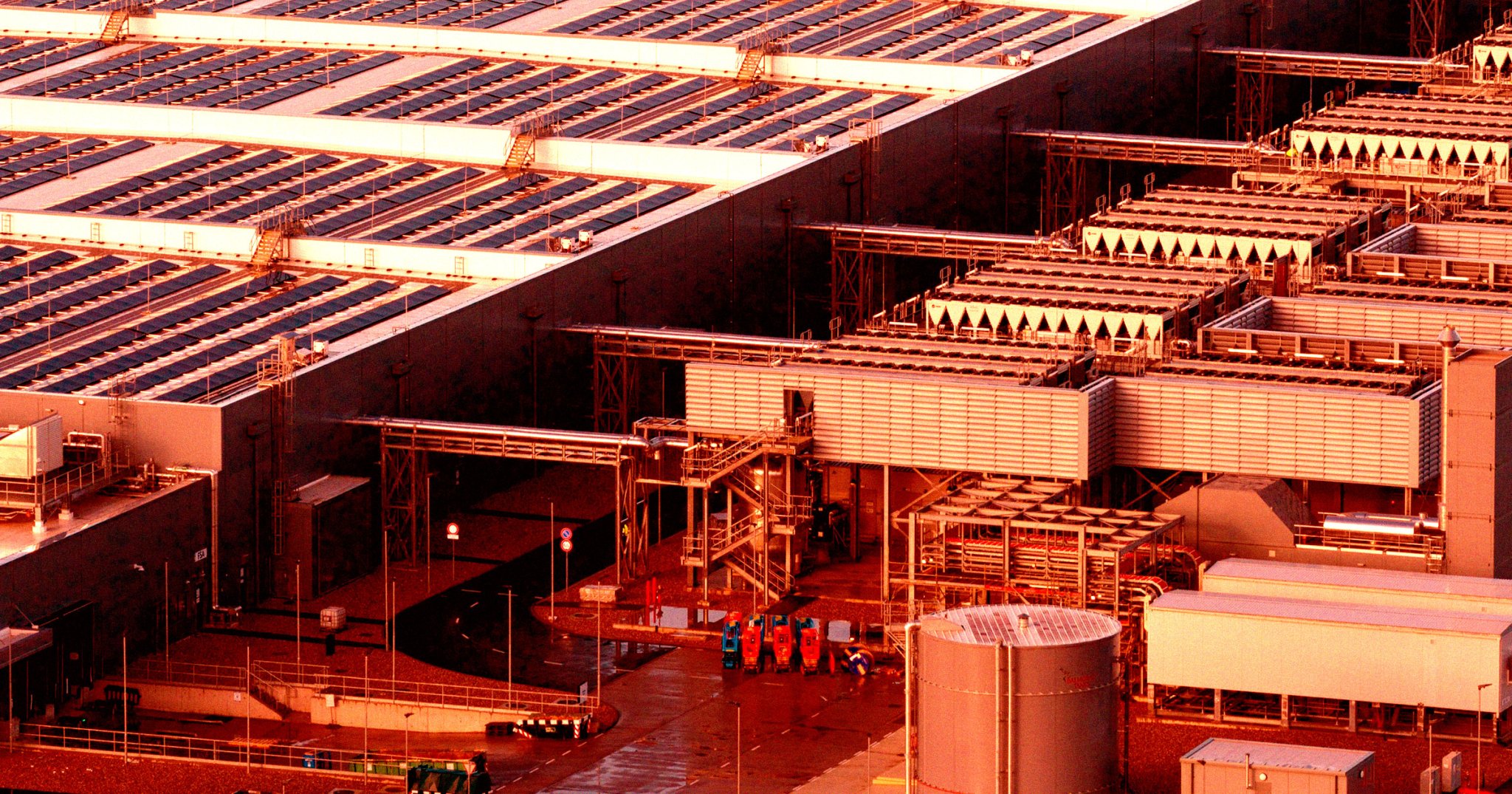
A contentious battle is unfolding in rural areas throughout the United States, as local residents attempt to prevent AI data centers from encroaching upon their neighborhoods. People are beginning to see through the promises made by technology firms and the politicians who have supported them, understanding that the benefits of placing a resource-intensive data center in their community are minimal.
However, tech giants are discovering unconventional—and occasionally underhanded—methods to bypass local dissent in their pursuit of constructing these extensive facilities. According to the Wall Street Journal, Amazon exploited outdated zoning laws in Gilroy, California, to begin building a data center without the knowledge or consent of the community for a period of five years.
Coleen Crew, an elementary school teacher from the town, revealed to the local council meeting that many residents only learned about the project once construction had begun. The city's development director granted permission for Amazon's 438,500-square-foot data center, occupying 56 acres of former farmland on a stretch of highway.
Mayor of Gilroy expressed surprise at the sudden backlash from constituents, stating that while they were initially okay with a food-distribution center in town, they were now displeased about a data center without their input.
The reasons why residents oppose Amazon's latest endeavor include the colossal energy consumption of data centers, which have been known to increase electricity rates, elevate local greenhouse gas emissions, produce loud noise, and contaminate water sources. Adding to the controversy, data centers are not typically significant employment generators.
Amazon Web Services' president of economic development, Roger Wehner, claimed that the company adhered to standard approval procedures for an industrially zoned parcel, but admitted that they should have been more proactive in engaging with the community. The company has since held meetings with residents and hosted an open house to address their concerns.
City officials are now contemplating changes to the approval process that would require developers to hold community meetings and interact with residents. Resident Rosa Rodriguez expressed her concerns in February, asking city staff to comment publicly on an environmental review report, citing her worries about the local drought.
However, city planners dismissed her request, informing her that the comment period had closed in September 2024, long before she became aware of the project. Amazon has attempted to win over the public by emphasizing a new wastewater pipeline, tax revenue, construction jobs, and even sponsoring the annual Gilroy Garlic Festival.
Nonetheless, frustrated residents remain unsatisfied, demanding to be informed about large projects like the data center.
Written by urgent.news from Futurism's reporting — not their text. Machine-written — may contain errors; check the original before relying on it.