Air Force Ascendant: Senior PLA Leadership Changes and Their Implications
If current trends continue, the PLAAF is likely going to have a greater-than-usual presence on the next Central Military Commission.
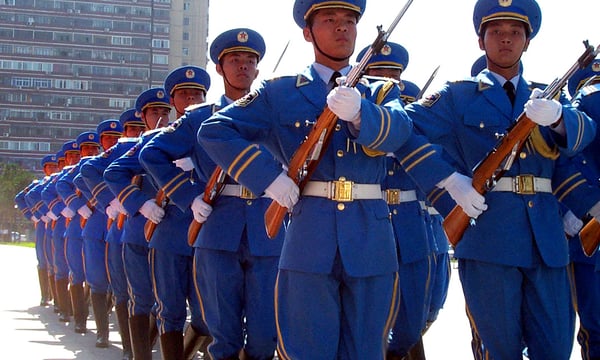
In the wake of leadership changes within the People's Liberation Army (PLA) due to recent purges, the Air Force (PLAAF) has emerged as a prominent force in the military hierarchy. According to reports from the South China Morning Post and Channel News Asia, PLAAF officers have taken senior positions at the Central Military Commission (CMC), giving them a significant voice in the decision-making process.
Currently, PLAAF officers head five out of seven CMC departments, with two PLAAF officers leading the Eastern and Central Theater Commands. This shift in power dynamics could have far-reaching implications for the future of the PLA. Historically, PLAAF representation on the CMC has been limited, with only two PLAAF officers holding CMC positions during the Xi Jinping era.
This scarcity may have protected PLAAF officers from the purges that have plagued other branches of the military. However, their limited exposure to power may also have hindered their ability to advocate for their service's needs. With PLAAF officers now wielding greater influence, they are likely to prioritize air power and push for increased investment in air defense systems, unmanned aerial vehicles, and counter-drone technologies.
This shift in focus may benefit the PLA in the long run, particularly if future conflicts require extensive air force participation. Nevertheless, the rapid rise of PLAAF officers also brings potential challenges. As these officers gain more authority, they may face increased scrutiny and resistance from traditional military powers, such as the Army.
Xi Jinping, who is expected to play a crucial role in shaping the new leadership structure, has shown a preference for a PLAAF-heavy team. While this development could strengthen air power capabilities, it also highlights the complex political landscape within the PLA. The future of PLA development will depend on how these shifting dynamics play out, with the potential for both unity and instability as the new leadership navigates the delicate balance of power.
Written by urgent.news from The Diplomat's reporting — not their text. Machine-written — may contain errors; check the original before relying on it.