AI data center bans surge past 500 nationwide as local US politicians begin blocking new developments — growing public outrage and bipartisan pushback threaten big tech expansion plans
New AI data center development bans jumped to over 500 in July, according to recent analysis, with political and public pressure growing.
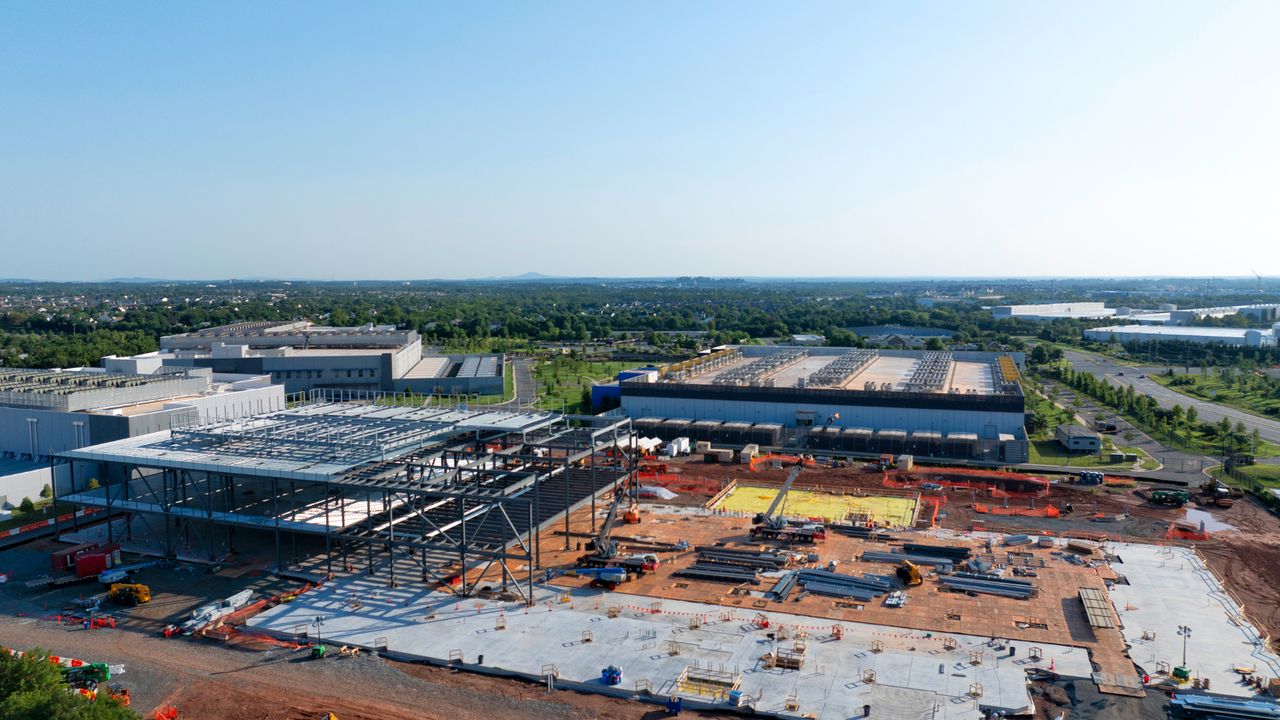
By July, the count of local bans on new data center projects had reached more than 500 across the United States, according to research from The Information. American politicians at the local level are increasingly rejecting proposals for new data center construction, creating a challenge for AI companies seeking the necessary capacity to sustain their burgeoning technology.
This trend is not limited to any particular political affiliation, as the analysis reveals partisan resistance from both Republicans and Democrats. Their actions stem from mounting public discontent over the potential consequences of these developments on local communities.
The Information's report, compiled from legal filings and local news accounts, indicates that this issue is not confined to a specific region of the country. Republican and Democratic-run states and municipalities across the country have joined forces in blocking new data center initiatives. Texas and New York, both under the leadership of Republicans and Democrats respectively, have been at the forefront of this movement. In the majority of instances, these bans have been enacted in the Midwest and Southern states.
The motivations behind these bans are primarily rooted in concerns expressed by residents regarding the noise generated by data centers, as well as the strain they could place on essential public services like water and electricity supplies. This sentiment has been amplified in Texas, where Governor Greg Abbott imposed a moratorium on new data center approvals until a comprehensive audit of the companies seeking to connect their facilities to the state's power grid is completed.
Notably, Amazon plans to construct a new gas power plant in Pecos County, Texas, to meet the energy demands of a data center in the same area, despite the environmental implications.
The surge in data center bans has disproportionately affected the Midwest and South, with over 400 restrictions now in place, nearly three-quarters of which were approved in July. Florida has been particularly proactive in halting new developments, with 14 out of 23 active restrictions implemented in the state in July alone, and 15 more under consideration.
High-profile cases can be found in states like New York, Massachusetts, and Colorado, where governors and local officials have imposed moratoriums or halted tax breaks for developers, citing environmental and water usage concerns.
The growing resistance to AI data center expansion has garnered support from a significant portion of the American public, with over 70% reportedly opposing the construction of additional data centers. The unrest against these projects has reached a boiling point, resulting in at least 37 arrests this year for individuals protesting against new developments.
Written by urgent.news from Tom's Hardware's reporting — not their text. Machine-written — may contain errors; check the original before relying on it.