AgTech SME cites integrated farming models as efficient solution to desert resource constraints
The founder of an AgTech startup based inside the Qatar Science and Technology Park (QSTP) has revealed that deploying controlled-environment agriculture alongside traditional farming methods offers t...
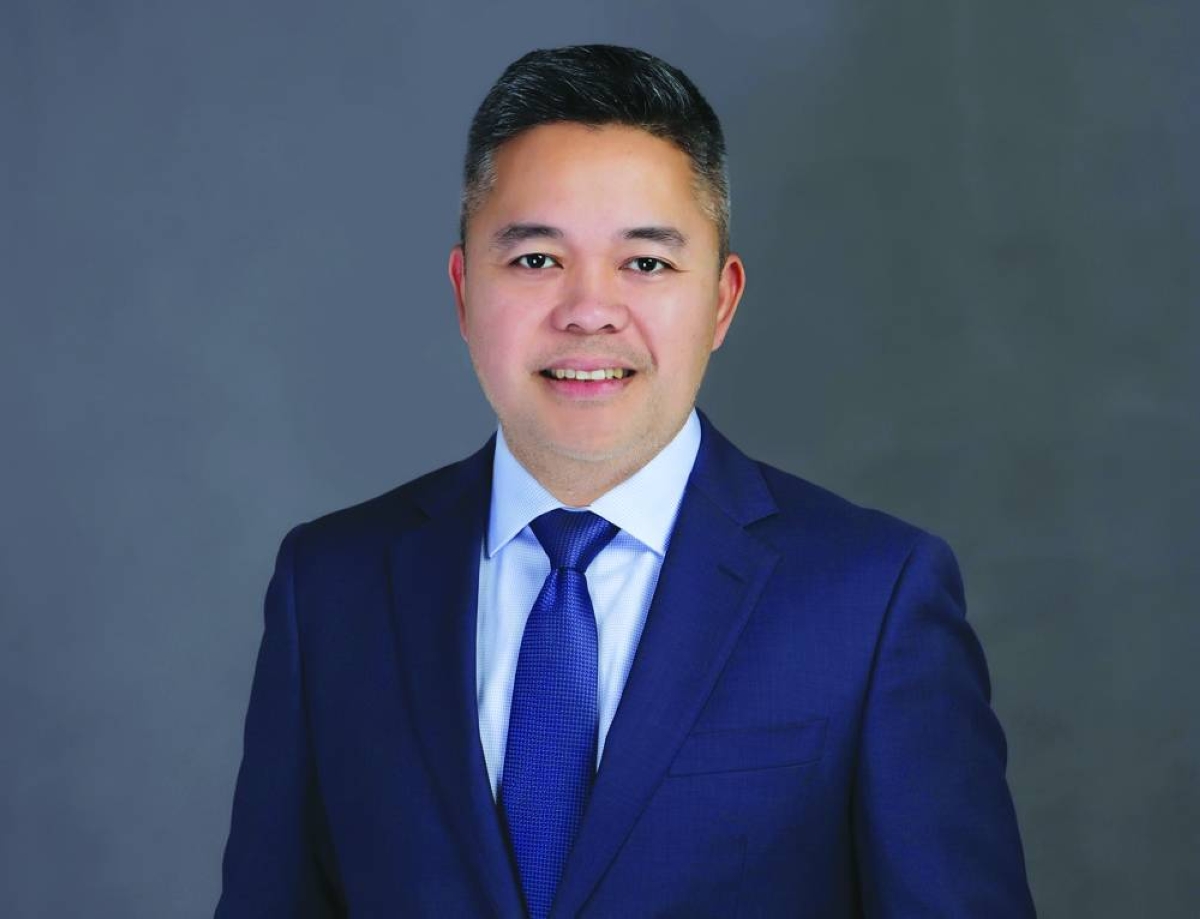
A founder of a Qatar-based AgTech startup disclosed that combining soilless cultivation with conventional farming techniques presents a viable approach to tackle extreme water and land scarcity in desert regions. Jeacim Francis Adaya, the CEO of Hydrovest Technology, clarified that hydroponics serves as a supporting system to traditional agriculture, not a replacement.
Traditional farming remains indispensable, while hydroponics enables food production in areas where conventional methods are impractical. Adaya emphasized that blending soilless farming techniques can bolster local food production while conserving natural resources. Instead of competing with open-field agriculture, these tech-driven systems function as targeted tools to expand yield in non-arable areas and maintain consistent production cycles.
The startup's location within the Qatar Science and Technology Park (QSTP) has enabled them to design agricultural equipment specifically suited for high-heat desert environments. Closed-loop hydroponic systems, which capture and recycle water within closed circuits, significantly lower water usage compared to traditional soil irrigation, ensuring a stable output for commercial growers navigating high input costs.
Adaya pointed out that this efficiency makes hydroponics a crucial element in sustainable agriculture for arid climates. Beyond large-scale facilities, decentralized production models offer backup supply chain support throughout the domestic market. Setting up small-scale systems in urban areas, residential neighborhoods, schools, and community centers bolsters regional resilience against import and logistics disruptions, he explained.
Grassroots education and broad resident participation are vital for promoting long-term adoption. Adaya stressed that individual efforts, when combined, foster a more resilient food system. By understanding the source of their food and participating in its production, residents become integral partners in achieving national sustainability objectives.
Integrating advanced resource management with current farming infrastructure forms a balanced, adaptable production framework, optimized to meet national sustainability targets and long-term economic strategies outlined in Qatar National Vision 2030. Over the next decade, the company's focus will remain on developing desert-specific agricultural innovations, strengthening research partnerships, and cultivating a commercially viable tech-driven farming ecosystem across the Gulf region.
Adaya's vision includes creating technologies explicitly designed for desert agriculture, supporting local food production, collaborating with research institutions, and inspiring the next generation of AgriTech entrepreneurs.
Written by urgent.news from Gulf Times Business's reporting — not their text. Machine-written — may contain errors; check the original before relying on it.