AfD on pre-election roll in east Germany, despite economists' scepticism
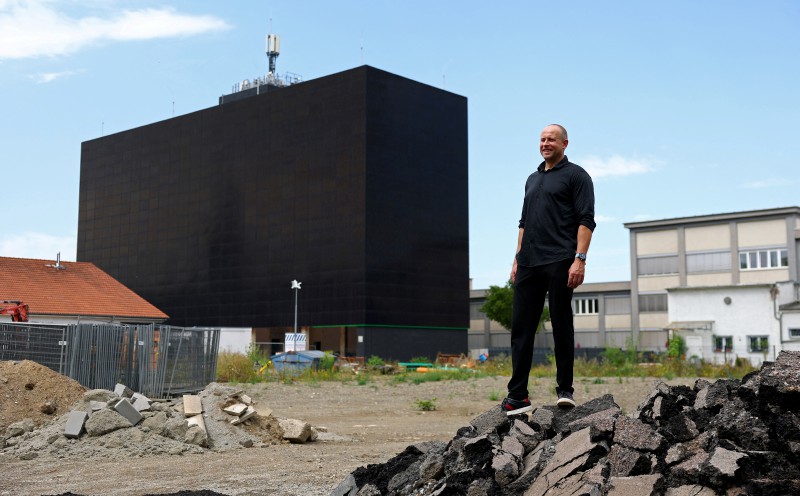
LARS Gottschligg bought an abandoned building in the east German state of Saxony-Anhalt, covered it with solar panels and transformed it into a sleek black cube that harvests and stores energy, houses data centres and charges electric cars.
The Alternative for Germany (AfD) party is polling strongly in east German states of Saxony-Anhalt and Mecklenburg-Vorpommern, where elections are taking place on September 6th and 20th respectively. The AfD's rise is attributed to a lingering sense of economic disadvantage and neglect by a political establishment largely rooted in the west.
The party's support stems from the regions' shared historical legacy of shrinking populations, shortages of skilled labor, higher unemployment, and lower incomes compared to western Germany.
Experts caution that the AfD's policies, including withdrawal from the euro and the European Union, a halt to immigration, and cuts in state spending, would be particularly negative for the economically less developed east. A study by the DIW Berlin estimates that if the AfD were to implement these measures, Saxony-Anhalt would lose around €1,600 (US$1,840) per capita annually and 10,000 jobs.
Despite the concerns, local leaders and entrepreneurs like Lars Gottschligg, who runs a renewable energy project, remain unconcerned about the AfD's rise. Gottschligg believes that renewable energy makes economic sense and that even an AfD government wouldn't stand in its way. He also highlights that the AfD's proposals, such as ending CO2 levies and lifting sanctions against Russia, could lead to a significant reduction in energy costs and a rise in foreign trade, boosting the overall economy.
However, economists warn that the AfD's policies would harm the already economically disadvantaged regions more than they would benefit. The AfD's promises to charge non-EU students tuition fees also raise concerns among university officials and students, who value international exposure and education.
Written by urgent.news from New Straits Times's reporting — not their text. Machine-written — may contain errors; check the original before relying on it.