5 key differences between an insomniac and someone who gets 7+ hours sleep a night — and why it matters
Health experts share the 3 habits that separate insomniacs from people getting enough sleep — plus the 3-step routine for falling asleep fast
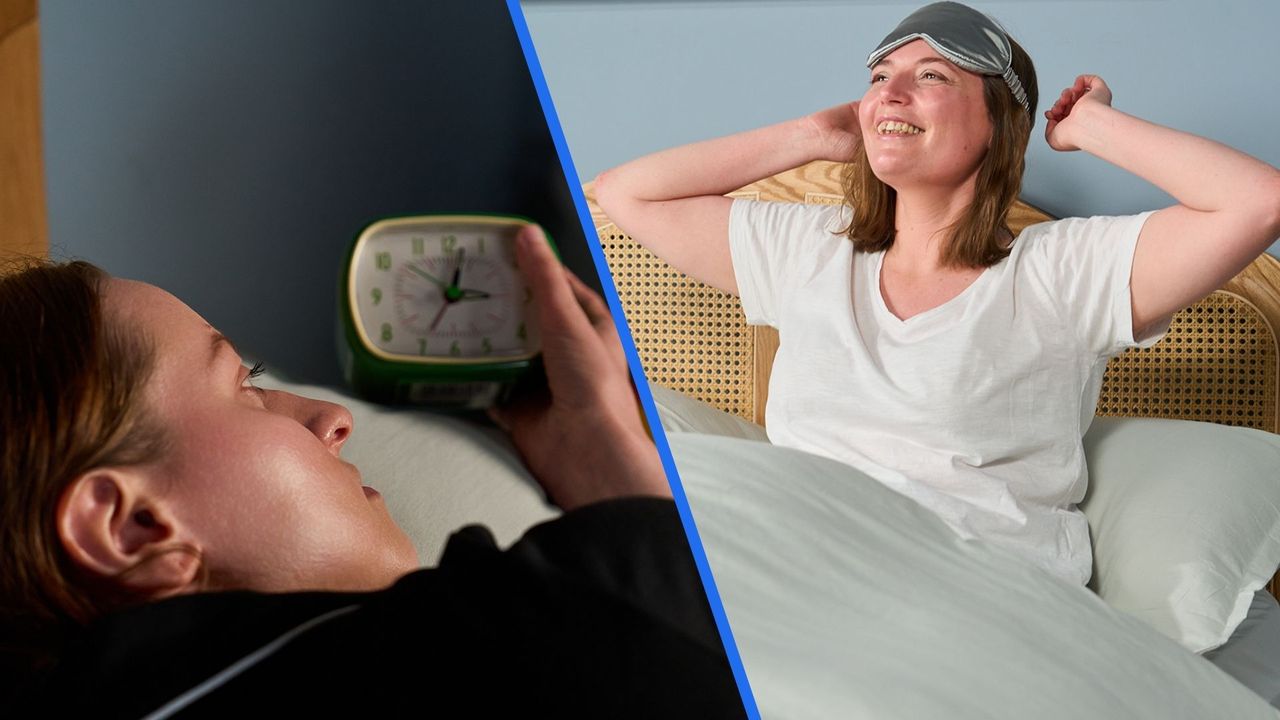
Insomnia and those who consistently get seven or more hours of sleep each night exhibit distinct behaviors, impacting their overall well-being. Sam Sadighi, a certified sleep practitioner, and Mike Wakeman, a pharmacist and sleep researcher, shed light on these key differences. Here are five habits that set insomniacs apart from those who enjoy uninterrupted, restful slumber.
Insomniacs' habits:
1. Insomniacs often find themselves obsessively watching the clock, attempting to force sleep, and fretting over the time they'll have left before their alarms. This mindset exacerbates their sleep issues, creating a cycle of stress and further sleep deprivation.
2. Irregular sleep patterns are prevalent among insomniacs. They frequently go to bed and wake up at different times each night, disrupting their bodies' internal clocks and making it harder to establish a consistent sleep rhythm.
3. A lack of a calming pre-bedtime routine is common among those with insomnia. Many engage in stimulating activities, such as working, scrolling through social media, or watching television right up until they try to sleep. This disrupts their ability to unwind and enter a state of relaxation conducive to sleep.
People who consistently get 7+ hours of sleep per night tend to follow these better sleep habits:
1. Exposure to natural light is crucial for sleep. Getting sufficient daylight, particularly in the morning, helps regulate the body's internal clock, signaling it's time to wake up. Conversely, dim lighting in the evening cues the body to produce sleep-promoting hormones, preparing it for rest.
2. Consistency in sleep and wake times is a cornerstone of good sleep hygiene. People who sleep well maintain regular bedtimes and wake-up times, even on weekends and days off. This consistency helps reinforce their body's natural sleep-wake cycle, promoting better sleep quality and overall health.
3. Developing a relaxing pre-sleep routine is essential for those who regularly get enough rest. This can include dimming lights, putting away electronic devices, engaging in gentle stretching, reading, or taking a warm bath. These activities signal to the mind and body that it's time to transition into a state of sleep readiness.
While good sleep habits can certainly improve sleep quality, chronic insomnia may require additional medical intervention. Anyone experiencing persistent sleep problems should consult a healthcare professional for personalized guidance and treatment options.
Written by urgent.news from Tom's Guide's reporting — not their text. Machine-written — may contain errors; check the original before relying on it.