UPI’s Free Ride Is Over
In the last 10 years, UPI has changed how India transacts. What began as a simple, instant and interoperable way…
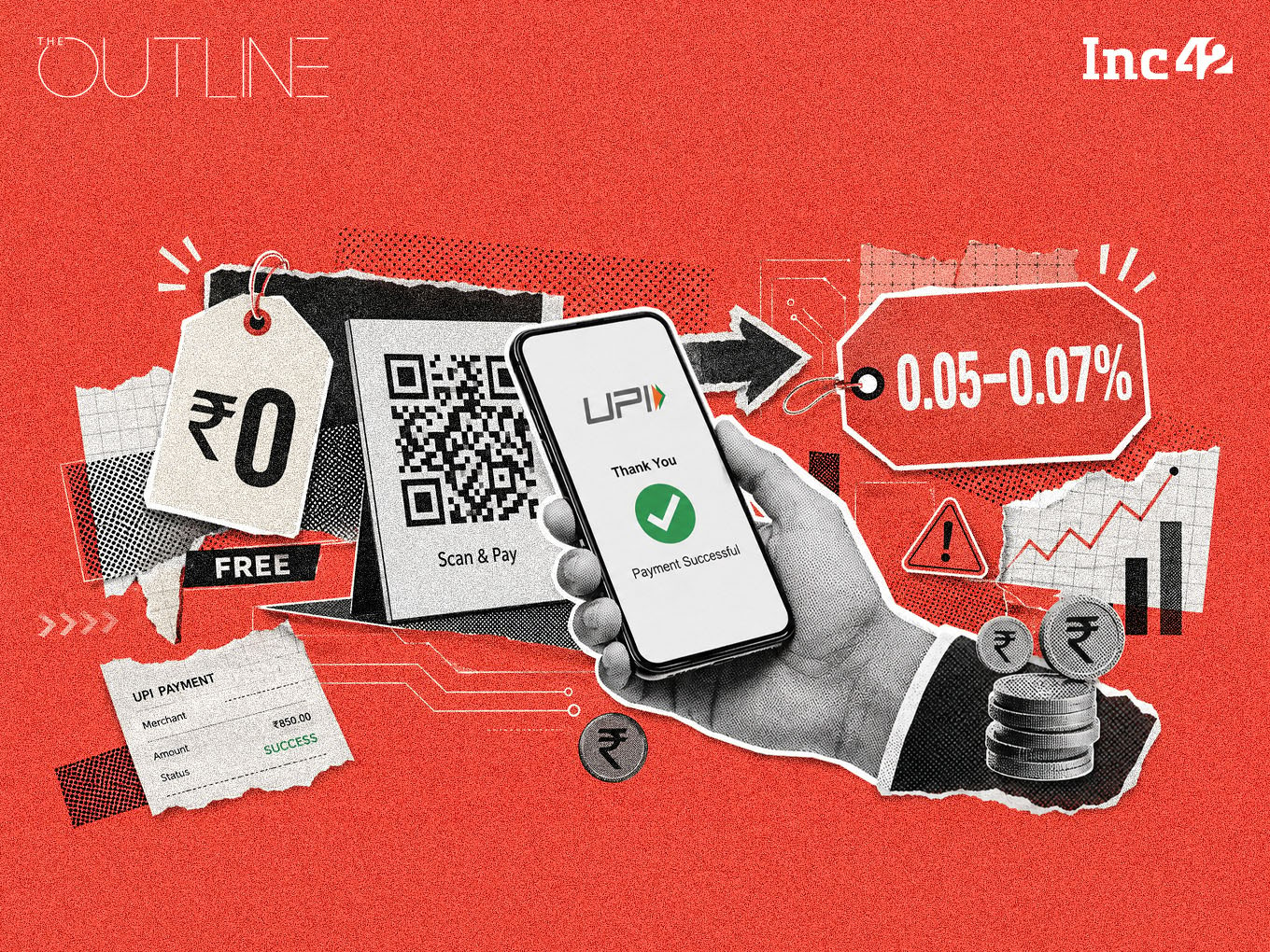
UPI, a popular digital payment system in India, has become an integral part of daily life. Its free service model, which began nearly a decade ago, allowed for fast and frictionless transactions. However, the government now proposes to introduce a Merchant Discount Rate (MDR) on certain UPI transactions, potentially altering this fee structure.
This move has sparked a debate about who will bear the cost of this near-free digital payment system. UPI's adoption has grown rapidly, processing over 2.3 billion transactions in July alone. However, most of these transactions remain free, which could prove problematic as transaction volumes surge and the cost of maintaining the ecosystem rises.
Finance Minister Nirmala Sitharaman stated that any MDR would be charged to merchants, not consumers, allowing banks and fintechs to invest in infrastructure, innovation, and security. RBI Governor Sanjay Malhotra also suggested that consumers may ultimately bear the cost of transactions in some way. The US Trade Representative has expressed concerns over India's zero-MDR policy, which could disadvantage foreign payment networks.
The government's decision to introduce MDR is driven by the need to create a sustainable revenue model for banks and payment companies, but the extent of this burden on merchants and consumers remains a topic of considerable discussion.
Written by urgent.news from Inc42's reporting — not their text. Machine-written — may contain errors; check the original before relying on it.