UMK study finds buffalo leech saliva protein delays blood clotting, shows anticoagulant potential
BACHOK, Aug 10 — A three-year study by Universiti Malaysia Kelantan (UMK) researchers has found that protein extra...
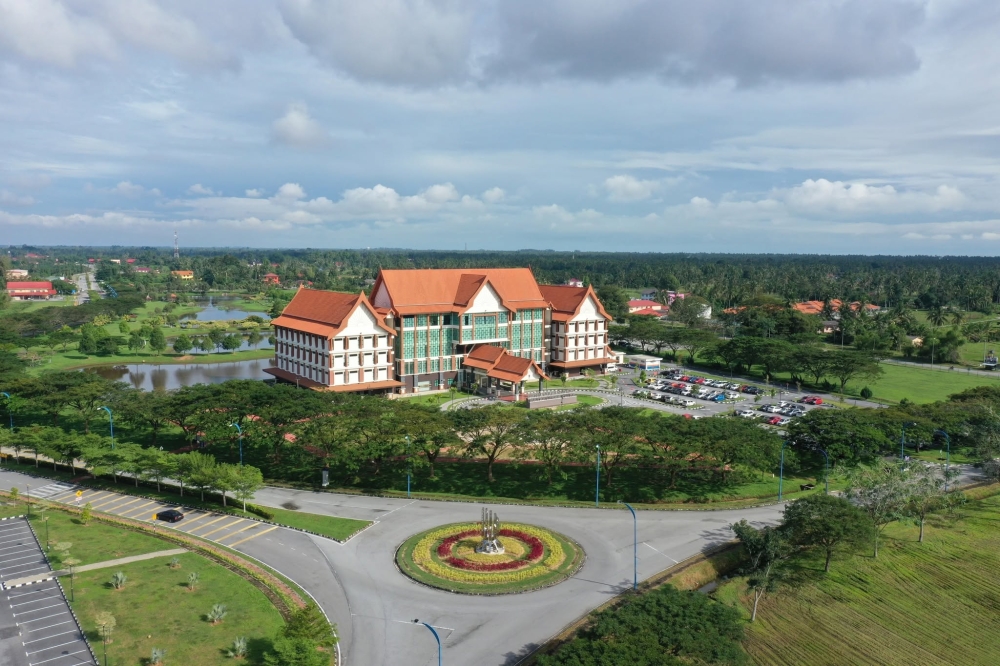
A recent three-year study conducted by Universiti Malaysia Kelantan (UMK) researchers has discovered that a protein found in the saliva of the local buffalo leech (Hirudinaria manillensis) may have anticoagulant properties useful in the medical industry. Senior lecturer Dr Zulhisyam Abdul Kari revealed that the protein contains hirudin, a substance similar to heparin, commonly used in medicine to prevent blood clotting.
Laboratory tests confirmed that the leech protein extract effectively delays blood clotting, on par with other anticoagulants. Buffalo leeches were selected for the study due to their higher saliva and protein production compared to land leeches, despite both being of the same family. These leech-based treatments have been utilized historically for various health issues, like gout, acne, and chronic wound healing in diabetic patients.
Zulhisyam noted that commercial treatments adhere to stringent clinical protocols, using a single leech per patient to prevent cross-infection. Asian leeches, including those from Malaysia, are considered among the highest quality globally, with Germany using them to aid smooth blood flow before heart surgeries. However, Malaysia's leech farming industry has significantly declined due to fraud, loss of leech population in natural habitats due to pesticide and chemical fertilizer misuse, and insufficient funding for further research.
Zulhisyam called for greater support to continue researching and potentially commercialize local leeches for global medical use, emphasizing the importance of preserving leeches and other organisms for future scientific and biotechnology applications.
Written by urgent.news from Malay Mail's reporting — not their text. Machine-written — may contain errors; check the original before relying on it.