Turning battery waste into strategic resources: The next opportunity for Indian industry
As EV adoption accelerates, end-of-life batteries are emerging as a strategic source of critical minerals. Building a robust battery recycling ecosystem will be key to India's resource security, manufacturing resilience, and clean energy future.
Electric scooter batteries typically last around five years before their State of Health falls below 70%, prompting disposal. However, industry sees waste as a treasure trove of critical minerals. As electric vehicle (EV) adoption surges in India, the fate of these batteries determines whether the nation becomes self-reliant or imports critical minerals. India aims for 30 million EV sales by 2032 and generates about 128 GWh of battery waste by the end of the decade, with EVs accounting for nearly half.
End-of-life lithium-ion batteries contain materials needed for next-generation energy storage. The projected waste could yield 17,500 tonnes of lithium, 22,600 tonnes of nickel, 2,600 tonnes of cobalt, and 141,800 tonnes of graphite. For a country with limited mineral reserves, extracting these metals is crucial. A circular battery economy could provide over 40% of the nation's lithium, nickel, and cobalt needs by 2050, insulating manufacturing from volatile global markets.
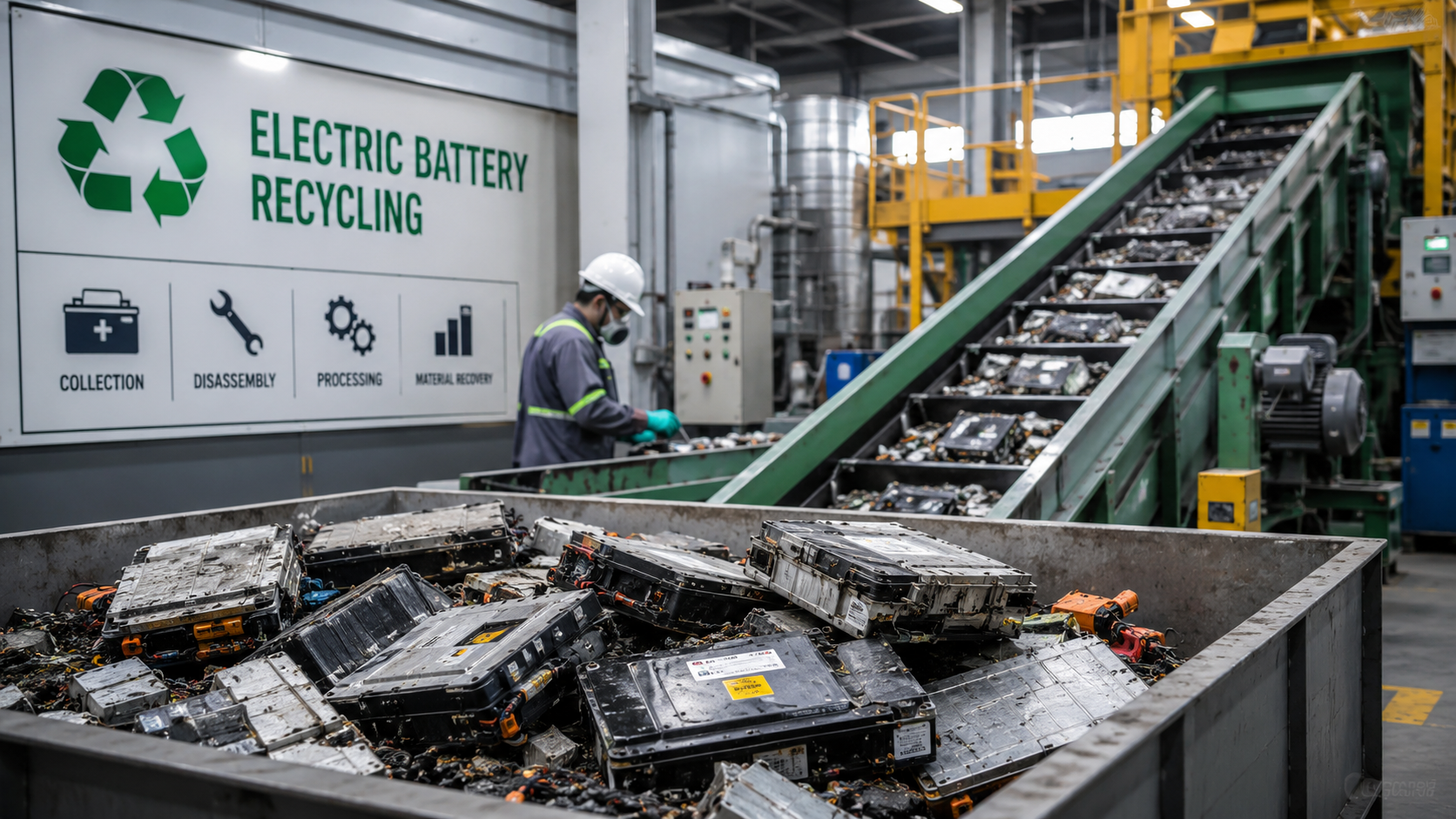
Recovering critical minerals is more complex than dismantling batteries. Battery packs differ in chemistry, design, and condition, making safe handling a primary engineering challenge. After controlled discharge, batteries are mechanically dismantled, shredded, and processed into "black mass," containing concentrated active metals. Advanced refining techniques extract lithium, nickel, cobalt, and graphite with over 90% efficiency.
The value lies in refining black mass into metals or salts that can be reused in multiple manufacturing streams, including batteries. Domestic refining retains value within the country's manufacturing ecosystem, strengthening industries. Operating a recycling facility shows metallurgy alone is insufficient for commercial success; process design is key.
Technologies with multiple chemical extraction stages increase costs and waste. Lithium Iron Phosphate (LFP) batteries, becoming preferred due to safety, present a commercial challenge as they contain no nickel or cobalt, making processing economically unfeasible with current commodity prices.
To address this, the industry needs Viability Gap Funding or differentiated incentives for low-value chemistries. Securing feedstock is also a major hurdle, with 70-90% of India's battery waste currently unregulated and mismanaged. The Battery Waste Management Rules 2022 introduced Extended Producer Responsibility (EPR) to address this, but enforcement remains critical.
Ensuring traceability throughout a battery's lifecycle can keep waste within the formal circular economy. Ultimately, transforming battery waste into strategic resources is the defining industrial challenge of India's electric mobility era.
Written by urgent.news from YourStory's reporting — not their text. Machine-written — may contain errors; check the original before relying on it.