The Iran war has exposed the world's energy vulnerability
THE lasting legacy of the Iran war will likely be a renewed impetus for energy-importing nations to lessen their dependence on fossil fuels.
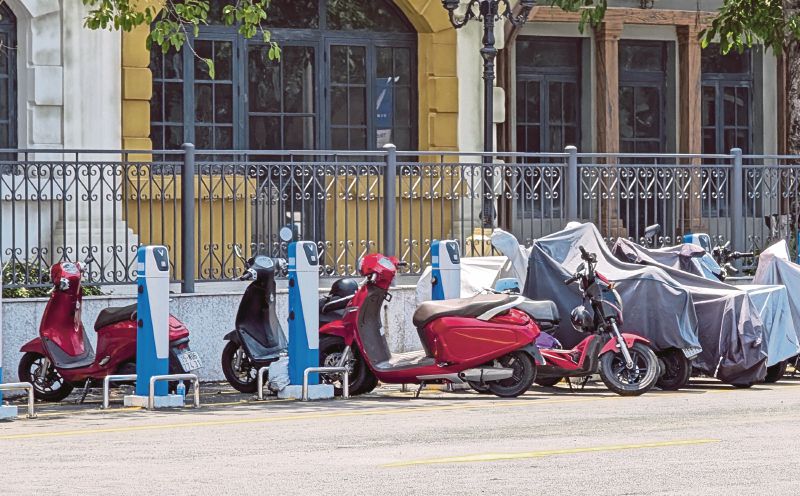
The lasting legacy of the Iran war is likely to drive energy-importing nations to reduce their dependence on fossil fuels. The critical question is how to do this in a cost-effective, politically acceptable manner without creating new vulnerabilities. The debate often centers on political ideologies, with progressives advocating for a faster transition to renewables and electric vehicles, while conservatives propose developing more fossil fuel production outside the Middle East.
The Iran war, initiated by the US and Israel on February 28, has effectively blocked the Strait of Hormuz, a waterway that previously carried nearly 20% of global crude, refined products, and liquefied natural gas. For nations reliant on fuel imports, this marks the second crisis in four years, following Russia's 2022 invasion of Ukraine which caused global spikes in crude, fuel, LNG, and thermal coal prices due to fears of Russian export curtailment.
Australia, the world's leading diesel importer, exemplifies the challenges faced by fuel importers. The country relies on imports for about 80% of its liquid fuel needs, with two refineries that have reduced processing capacities to less than 100,000 barrels per day each. In 2025, Australia imported approximately 861,000 barrels per day of light and middle distillates, with diesel accounting for around 60%.
The threat of ongoing supply disruptions and higher prices led the Australian government to announce a $4 million pre-feasibility study for a new oil refinery, the first in 60 years. However, building a modern, economically viable refinery would require a capacity of at least 300,000 barrels per day, with construction costs likely exceeding $12 billion.
Alternatively, encouraging mining companies and farmers to electrify operations might be a viable solution. Fortescue Metals Group, Australia's third-largest iron ore miner, has already seen benefits from adopting electric mining vehicles and renewable electricity generation. Other nations, such as Vietnam, Indonesia, and Thailand, are also adopting policies to boost domestic production and sales of electric vehicles, electric scooters, and EV infrastructure, suggesting that a combination of diversification in energy sources and consumption types may be the key to achieving energy security.
Written by urgent.news from New Straits Times's reporting — not their text. Machine-written — may contain errors; check the original before relying on it.