The evolution of permanent makeup: Trends, removal, and recovery
Permanent makeup once promised effortless beauty, but experts explain why more people seek removal, what laser treatment involves, and how to heal safely afterwards.
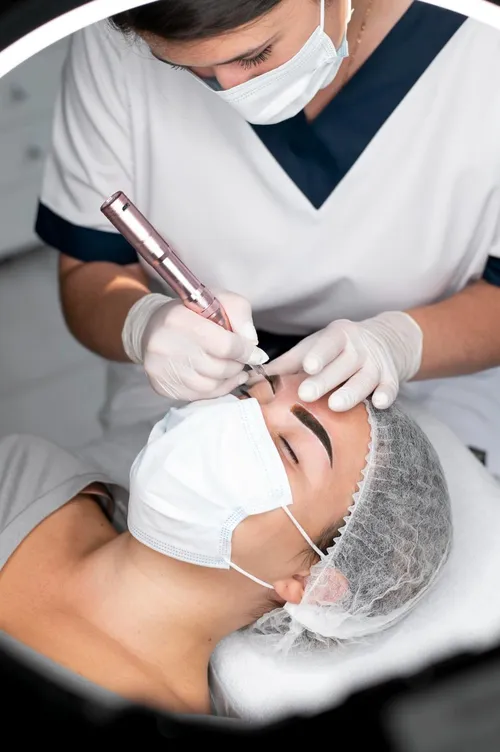
Permanent makeup, or cosmetic tattooing, first gained popularity by promising to eliminate the need for daily makeup application, particularly for busy professionals and those with hair loss or medical conditions affecting eyebrow growth. Eyebrows became the primary focus, with treatments like microblading, powder brows, and combination brows becoming widespread due to social media trends favoring bold, defined arches. Lip blush and permanent eyeliner followed suit, appealing to those seeking convenience and confidence.
However, beauty ideals have shifted towards fuller, softer, and more natural-looking brows, replacing the heavily sculpted styles of the past. As the trend continues, people are increasingly seeking to correct or remove cosmetic tattoos that no longer suit them, have faded unevenly, or reflect a trend they have outgrown. Dermatologists have observed a rise in requests for treatment of complications and dissatisfaction related to permanent makeup.
Recent studies have shown that colour changes are the most common reason for seeking removal, followed by concerns about both colour and shape. One major misconception is that permanent makeup can be erased in a single treatment. Dr. Alek Nikolic, an aesthetic medicine specialist, warns that "there is no single answer, and anyone who promises one should be treated with caution."
Unlike traditional body tattoos, permanent makeup pigments vary in composition, with some containing ingredients like iron oxide or titanium dioxide that can react unpredictably to laser energy.
Removing unwanted permanent makeup typically requires multiple laser sessions, spaced six to eight weeks apart, depending on factors like pigment depth, colour, skin tone, and the body's ability to clear the broken-down pigment. Some pigments may even darken during treatment before fading, necessitating a test patch and thorough assessment before starting full treatment. After each session, the skin usually heals within seven to 14 days, though pigment continues to break down beneath the skin for several weeks.
During and after treatment, the skin may appear mildly burned, with redness, swelling, and warmth. Crusting, flaking, and small scabs can develop, particularly around the eyebrows and lips, which are always visible. Itching is common as the skin repairs, but picking at flaking skin should be avoided to prevent scarring and pigment irregularity.
Recovery involves protecting the skin rather than applying active skincare products, with gentle cleansers and moisturisers recommended during the first week. Ingredients like ceramides, panthenol, niacinamide, and hyaluronic acid can help strengthen the skin barrier before the next laser session.
Correction of pigment issues is not always achieved by adding more pigment, especially if the colour has turned grey, orange, or blue, or if it has migrated beyond the original design. Medical assessment is crucial for problems involving skin colour behaviour, texture, or reaction to pigment. While skincare can support the skin's recovery between treatments, chemical peels should be avoided until healing is complete.
Written by urgent.news from IOL's reporting — not their text. Machine-written — may contain errors; check the original before relying on it.