The doomsday threat we’re ignoring
Of all the extinction-level threats vying for our attention, AI, climate change, and nuclear war tend to get most of the airplay. But Annie Jacobsen thinks biological war should be near the top of our mental list of doomsday scenarios, too. She should know — Jacobsen has carved out a unique niche as America’s foremost […]
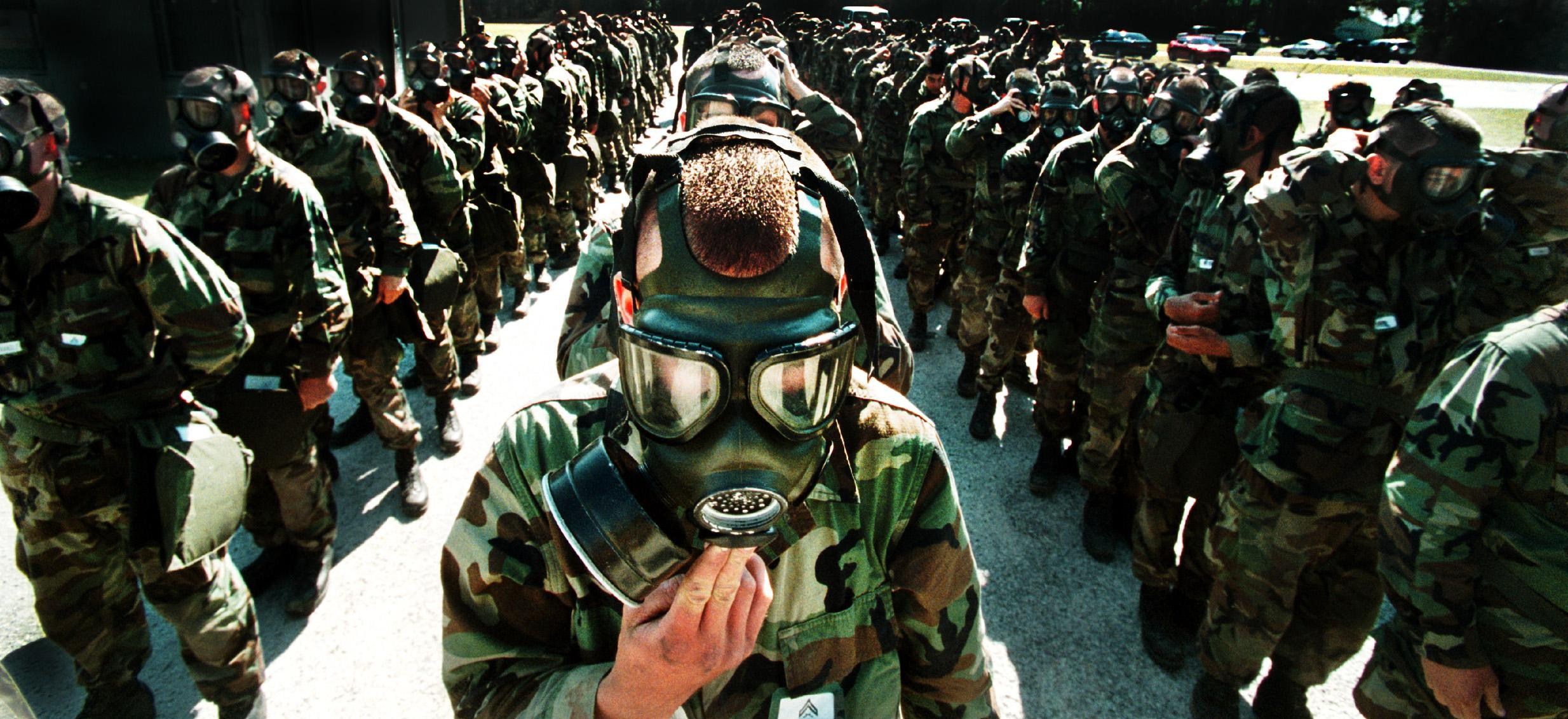
In her recent book, Biological War: A Scenario, investigative journalist Annie Jacobsen paints a chilling picture of a potential global catastrophe caused by bioterrorism. The book delves into a hypothetical incident that could lead to the release of a deadly airborne plague at a high-security Biosafety Level 4 laboratory in Siberia. While a real-life accident at the Vector lab did occur in 2019, the scenario Jacobsen describes in her book is far more dire.
The story begins with an explosion at the lab, leading the intelligence community and the Defense Department to scramble to determine if a pathogen had been released. The released pathogen is a strain of pneumonic plague, a highly contagious and deadly form of the disease. Once the plague is released, it can spread rapidly through the air, infecting the lab workers and anyone else in close proximity.
In Jacobsen's scenario, the pathogen's impact is amplified by the insertion of a gene that causes euphoria and a second gene that triggers encephalitis when antibiotics are taken, causing psychological distress in infected individuals.
The disease quickly spreads from the lab to the nearby city of Novosibirsk, a city of 1.5 million people, located just 12 miles from the lab site. The scenario also includes international travelers who catch the pathogen while visiting the area, further spreading the disease across five or six continents. The novel aspect of the plague, according to Jacobsen, is the Soviet-era biological weapons program's efforts to create a "super plague weapon" by inserting genes that could make the disease more infectious and psychologically devastating.
Despite the clear risks and potential for disaster, Jacobsen highlights that biological weapons continue to be developed. The book suggests that urgent action is needed to prevent such a catastrophe, as the consequences could be catastrophic.
Written by urgent.news from Vox's reporting — not their text. Machine-written — it may contain errors, so check the original before relying on it.