Study shows gap between ideal, actual number of children among Koreans
About seven out of 10 Koreans regard having at least two children as ideal but many end up having just one due to financial burdens and other factors, a study showed Sunday. According to a survey by the Presidential Committee on Ageing Society and Population Policy, 71 percent of respondents chose two or more as their ideal number of children. The survey was conducted from Nov. 3 to 14 last year…
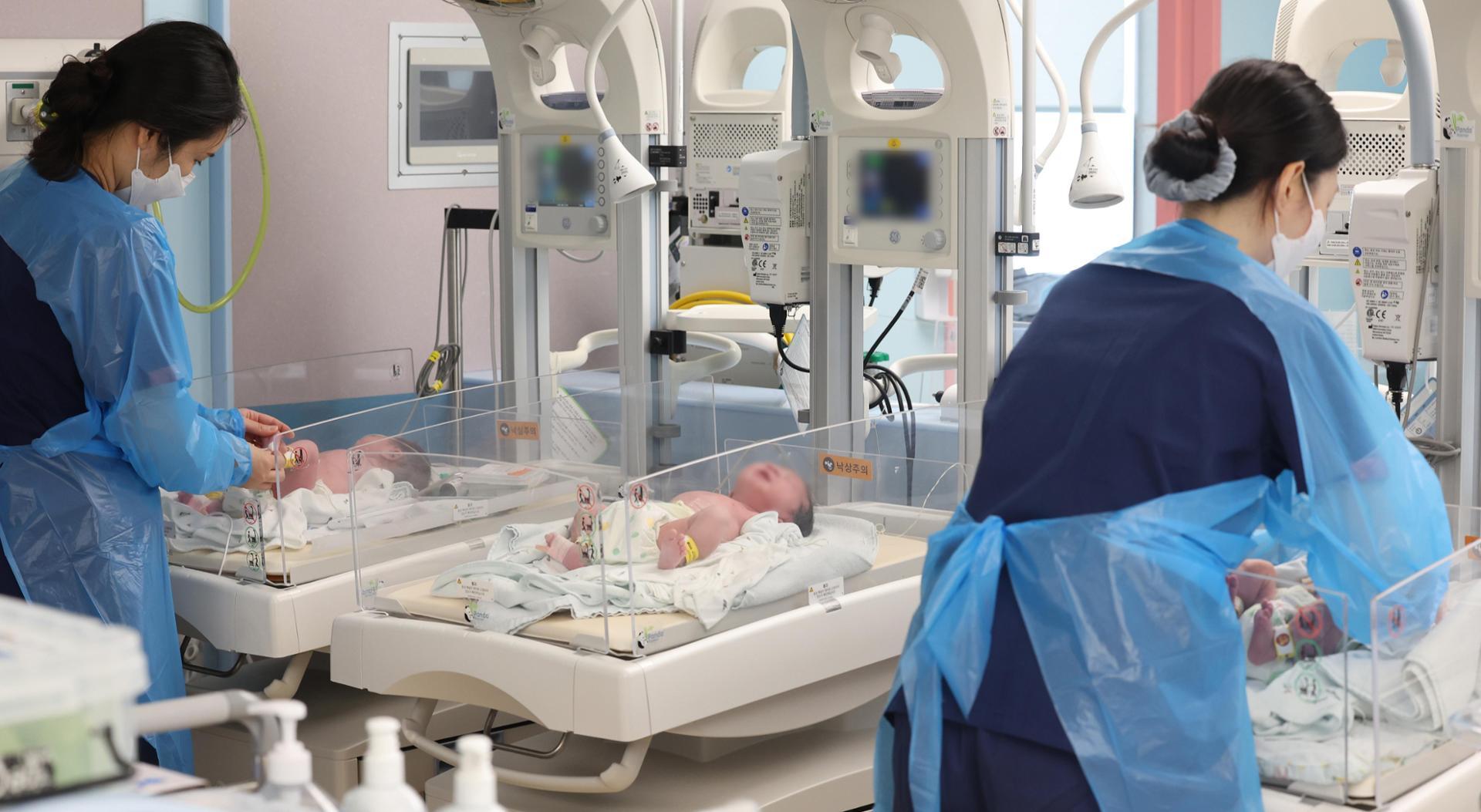
A recent study reveals a significant disparity between the ideal and actual number of children among Koreans. According to the survey conducted by the Presidential Committee on Ageing Society and Population Policy, 71% of respondents considered having two or more children as their ideal number. This preference was derived from a poll of 1,000 men and women aged 20 to 49, conducted from November 3 to 14 last year.
However, when it came to actual numbers, the results were starkly different. Forty-four.9% of respondents said they had one child, while 27.1% planned or had two. Over a quarter of the participants indicated they had no children at all. Despite the discrepancy, the average ideal number of children was calculated to be 1.76, while the average actual or expected number was found to be 1.07.
The discrepancy between the ideal and actual numbers was primarily attributed to financial constraints, with 40.4% of respondents citing this as the main reason for having fewer children than desired. Additionally, 37.5% of those with more children than their ideal number reported receiving strong family support as the reason.
Written by urgent.news from The Korea Times's reporting — not their text. Machine-written — may contain errors; check the original before relying on it.
This story
This is one outlet's version. Read the fullest account.
- Number of Koreans not eating kimchi on rise: data koreatimes.co.kr
- Study shows gap between ideal, actual number of children among S. Koreans en.yna.co.kr