Permanent makeup removal explained as more people reverse cosmetic tattoos
Permanent makeup once promised effortless beauty, but experts explain why more people seek removal, what laser treatment involves, and how to heal safely afterwards.
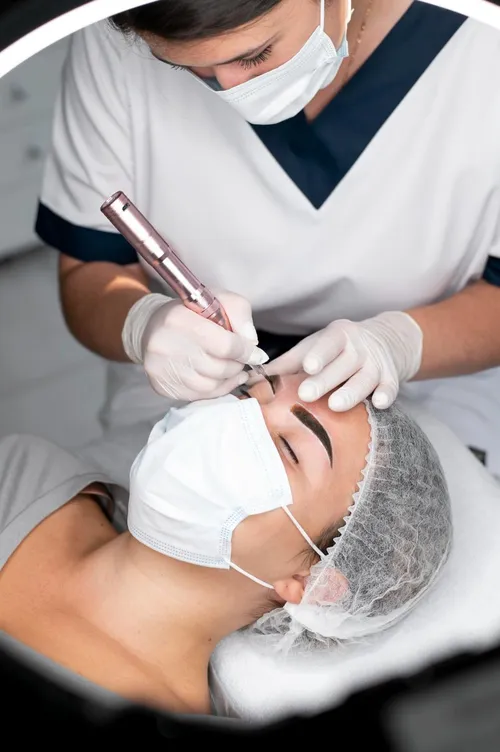
Permanent makeup, also known as cosmetic tattooing, has long been a popular choice for those seeking to enhance their features with a daily touch of makeup. This trend, fueled by social media and the desire for convenience, involves treatments such as microblading, powder brows, and combination brows to create fuller, more defined eyebrows and lip blush.
However, as beauty ideals have shifted towards fuller, more natural-looking brows, an increasing number of individuals are now exploring options to reverse these cosmetic tattoos.
Dermatologists report a growing demand for permanent makeup removal, driven by factors such as colour changes, concerns about colour and shape, and the desire to correct or remove tattoos that no longer suit the wearer's face. A study found that the primary reason for seeking removal is colour changes, followed by issues with colour and shape.
Dr Alek Nikolic, a specialist in aesthetic medicine, cautions against the misconception that permanent makeup can be erased in a single treatment. Laser sessions, typically ranging from three to six, spaced six to eight weeks apart, are often required, depending on factors such as pigment depth, colour, skin tone, and the body's ability to clear the broken-down pigment.
The removal process involves multiple laser treatments, with each session taking about seven to 14 days to heal, during which the skin may appear mildly burn-like, with redness, swelling, and warmth. Temporary whitening and crusting are also common. People with deeper skin tones may experience temporary lightening or darkening around the treated area.
It is crucial to avoid picking at flaking skin, as it can lead to scarring and pigment irregularity. People with darker skin tones may also notice temporary lightening or darkening around the treated area, necessitating tailored laser settings.
Recovery after each session is less about active skincare and more about protecting the skin. Gentle, fragrance-free cleansers and simple moisturising balms are recommended during the first week, while avoiding retinoids, exfoliating acids, vitamin C, facial scrubs, and other potentially irritating products is essential. Once the skin has healed, ingredients like ceramides, panthenol, niacinamide, and hyaluronic acid can help strengthen the skin barrier, improving its tolerance to future treatments.
Not all disappointing cosmetic tattoos require correction through additional pigment. If the pigment has turned grey, orange, or blue, or has migrated beyond the original design, medical assessment is recommended. Correction by layering more pigment is generally not advisable, as it can make eventual removal more challenging. Medical issues such as persistent itching, swelling, lumps, signs of infection, or a history of keloid scarring should be addressed by a professional.
Skincare plays a vital role in the post-treatment healing process. Barrier-repair ingredients such as ceramides, niacinamide, and hyaluronic acid help restore hydration and improve skin quality between laser sessions. Chemical peels can be beneficial for overall skin quality, but their timing must be carefully considered. While skincare cannot remove remaining pigment, it can support the skin's recovery and healing between treatments.
Written by urgent.news from IOL's reporting — not their text. Machine-written — may contain errors; check the original before relying on it.