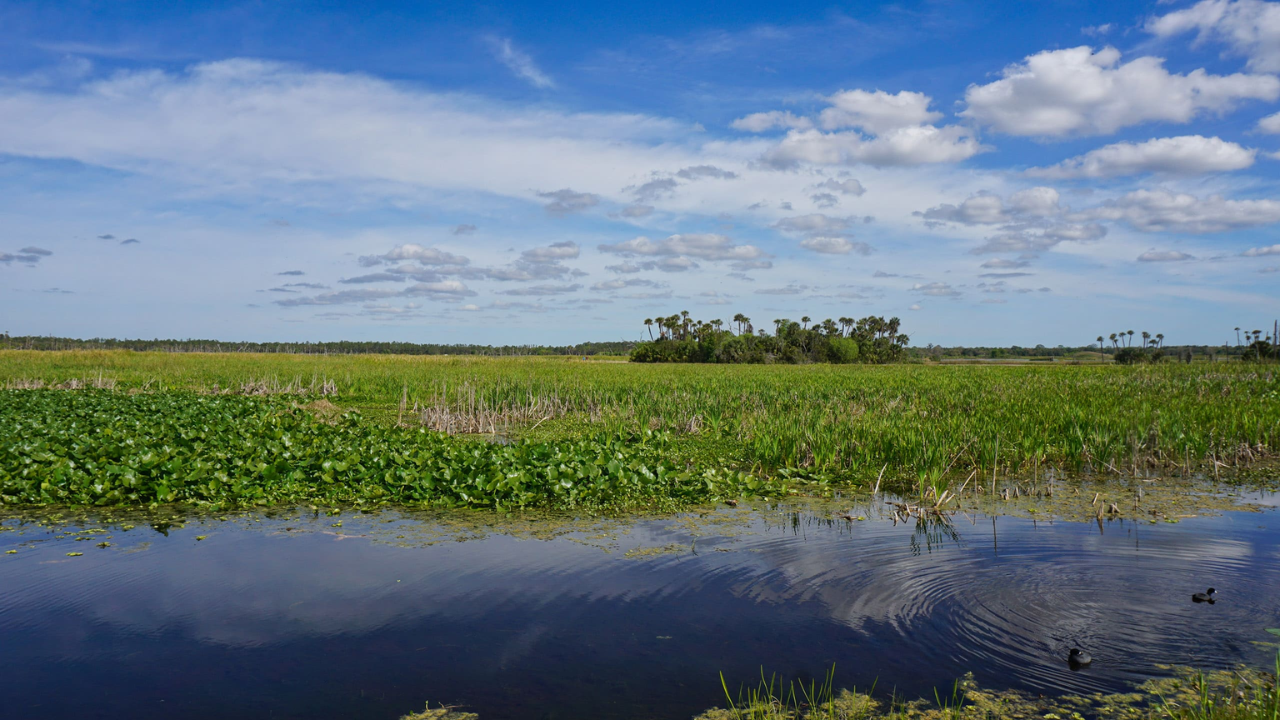
'Now our lives have changed': Drop in coal burning is helping the African Sahel turn green after decades of drought
Warming has brought extreme rain to the parched Sahel, which is seeing aquifers refill as monsoons grow stronger. But heavier downpours alone cannot explain the groundwater revival, say hydrologists, who believe efforts to harvest rainfall may also be paying dividends.
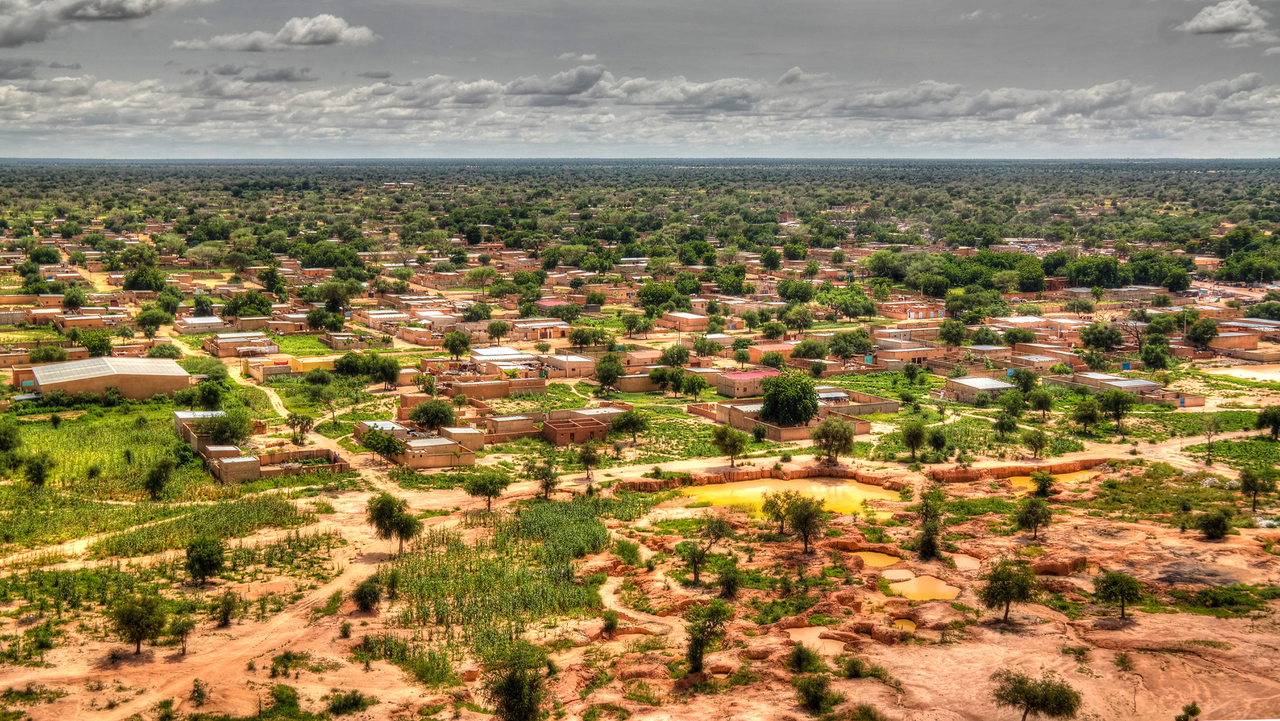
The African Sahel, once synonymous with drought and famine, is experiencing a transformation as water levels rise and farms flourish. In recent decades, the region has seen a decline in underground water reserves, but this trend is reversing. Wells are filling, and Lake Chad, once a massive body of water, is recovering. Erratic but intense rainfall patterns have returned, causing both devastating floods and replenishing rivers and aquifers. This change began in the 1990s but has accelerated over the past five years.
The revitalization of the Sahel is attributed to a combination of factors. The Great Green Wall project, aimed at restoring vegetation across the region, plays a significant role. Additionally, traditional water harvesting methods have been revived, and the abandonment of irrigation projects due to political unrest has contributed to the increased water storage. Climate scientists predict that more extreme rainfall will continue in the 21st century, leading to a long-term trend of increased rainfall in the Sahel.
The transformation has brought about positive changes for local communities. Farmers are nurturing new trees on their land and cultivating crops on previously dry fields. In Chad, for example, a farmer named Achta now has water to plant on four times as much land, doubling her onion crop. The World Bank's PROLAC program is supporting small-scale irrigation systems by tapping into groundwater reserves around resurging oases in Chad, Niger, and Cameroon.
The Sahel, a band of semi-arid land stretching across North Africa, is on the verge of a new humid era. The increasing rainfall and improved water availability have led to a resurgence of wildlife, with populations of aardvarks, porcupines, badgers, foxes, and even the scimitar-horned oryx recovering. The revival of the rains has also benefited agriculture, with crop yields improving and farmers able to cultivate larger areas.
In summary, the African Sahel, previously known for its drought and famine, is experiencing a significant shift as water levels rise and agricultural production improves. This transformation, driven by a combination of factors including the Great Green Wall project, traditional water harvesting methods, and changes in rainfall patterns, offers hope for the future of the region and its inhabitants.
Written by urgent.news from Live Science's reporting — not their text. Machine-written — may contain errors; check the original before relying on it.