'Not afraid to stay': The Canadians taking fighting wildfires into their own hands
With wildfires now widespread and frequent, some rural residents in Canada are learning how to fight the flames themselves and protect their own homes.
Hubert Wigwas, a councillor from Gull Bay First Nation in northern Ontario, chose to stay behind when a wildfire broke out near his community. He took measures to protect his home, such as installing sprinklers on his roof, checking on elderly residents, and preparing four boats for potential evacuation. Wigwas, who sees his 58 years of hard work at stake, refuses to let the flames consume his home.
Canada has been experiencing increasingly destructive wildfire seasons, with 2023 being the most devastating on record. Over 750 wildfires are currently active across the country, with smoke impacting the US Midwest. This has sparked a national conversation about the adequacy of firefighting resources and how remote communities can better protect themselves.
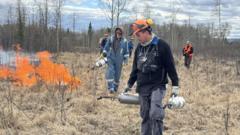
Wigwas, along with other First Nations leaders, is advocating for the establishment of local wildfire emergency response systems and training residents in fire safety. In British Columbia, a province already on the frontlines of Canada's wildfire response, communities are taking proactive steps to combat the growing threat. Local organizations are training residents in firefighting techniques and implementing prescribed burns to reduce fuel loads.
Sonja Leverkus, a wildfire specialist, has trained over 400 people in her community to respond to wildfires, emphasizing the need for more trained professionals to handle the increasing frequency and intensity of these events. She believes that with the right training and resources, remote communities can effectively protect their homes and lives even when faced with overwhelming odds.
Written by urgent.news from BBC Science's reporting — not their text. Machine-written — may contain errors; check the original before relying on it.