Maharashtra allows some homeopathic doctors to prescribe modern drugs: Reasons, pitfalls
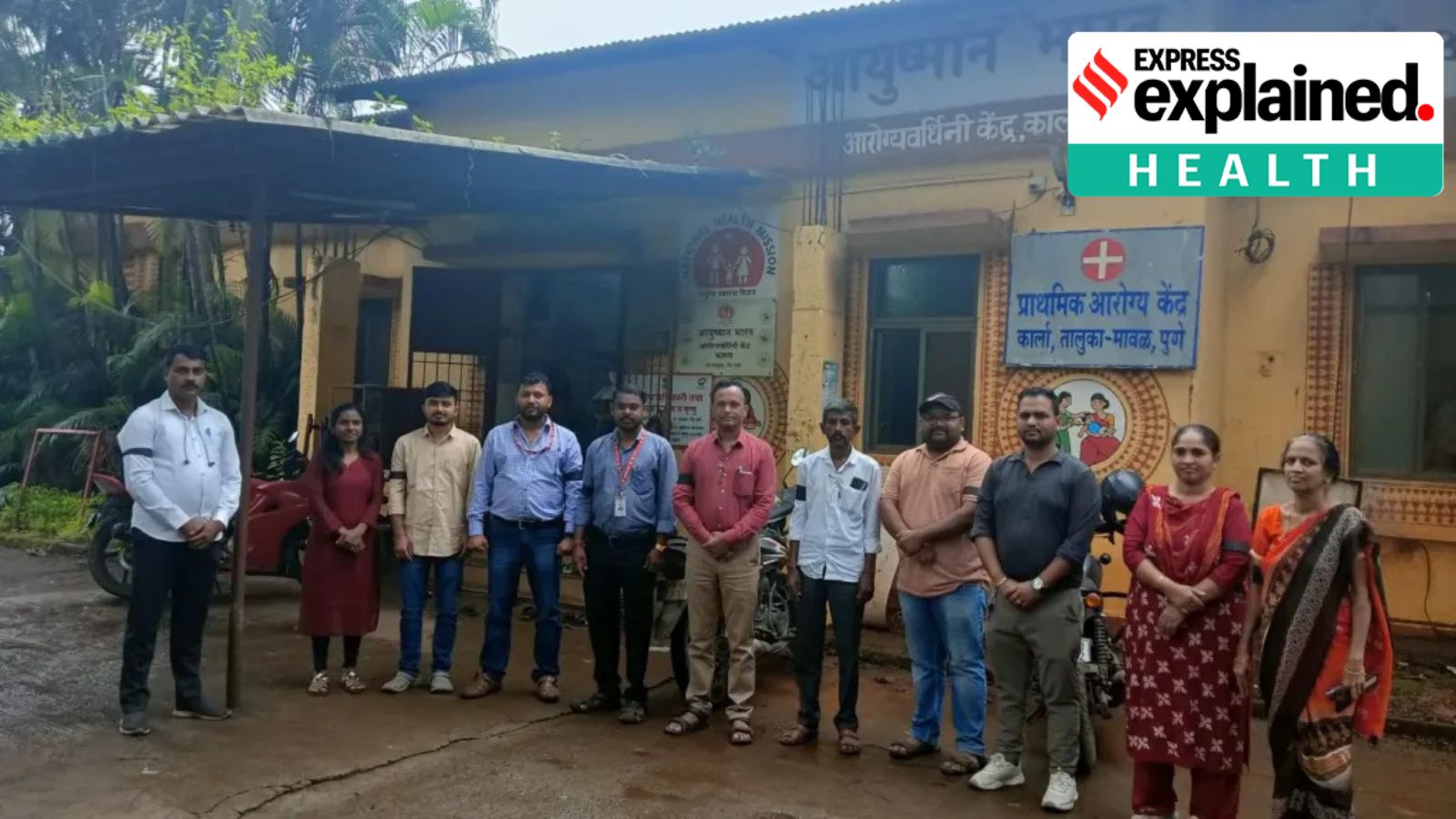
In Maharashtra, some homeopathic doctors have been granted permission to prescribe modern drugs following a one-year bridge course in modern pharmacology. The decision, which was made after Dr Neha Siddharth Pawar became the first homeopathy practitioner to be registered in the state's allopathic Maharashtra Medical Council (MMC), has sparked controversy and protests.
Despite the Bombay High Court intervening and ordering the registration to proceed, the issue continues to be a contentious one, with both homeopathy and modern medicine practitioners opposing it.
The 2014 amendment to the Maharashtra Medical Commission Act enabled the registration of homeopaths who completed the bridge course under the same register as allopathic doctors. This move has been criticized by both homeopathic and allopathic practitioners, who argue that it creates a shortcut for students who wish to study modern medicine but were unable to secure a spot in those courses.
Dr Tarakeshwar Jain, chairperson of the National Commission for Homeopathy, stated that it would only disadvantage those who genuinely wish to pursue modern medicine.
The amendment has also been challenged in court, with the 2014 amendment's supporters citing a shortage of doctors as the primary reason behind it. However, it is believed that the real motive behind the decision was to allow homeopathy colleges to prescribe allopathic medicines like modern medicine colleges in India. Dr Pravin Shingare, former head of the Maharashtra Department of Medical Education, revealed that colleges offering homeopathy courses expressed their desire to follow suit but were unable to convince the central council responsible for regulating the practice.
Homeopathy colleges then attempted to convince the state council, which maintained that changes to the course had to be approved by the central council. Eventually, the government intervened and suggested a one-year bridge course in modern pharmacology.
Nationwide, practitioners of modern medicine, Ayurveda, and homeopathy are only permitted to practice within their respective 'pathies' after being registered in their respective councils. However, some states, like Maharashtra and Uttar Pradesh, have allowed practitioners to prescribe limited allopathic medicines for common ailments found in primary health centers. Homeopathy practitioners, on the other hand, are discouraged from prescribing allopathic medicines, as per the national council.
The admission and course structure for modern medicine and Indian system courses are similar, with both requiring admissions through the national selection test, NEET-UG. However, the top scorers tend to opt for modern medicine. All three courses share common subjects, such as anatomy, which sets them apart. Despite these similarities, the practice of mixopathy (the practice of both homeopathy and allopathy) is being revived in Maharashtra through the newly granted registration for homeopathic practitioners in the allopathic register, a decision that has drawn criticism from both sides of the medical community.
Written by urgent.news from The Indian Express's reporting — not their text. Machine-written — may contain errors; check the original before relying on it.