Made At IIT Indore, Chip-Design Tool AspireHLS Goes Global, Downloaded In 60+ Countries
Indore (Madhya Pradesh): The Indian Institute of Technology (IIT) Indore has built a new product/software tool called AspireHLS that helps engineers design the electronic chips found inside everyday devices like smartphones, cameras and music systems—faster and with less manual effort than before. The product was created by Prof Anirban Sengupta and his team at the Hardware Security and…
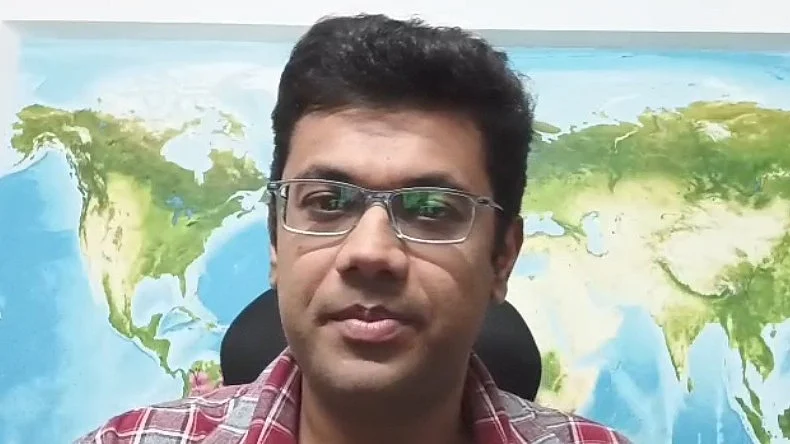
Indore, Madhya Pradesh: The Indian Institute of Technology (IIT) Indore has developed a groundbreaking tool called AspireHLS to simplify the process of designing electronic chips for common devices such as smartphones, cameras, and music systems. Created by Prof Anirban Sengupta and his team after ten years of research, AspireHLS is now freely accessible to students, researchers, and companies worldwide.
Just months after its release, the tool has been downloaded by users in over 60 countries, spanning the Americas, Europe, Asia, and Africa, highlighting its global appeal. Designing electronic chips is akin to constructing a complex machine, involving a lengthy translation process from initial design to a manufacturer-ready blueprint.
AspireHLS streamlines this process by automatically converting a chip design into a detailed blueprint while optimizing the balance between chip size and speed. This capability is particularly valuable for devices that require rapid data processing, such as those in signal processing and multimedia systems. Unlike expensive commercial products or limited academic prototypes, AspireHLS offers a comprehensive, free solution.
Prof Suhas Joshi, Director of IIT Indore, emphasized the institute's dedication to creating globally relevant technologies, noting the tool's widespread adoption within the first short months of its release. Prof Sengupta explained that AspireHLS is an end-to-end High-Level Synthesis tool designed for digital hardware systems used in data-intensive applications like digital signal processing and multimedia.
It accepts high-level intermediate representations from C code or transfer functions, providing unique features not found in other synthesis tools.
Written by urgent.news from Free Press Journal's reporting — not their text. Machine-written — may contain errors; check the original before relying on it.