The Blue March of Ceuta reveals gaps in the EU and discontent in Morocco
The migratory avalanche underlines internal discontent in the Maghrebi country, Spain's and the EU's vulnerabilities, and leaves as a legacy a potential humanitarian crisis with thousands of minors roaming the streets.
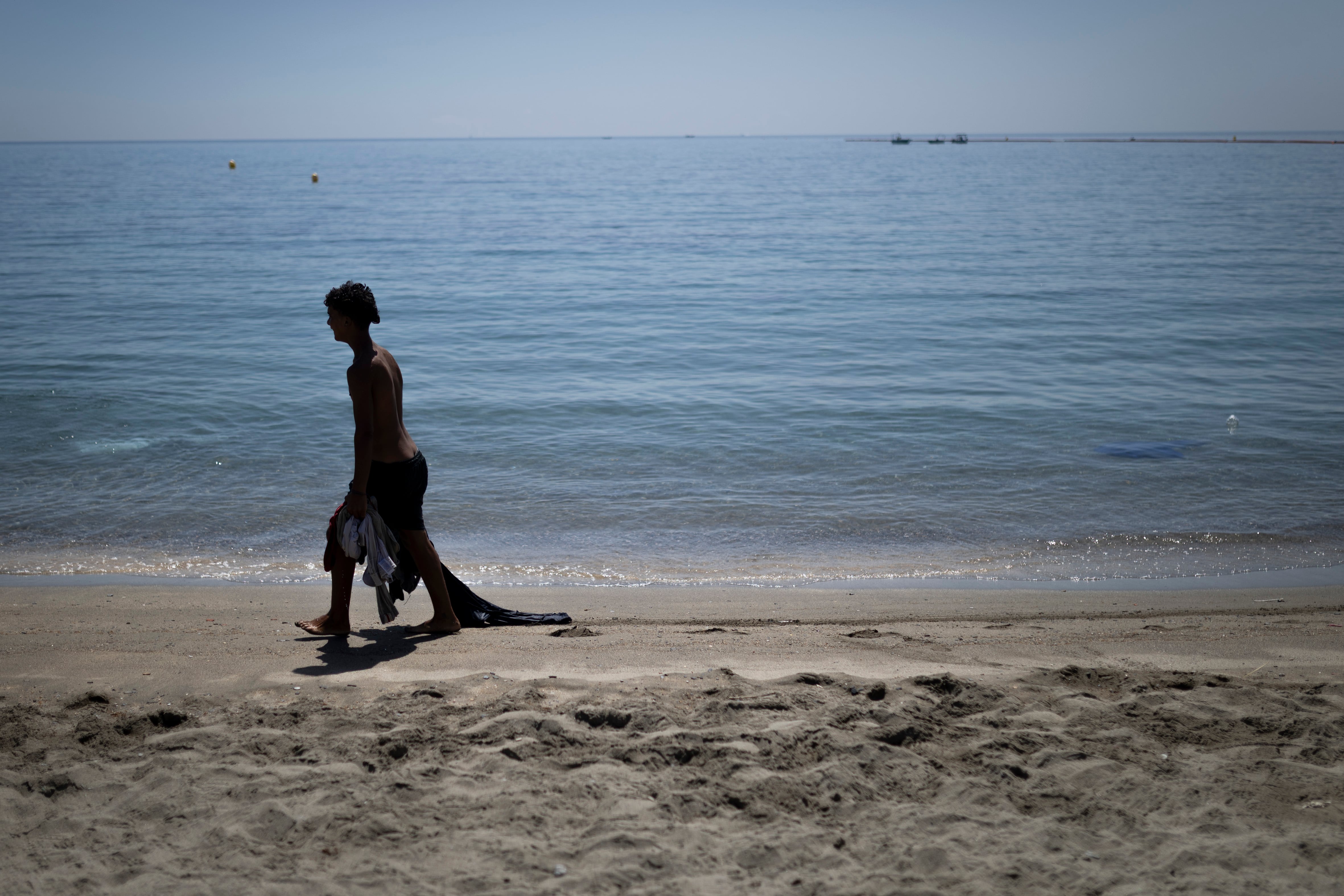
Exile is one of the names of the journey. More than 70,000 people embarked on that uncertain journey in the last days of July and risked their lives in Ceuta to try to achieve the precarious status of emigrants in Europe. The population of that Spanish enclave in North Africa doubled for a few hours and set off all alarms. That unprecedented and massive Blue March, in search of the Mediterranean and the European flag, surprised the Moroccan, Spanish and EU authorities.
It was a lethal crisis: at least 142 migrants died in the attempt. And ephemeral: around 2,000, if one is to trust the figures from the Interior Ministry, remain in Ceuta; 70,000 have already left back due to hunger, due to the realization that jumping into the Old Continent was impossible, who knows if for something else. The bulk of that episode would be solved, say the chroniclers in Madrid.
But a good crisis is like Schrödinger's cat; one never knows if it is alive or dead. The Ceuta border, crowded with police and military, denies any aspiration to return to normalcy. And the streets of Ceuta tell another story: a swarm of young people, at least around 5,000, remains there defying official statistics, in addition to a few hundred Sub-Saharan Africans.
They have gone hungry. They sleep in parks, on beaches, in some precariously adapted industrial buildings, with that air of a military camp, almost a concentration camp.
Translated by urgent.news. Machine-written — may contain errors; check the original before relying on it.