Indian Politics Needs Far-Reaching Reforms, Not Whimsical Fixes
The Supreme Court Bench hearing the dispute between Shiv Sena factions in Maharashtra has made certain observations regarding the relationship between elected legislators and the political party which nominated them as candidates for elective office. According to media reports, the bench commented that a group of legislators cannot override the official directives of the parent political party…
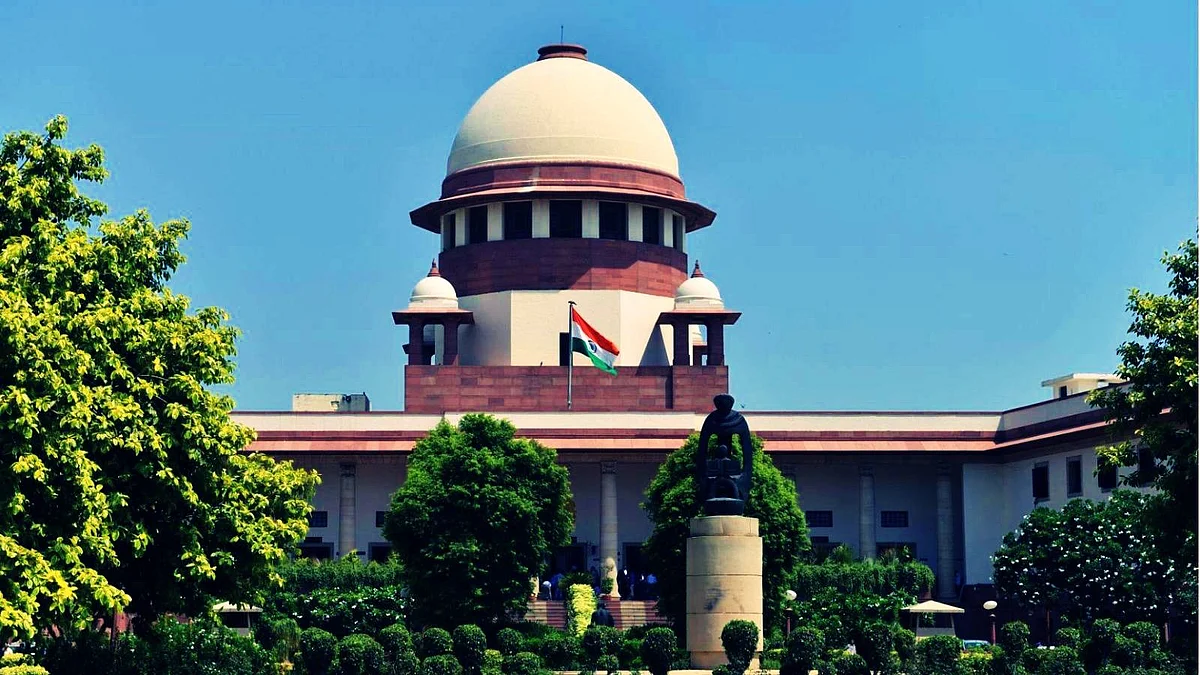
The Supreme Court has issued a caution regarding the relationship between elected legislators and their political parties in India. The bench emphasized that legislators cannot disregard the directives of their party simply due to holding a majority in the legislative assembly. This observation touches upon the broader issue of the state of Indian politics and the need for significant reforms.
Over the past 75 years, it is evident that many elected legislators have fallen short of expectations. The trust placed in these representatives by the public has often been betrayed. There is a pressing need for comprehensive political and governance reforms to ensure that democracy serves the citizens rather than a select few seeking power.
The current electoral system, rule of law, and legislative functioning require substantial overhaul. However, strengthening the autocratic control of already established oligarchies within political parties is not a viable solution. This approach only reinforces the contempt prevalent for the electoral process and elected legislators.
Michael Dummett, a renowned philosopher and expert on electoral reform, aptly described the inherent flaw in political parties. These organizations, while seemingly integral to democratic systems, often operate as conspiracies that compel parliamentary representatives to vote in unison, regardless of their individual opinions. While this collusion may benefit those involved, it ultimately undermines the principles of democracy.
In reality, political parties are inherently problematic. They entrench autocracy and stifle genuine public debate, making it difficult for new ideas to emerge. The first-past-the-post electoral system further exacerbates this issue, allowing only those nominated by dominant parties to have a realistic chance of winning. This centralization of power within parties often results in the emergence of dynasties, oligarchies, or coteries that dominate nominations, expel dissenting members, and control unaccounted funds.
The legislature, as the only body with the consent of the people, has become emasculated at the altar of political parties. This emasculation has led to a weak, discredited, and dysfunctional democracy. Numerous instances of party oligarchies prioritizing narrow political or personal interests over the public good have been observed, such as in the cases of the PV Narasimha Rao government, the Manmohan Singh government's Indo-American Nuclear Agreement, and the forced passage of the Muslim Women's Bill by the Rajiv Gandhi government.
In the context of the Shiv Sena case currently under scrutiny by the Supreme Court, the issue stems from the unaccountable and autocratic decisions of a privileged dynastic leadership. The 2014-2019 coalition government between the BJP and the Shiv Sena exemplifies this problem. Both parties sought a renewed mandate from the people in 2019 based on their performance and agenda.
However, the Shiv Sena leadership promptly abandoned the alliance and formed a government with the Congress and NCP, against whom they had won the previous election. This behavior clearly demonstrates the need for internal party democracy and greater freedom for elected legislators to voice their opinions and vote according to their conscience.
Written by urgent.news from Free Press Journal's reporting — not their text. Machine-written — may contain errors; check the original before relying on it.