Ikechukwu Christopher: Adeola Ajayi and the quiet reinvention of Nigeria’s intelligence community
For decades, the relationship between Nigeria’s intelligence community and the media has been defined by suspicion. Security agencies have viewed journalists as potential conduits for sensitive information, while journalists have often seen the security establishment as an institution too willing to invoke national security to restrict legitimate scrutiny. It is a difficult relationship, but in…
In recent years, the dynamics between Nigeria's intelligence community and the media have undergone a notable transformation. Historically, security agencies viewed journalists as potential conduits for sensitive information, while journalists perceived the security establishment as overly inclined to invoke national security to curtail legitimate scrutiny.
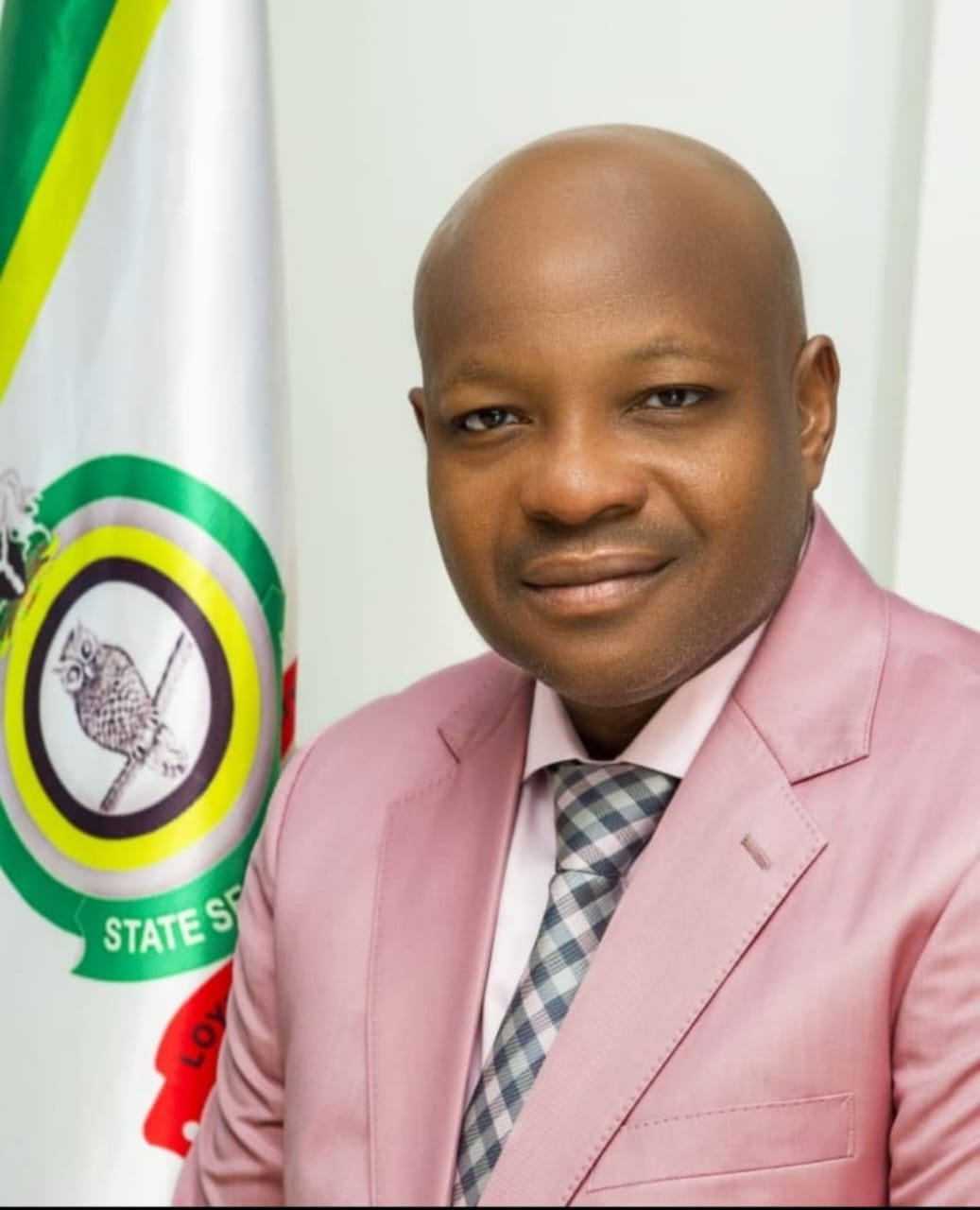
Nevertheless, a shift in philosophy appears to be taking hold, spearheaded by the Director-General of the Department of State Services, Adeola Oluwatosin Ajayi. Since his inauguration in August 2024, Ajayi has championed a new approach to intelligence leadership, characterized by professional engagement, preventive intelligence, community participation, institutional accountability, and a more constructive relationship with the media.
This shift extends beyond Ajayi's individual leadership; it signifies a potential evolution in Nigeria's broader intelligence culture. The change in language and tone within the DSS is a key indicator. Ajayi has consistently emphasized the importance of not treating journalists as criminals for performing their professional duties and has pledged to create a more conducive environment for media operations.
This newfound approach has garnered significant recognition, including awards from the International Press Institute and the Broadcasting Organisations of Nigeria, as well as the Nigeria Union of Journalists' designation of Ajayi as their Man of the Year for 2026.
President Bola Ahmed Tinubu has publicly endorsed Ajayi's direction, praising the DSS chief for changing the narrative surrounding the media and urging other security agencies to adopt a partnership-based relationship with journalists. However, the transformation extends beyond mere statements. Ajayi has increasingly prioritized intelligence-led and preventive security approaches, along with stronger community engagement and cooperation with various stakeholders.
He argues that communities must become integral to the country's security architecture, given the impracticality of security agencies being omnipresent. This philosophy holds particular importance for an intelligence institution, as it recognizes that information resides not just within government offices but also within communities, traditional institutions, businesses, civil society organizations, journalists, and ordinary citizens.
The DSS's response to instances of mistaken detainment serves as a compelling testament to the new institutional maturity. When individuals were found to have been wrongly detained, the DSS released and compensated them, demonstrating a commitment to aligning national security interests with individual rights. Such actions, though seemingly modest, highlight the agency's willingness to be accountable and responsive when mistakes occur.
This principle should extend beyond the DSS to other security agencies, ensuring that the pursuit of national security does not compromise individual liberties.
The emergence of Ajayi's philosophy is most consequential in the media relationship. Historically, the interaction between journalists and security officers was adversarial, with each side viewing the other through a lens of suspicion. The journalist asked, "What are they hiding?" while the security officer pondered, "What are they going to publish?"
This adversarial dynamic has the potential to harden into permanent distrust. However, the alternative is not to silence either party but to foster a professional partnership. Under Ajayi's leadership, the National Security Summit jointly organized by the NUJ and the DSS exemplifies this shift, bringing together journalists, security officials, policymakers, academics, and civil society actors to discuss how security and responsible journalism can coexist constructively.
While the media must remain independent and exercise its watchdog responsibilities, accountability and constructive engagement are essential for a robust relationship. By embracing this philosophy, Nigeria's intelligence community can enhance its legitimacy and effectiveness, thereby contributing to the country's overall security and democratic progress.
Written by urgent.news from Daily Post Nigeria's reporting — not their text. Machine-written — may contain errors; check the original before relying on it.