I kept waking up at 3 a.m. with racing thoughts — now I fall back asleep in seconds thanks to this expert-backed method
The 'fake blink' method is a simple way to calm busy thoughts and help you feel tired. It helped me fall asleep fast after waking up at 3 a.m. — and here experts explain why.
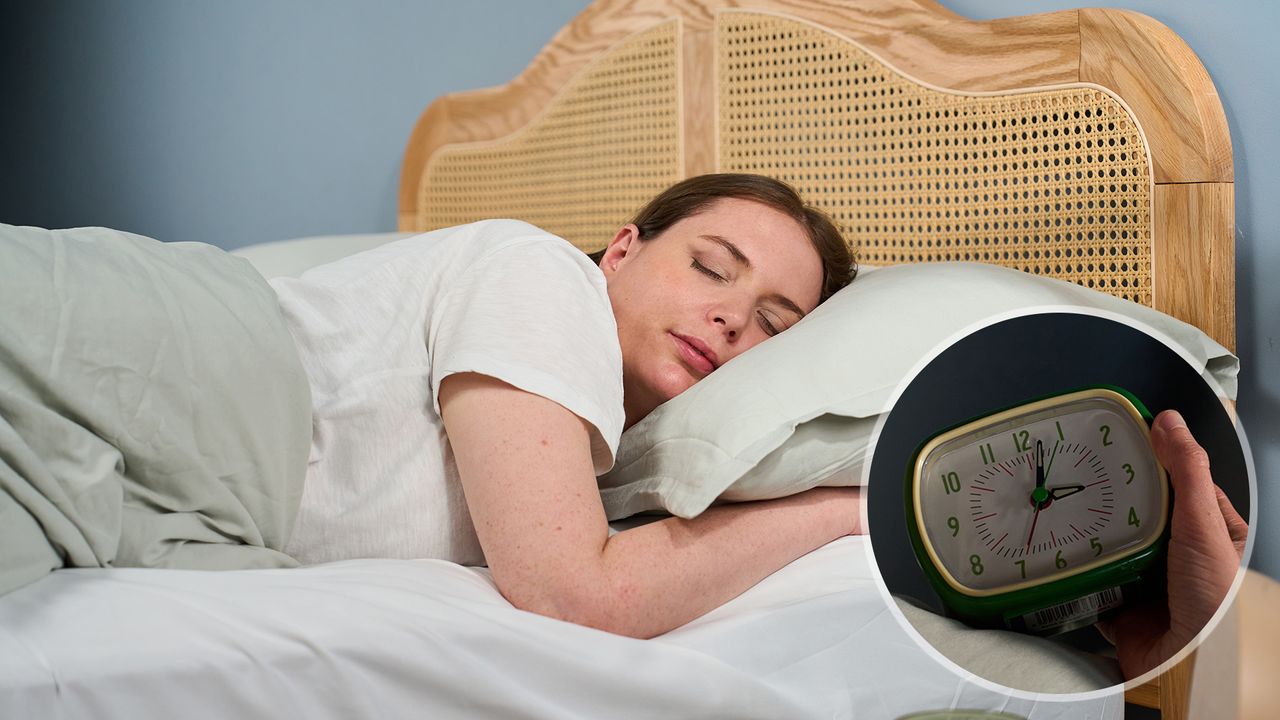
At 3 a.m., your mind refuses to quiet down, leaving you restless and wide awake. A sleep expert's intriguing trick called the "fake blink" aims to stop your brain's racing thoughts, helping you drift back to sleep. It only takes 30 seconds to execute, and many have reported success on their first try. To understand why a simple "fake blink" can be the answer to middle insomnia, experts share their insights.
Waking up at 3 a.m. can leave you tired but wired – your body is ready for sleep, but your brain remains alert. Implementing a soothing cognitive technique allows you to relax and swiftly halt the arousal in your brain, increasing the likelihood of falling asleep quickly again.
The "fake blink" method is incredibly straightforward. Get comfortable in bed, close your eyes, and open them again. Repeat this process for around 30 seconds or until you feel drowsy. Dr. Lori Bohn, Medical Director at Voyager Recovery Center, explains that this technique mainly causes physical tiredness in the eyelid muscles by creating both physical and mental distraction.
There are three variations of the "fake blink": slow blink, shortened blink, and reverse blink. Each variation works to promote relaxation and decrease mental arousal, contributing to a quicker return to sleep.
Dr. Shelby Harris, a sleep expert at BetterSleep, notes that the "fake blink" technique doesn't directly trigger the biological processes that cause sleep. Instead, it promotes relaxation and reduces mental arousal, which are essential for naturally falling asleep. The act of blinking itself doesn't cause sleep, but it can help create a more conducive environment for sleep to occur.
There are additional methods to try when you find yourself wide awake at 3 a.m. Experts recommend evidence-based habits such as maintaining a sleep schedule and limiting screen time and stimulating activities before bed. However, when you're awake in the middle of the night, consider these expert-approved techniques:
1. Cognitive shuffling: Choose a word and think of as many words as possible that start with each letter of that word. This repetitive task has a low mental load and helps you drift off again.
2. 4-7-8 breathing: Breathe in for 4 seconds, hold for 7 seconds, and exhale for 8 seconds. This slow-down for the nervous system helps reduce anxiety.
3. The 15-minute rule: If all else fails, get out of bed and sit in another room. Use dim lights and engage in a calming, distracting activity (like reading or stretching). This breaks the association between your bedroom and stress, helping you return to bed when tired again.
Written by urgent.news from Tom's Guide's reporting — not their text. Machine-written — may contain errors; check the original before relying on it.