How coordinated currency buying interventions work
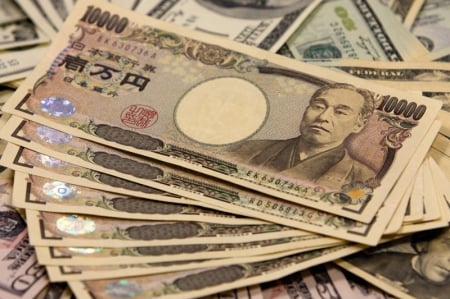
Coordinated currency buying interventions involve multiple governments purchasing an underperforming currency at the same time, thereby increasing market demand and signaling their commitment to reserve usage, as explained by BofA Global Research. On July 31, Japan and the United States executed a coordinated yen-buying intervention, with their ultimate goal being to push the USD/JPY exchange rate below 155, a threshold previously considered a support level due to prior Japanese interventions' inability to break it.
Japan typically finances its yen purchases using its $1.3 trillion foreign-exchange reserve portfolio, which at the end of June held $162 billion in deposits and $929 billion in securities, a majority of which is believed to be in U.S. Treasuries. Around $283 billion of these securities are expected to mature within a year, generating approximately $27 billion in monthly liquidity through interest income.
However, the recent intervention may have exceeded ¥10 trillion over three trading days, potentially requiring the Ministry of Finance to either sell securities, borrow against its Treasury holdings via the Federal Reserve's FIMA repo facility, or utilize a combination of both methods. The FIMA permit enables foreign monetary authorities to temporarily exchange Treasury securities for dollars, thereby minimizing the necessity for outright bond sales.
Currently, Japan faces a $60 billion counterparty limit, and the relatively high cost of the FIMA facility may restrict its utilization. The U.S. Treasury can finance intervention through its Exchange Stabilization Fund, which holds dollars, Special Drawing Rights, and foreign currencies. Additionally, the Federal Reserve can match Treasury operations, although it is not mandatory to do so.
During the July intervention, Washington reportedly sold euros instead of dollars to acquire yen. Further operations might necessitate direct USD/JPY sales once available euro reserves become limiting. Cooperation between countries enhances the perceived strength of their intervention beyond Japan's reserves and implies the possibility of subsequent actions, such as faster Bank of Japan rate increases or fiscal modifications. Analysts have lowered their year-end USD/JPY forecast to 149 from 152 following the intervention.
Written by urgent.news from Investing.com's reporting — not their text. Machine-written — may contain errors; check the original before relying on it.