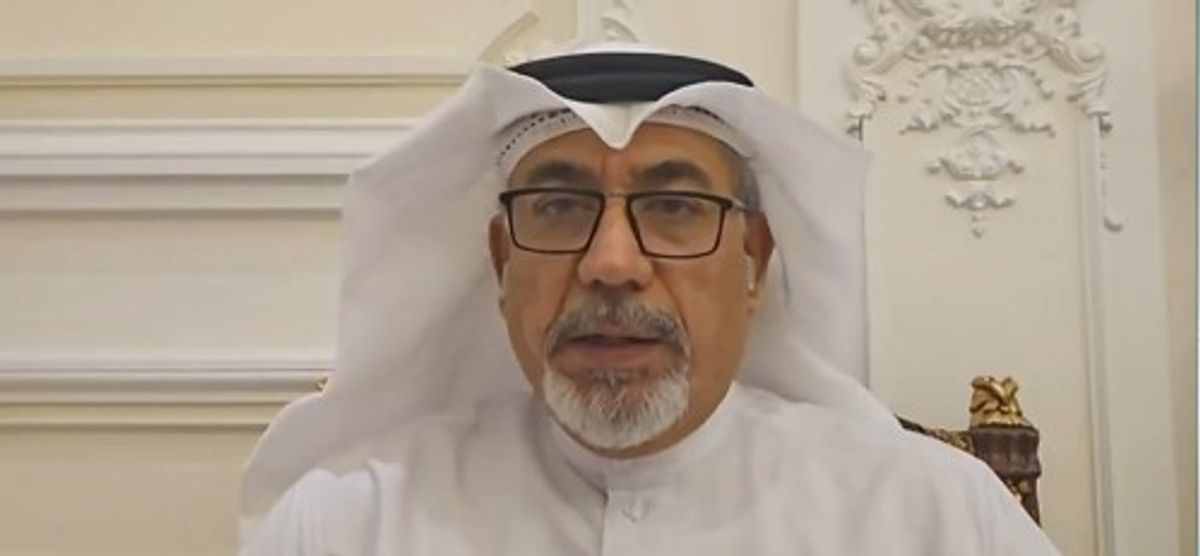
Hormuz Strait reopening not tied to Iran-Oman talks, says IRGC spokesman
The IRGC spokesman said reopening the Strait of Hormuz depends on US actions, not negotiations between Iran and Oman.
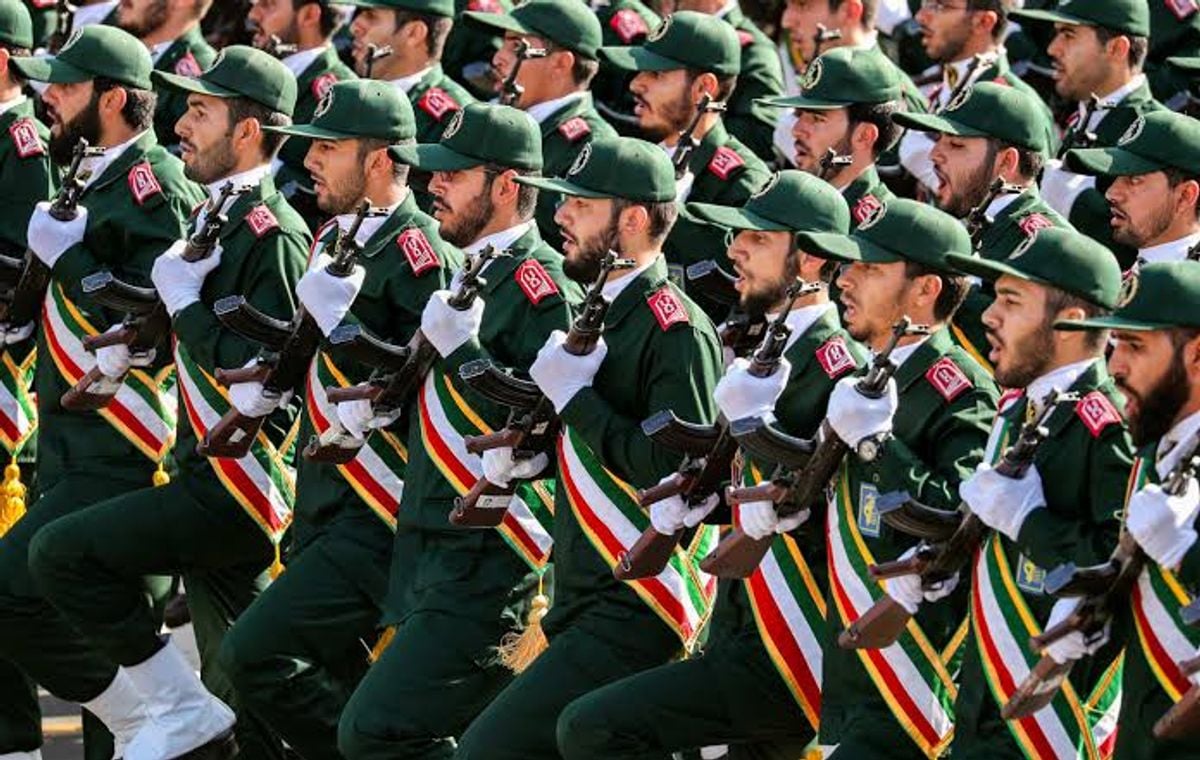
Iranian Foreign Minister Abbas Araghchi announced on Saturday (Aug 8) that discussions on the reopening of the Strait of Hormuz are nearing completion, but emphasized that the strait's re-opening will depend on additional conditions and compensation for the June breaches. The Iranian government has been imposing a de facto blockade of the waterway since the U.S. and Israel attacked Iran in late February.
They are demanding tolls for passage and accusing ships of attempting to bypass their preferred route. This hostility led to the April ceasefire's collapse.
Iranian security chief Mohammad Bagher Zolghadr laid out a series of demands for reopening the strait, including an end to the war and aggression against Iran and its allies in Lebanon, Palestine, Yemen, and Iraq. He also called for the lifting of the U.S. naval blockade of Iran, cessation of sanctions, release of frozen assets, and compensation for wartime damage.
The Revolutionary Guards insisted that Hormuz's reopening has no connection to the Iran-Oman negotiations and accused the enemy of accepting Iran's terms for the strait's opening.
The United Arab Emirates (UAE) foreign ministry condemned Iran's "hostile attack" on a tanker belonging to Abu Dhabi National Oil Company (ADNOC) with a missile while transiting the Strait of Hormuz, resulting in no casualties. The UK Maritime Trade Operations reported a ship hit by a projectile off Oman in the strait, causing a fire that was extinguished but no casualties. ADNOC reported that 15 of its vessels had been attacked in Hormuz since the war began, with three this week alone.
Oman's foreign ministry condemned the repeated attacks on vessels transiting the Strait of Hormuz, urging against actions that might jeopardize the progress of ongoing negotiations. The previous Iran-US deal aimed to serve as a starting point for negotiations on a permanent settlement, stating that Iran and Oman would discuss future arrangements for the strait with other Gulf countries and in line with international law. However, international law generally prohibits tolling in such waterways.
Written by urgent.news from Channel News Asia's reporting — not their text. Machine-written — may contain errors; check the original before relying on it.
This story
This is one outlet's version. Read the fullest account.
- Iran says Oman deal is in 'final stages' but US must act to open Hormuz al-monitor.com
- Middle East live: Iran issues list of demands for reopening Strait of Hormuz france24.com
- Iran says deal on Hormuz is close but not enough to open it dailytimes.com.pk
- Iran issues demands for reopening of Hormuz channelnewsasia.com
- Iran issues demands for reopening of Hormuz bangkokpost.com
- Iran unlikely to ever willingly surrender control over Strait of Hormuz, INSS expert claims jpost.com
- Iran issues demands for reopening of Strait of Hormuz rte.ie
- UAE condemns Iran tanker attack as Hormuz reopening remains uncertain malaymail.com