Health literacy leads to responsible self-care
Your browser does not support the audio element.
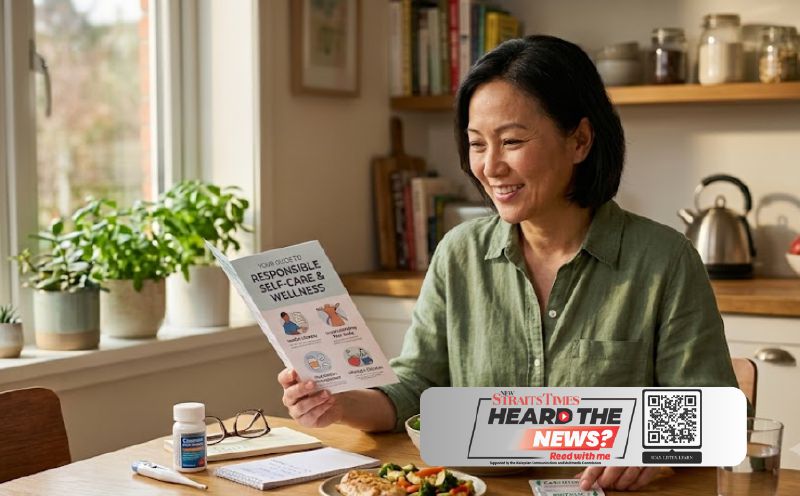
As healthcare systems struggle worldwide, boosting health literacy gains significance in empowering individuals to make informed decisions about their health. Self-care involves promoting health, preventing disease, maintaining well-being and managing health conditions through personal, familial and community efforts, with or without professional guidance.
The World Health Organisation acknowledges self-care measures as vital in achieving universal health coverage, ensuring everyone receives care without financial strain. Rachmadi Joesoef, chairman of the Asia-Pacific Self-Medication Industry (APSMI), highlights that responsible self-care offers substantial benefits to individuals, healthcare systems and economies.
According to the Global Self-Care Federation's Socio-Economic Research 2026 report, responsible self-care saves approximately US$144 billion annually in global healthcare costs, frees up around 2.2 billion physician hours, generates 43.6 billion extra productive days and enhances overall quality of life. When introduced comprehensively, self-care yields a significant return on investment by empowering individuals, supporting communities and offering the best value for financially challenged healthcare systems globally, according to GSCF director-general Greg Perry.
Self-care safeguards limited healthcare worker capacity by enabling people to manage minor ailments themselves, allowing doctors to concentrate on complex cases and freeing up resources. However, APSMI stresses that self-medication does not imply taking medications randomly. Responsible self-care demands sufficient knowledge, such as selecting suitable over-the-counter drugs, comprehending product labels and package information, adhering to instructions for use and identifying signs and symptoms that necessitate consultation with healthcare professionals.
Responsible self-care starts with health literacy. When people possess the knowledge and confidence to appropriately manage minor health issues, they not only enhance their own health outcomes but also enable healthcare systems to allocate resources to patients with more intricate medical needs, according to Joesoef. Strengthening health literacy is a shared responsibility that calls for close collaboration among regulators, healthcare professionals, industry, academia and communities.
Written by urgent.news from New Straits Times's reporting — not their text. Machine-written — may contain errors; check the original before relying on it.