Ghana Statistical Service credits fuel relief, stable cedi for easing inflation pressures
The Ghana government’s temporary petroleum relief measures and a stable exchange rate have helped contain inflationary pressures amid global market volatility. The post Ghana Statistical Service credits fuel relief, stable cedi for easing inflation pressures appeared first on Ghana Business News .
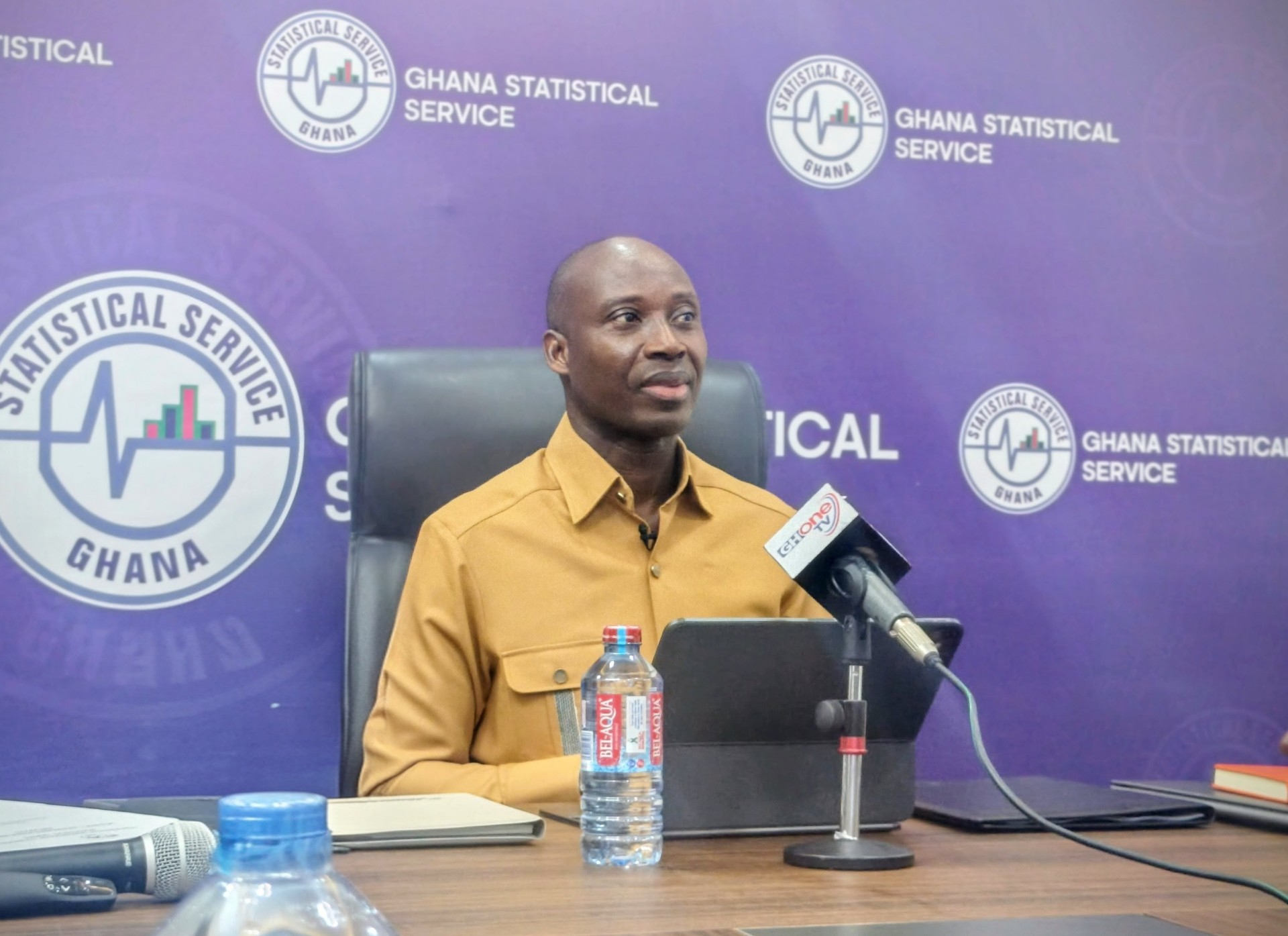
The Ghana Statistical Service (GSS) has highlighted the impact of temporary petroleum relief measures and a stable currency on containing inflationary pressures in the country amid global market volatility. Government Statistician Dr Alhassan Iddrisu explained that these measures have cushioned households and businesses from international crude oil price fluctuations that could have triggered higher transport fares and prices of goods and services.
Dr Iddrisu detailed the government's introduction of a one-month fuel relief in April 2026, temporarily absorbing GH¢2 per litre on diesel and GH¢0.36 on petrol, followed by a reduction in diesel support to GH¢1.07 for two months, and restoration in August. The Finance Minister, Dr Cassiel Ato Baah Forson, reported that the cedi had stabilized and maintained its 2025 gains into the first half of 2026, which helped anchor inflation at 5.3%.
Dr Iddrisu emphasized that the targeted government intervention shielded consumers from the impact of increased international crude oil prices, which had surged from around $80 per barrel to over $100 due to the Middle East conflict. He noted that the stable exchange rate positively influenced the costs of imported spare parts for transportation, thereby moderating inflation.
Dr Iddrisu cautioned that while short-term subsidy measures offer relief to fixed-income earners, their long-term effectiveness hinges on the sustainable integration of local transport logistics and overall fiscal health. He urged policymakers to consider the long-term structural benefits of petroleum relief in the energy and transport sectors, advocating for investments in domestic food storage, agricultural logistics, and transit infrastructure to reduce reliance on emergency subsidies.
Dr Iddrisu concluded by advising both households and commercial enterprises to factor in transportation cost dynamics when planning expenditures, stressing the importance of statistical data in tracking economic changes. The GSS remains committed to delivering objective, timely, and transparent data to aid economic analysis and assess the impact of fiscal measures on public welfare.
Written by urgent.news from Ghana Business News's reporting — not their text. Machine-written — may contain errors; check the original before relying on it.