From the Opinions Editor: Anthropic is destroying books to make data. For the reader, an existential challenge
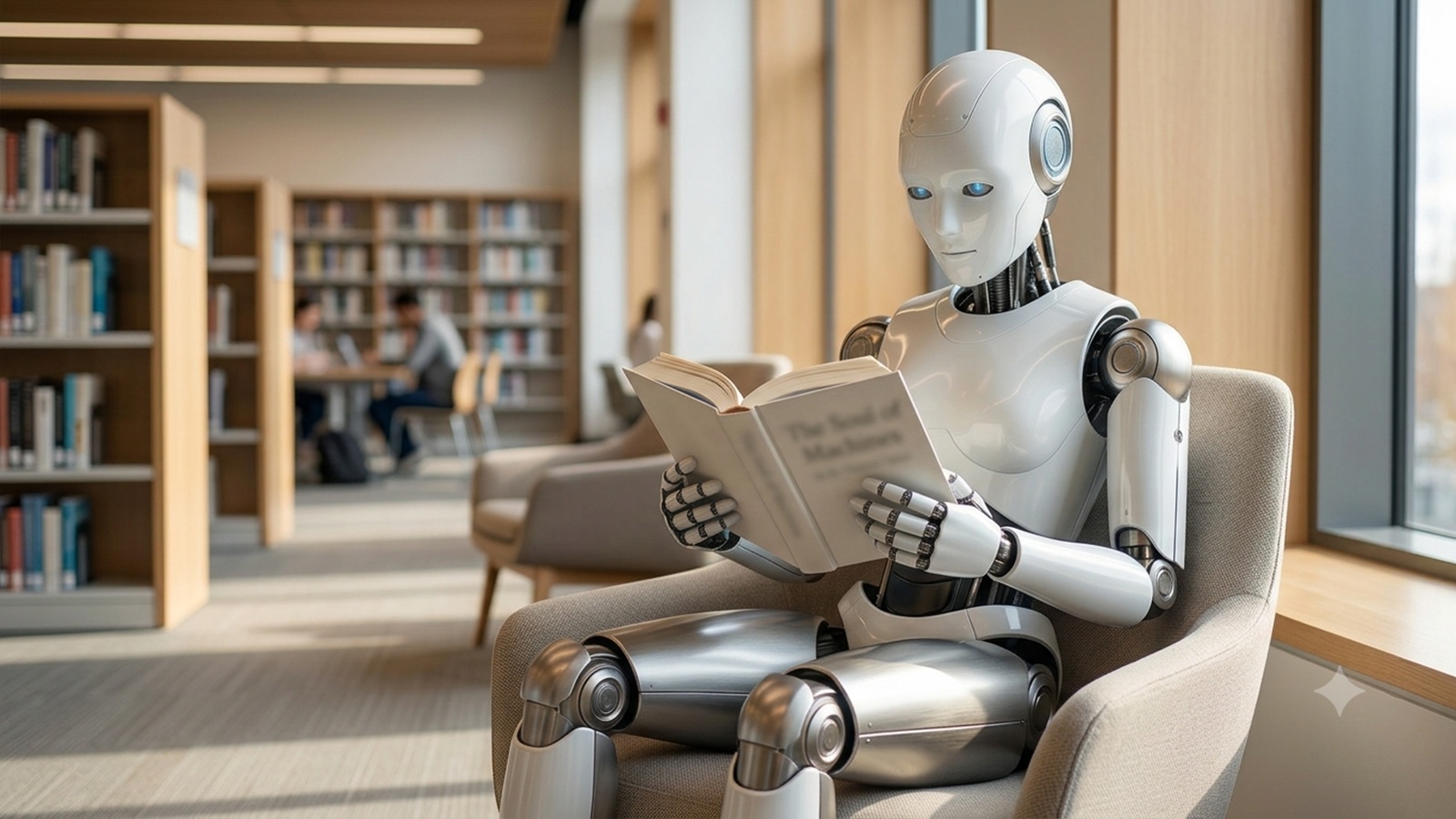
The Opinions Editor raises a critical question about the implications of AI companies acquiring and destroying books to create data for machine learning. The example of Anthropic's Project Panama, where thousands of printed books were digitized and then discarded, highlights a fundamental shift in the relationship between the reader and the written word.
No longer is the book a work to be experienced and understood, but merely a source of information to be extracted and manipulated by a machine. This process disrupts the social role of the printed world, where books have long served as catalysts for debate, dissent, and the formation of intellectual communities. The AI-driven approach risks reducing the book to a mere statistical memory, stripping it of the human elements that made it valuable to individuals like the 16th-century miller Domenico Scandella Menocchio, whose unorthodox thoughts led to his persecution by the Inquisition.
As AI continues to expand access to knowledge, it also alters the ways in which we engage with it. Instead of following an author's argument through the pages of a book or seeking out diverse perspectives in a library, users may receive a predetermined answer, abstracted from the original text and its context. This change could lead to a loss of the unpredictable encounters and intellectual frictions that often provoke critical thinking and personal growth.
The future of reading may thus lean more heavily on efficient information retrieval, potentially leaving little room for the kind of unruly, unanticipated engagement that helped shape Menocchio's innovative worldview.
Written by urgent.news from The Indian Express's reporting — not their text. Machine-written — may contain errors; check the original before relying on it.