Expert Explains | Why India needs a clear ‘Arctic narrative’
The Parliamentary Standing Committee on External Affairs recently released a report titled "India’s Role and Presence in the Arctic and Antarctic Regions," emphasizing the growing strategic importance of the Arctic region. While India has a strong scientific presence in the region, the report highlights a significant gap between India's ambitions and its capabilities.
One of the key pillars of India's Arctic narrative should be climate security, as the Arctic influences monsoon patterns in South Asia, which is crucial given India's heavy reliance on the monsoon for agriculture and water resources. Rapid Arctic warming and declining sea ice can disrupt atmospheric circulation patterns, ultimately impacting rainfall, food security, and economic growth in India.
Another critical aspect is sea-level rise, which the Arctic contributes to significantly. If current trends persist, low-lying island states like the Maldives and parts of Bangladesh and India's coastline could face recurrent flooding and displacement, affecting millions of people. This issue is not just environmental but poses significant national security challenges for India.
Geopolitical importance is also a major factor. India shares strategic ties with the United States and Russia, both of which are Arctic nations, while China, India's main adversary, is actively investing in Arctic infrastructure. The Arctic is becoming a battleground for major powers, with issues such as maritime access, energy security, and critical mineral supply chains intersecting.
India's relations with other Arctic nations are generally friendly, but the question remains whether India is prepared to engage at a scale that matches its interests.
To improve coordination in Arctic affairs, the committee recommends appointing a dedicated Polar Ambassador. The current structure, where Arctic affairs are fragmented across various divisions within the Ministry of External Affairs, hinders a coherent whole-of-government approach. A Polar Ambassador would help coordinate inter-ministerial efforts, engage Arctic governments and institutions, and maintain a consistent Indian narrative on Arctic governance.
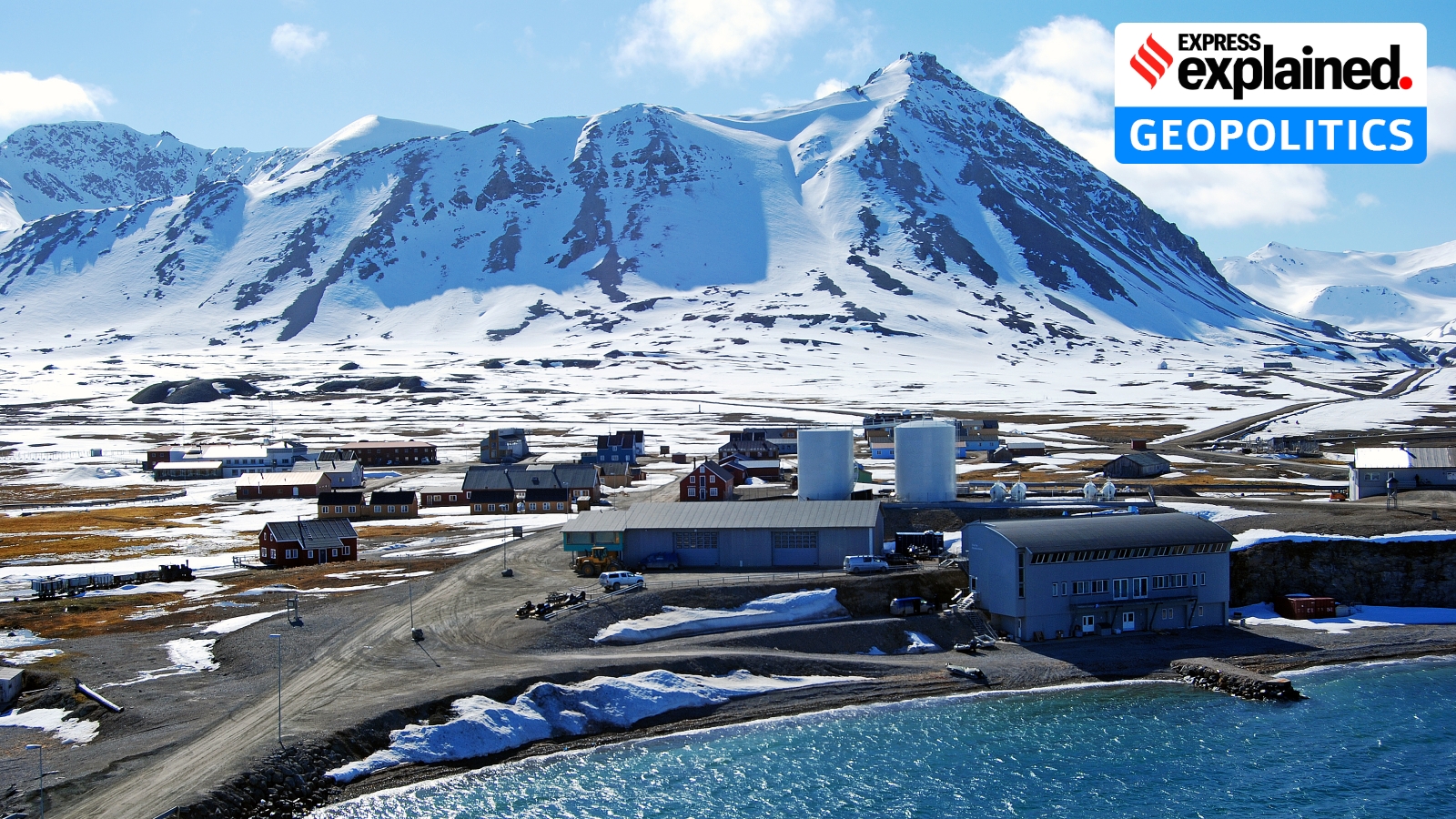
Currently, India operates a research station in Svalbard, Ny-Ålesund, but lacks a dedicated Polar Research Vessel (PRV) for pan-Arctic research. Although a PRV was sanctioned by the Union Cabinet in 2014, it remains on paper. Without a PRV, India's scientific footprint in the wider Arctic Ocean is limited, relying on collaborations with foreign partners and chartered vessels.
An indigenous PRV would enable India to undertake meaningful research and contribute to a comprehensive understanding of the Arctic's environmental and geopolitical dynamics.
Written by urgent.news from The Indian Express's reporting — not their text. Machine-written — may contain errors; check the original before relying on it.