Early detection helps identify type of allergy in children and triggers
<p>Doha, Qatar: Allergies are among the most common health conditions affecting children and may present in various forms, including allergic rhinitis, allergic asthma, eczema, food allergies, drug allergies, and insect sting allergies.</p> <p>Specialist Paediatrician at Al Mashaf Health Centre of the Primary Health Care Corporation (PHCC), Dr. Sufian Bani Awad explains that allergies may…
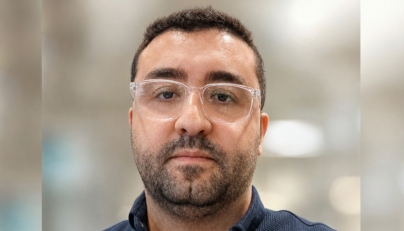
Doha, Qatar: Childhood allergies manifest in diverse ways, such as allergic rhinitis, asthma, eczema, food sensitivities, drug reactions, and insect sting allergies. These conditions often start subtly with symptoms like sneezing, congestion, coughing, itching, or skin rashes, leading parents to attribute them to a common cold. However, if symptoms persist or recur seasonally or after specific foods or medications, they signal the need for medical evaluation.
Allergies involve the immune system's exaggerated reaction to usually benign substances like dust, pollen, pet dander, and certain foods. The severity of reactions varies, ranging from mild to severe, demanding swift medical intervention in some cases. Early identification of allergies is crucial, as it allows healthcare professionals to pinpoint the allergy type and triggers, initiating timely treatment to prevent health and daily life impacts.
For instance, untreated nighttime coughing from allergic rhinitis can disrupt sleep, while uncontrolled eczema can cause persistent discomfort and sleep issues. Recognizing food allergies swiftly assists families in identifying emergency symptoms. Dr. Sufian Bani Awad, a specialist paediatrician at the Al Mashaf Health Centre of the Primary Health Care Corporation (PHCC), highlights that allergies' repercussions transcend physical symptoms to affect children's psychological, social, and educational aspects.
Kids might shy away from sports or school due to fear of symptom triggers, and families often experience anxiety. Accurate diagnosis and a well-planned treatment and prevention strategy empower children to lead active, fulfilling lives while giving parents confidence in managing the allergy. The focus is on enhancing the child's quality of life by improving sleep, participation in daily activities, school attendance, and overall growth in a secure environment.
The PHCC in Qatar supports allergy care through its extensive network of health centres, beginning with comprehensive assessments, including medical history, physical examination, and symptom analysis. A personalized treatment plan is then crafted, complemented by parental health education on trigger avoidance, medication use, and recognizing emergency signs.
Continuous follow-up ensures treatment efficacy and facilitates referrals to specialists when necessary, guaranteeing children receive the appropriate care when needed and providing families with ongoing support throughout the treatment process.
Written by urgent.news from The Peninsula Qatar's reporting — not their text. Machine-written — may contain errors; check the original before relying on it.