Denmark restored River Skjern, but lost habitats may take centuries to return
Denmark's River Skjern is undergoing a restoration project aimed at reversing the environmental impact caused by historical drainage efforts. The river now floods more of its floodplain, but artificial channels hinder its natural dynamics. While some aquatic species are bouncing back, the diversity from its past remains largely absent. The limited recreation of key backwater habitats suggests…
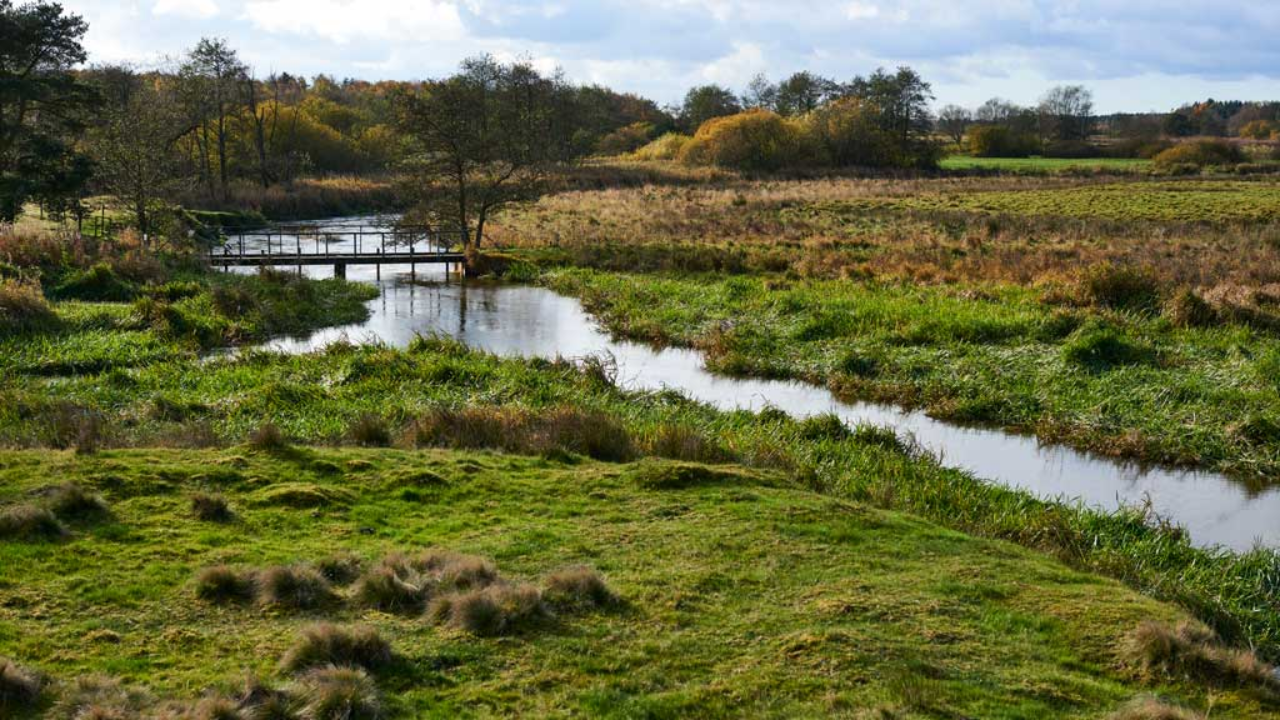
In 2001, Denmark embarked on a 19 km restoration of the River Skjern, transforming it into a winding 26 km waterway. The ambitious civil engineering project aimed to rectify environmental degradation caused by drainage initiatives in the 1960s. A decade later, a study published in Ecological Engineering (Volume 66) revealed that certain habitats lost during the engineering process could take centuries to reappear.
Researchers examined the lower River Skjern in West Jutland at three levels - changes in in-stream habitats, river channel stability and reconnection with the floodplain. They found that while regular flooding had reconnected the river with its floodplain, engineered design still dictated water movement. Bank erosion and sediment movement were minimal during the ten-year monitoring period, and the river channel changed much slower than anticipated, suggesting natural processes could take centuries to recreate complex features.
Although aquatic species showed an immediate increase in numbers, especially sensitive insect groups, the total species diversity did not return to pre-channelisation levels. The study concluded that relying solely on natural river processes yields slow results, recommending the use of restoration engineering to recreate lost habitats and dynamic processes.
Written by urgent.news from Times of India's reporting — not their text. Machine-written — may contain errors; check the original before relying on it.