De San Sebastián a Barcelona: por qué empieza a ser habitual (y práctico) pasear con sombrillas de mano
Más olas de calor, ciudades poco preparadas para afrontarlo y mucha necesidad de sombra. El paraguas para el sol ha dejado de ser un gesto de turistas asiáticos para convertirse en un objeto cotidiano en Europa
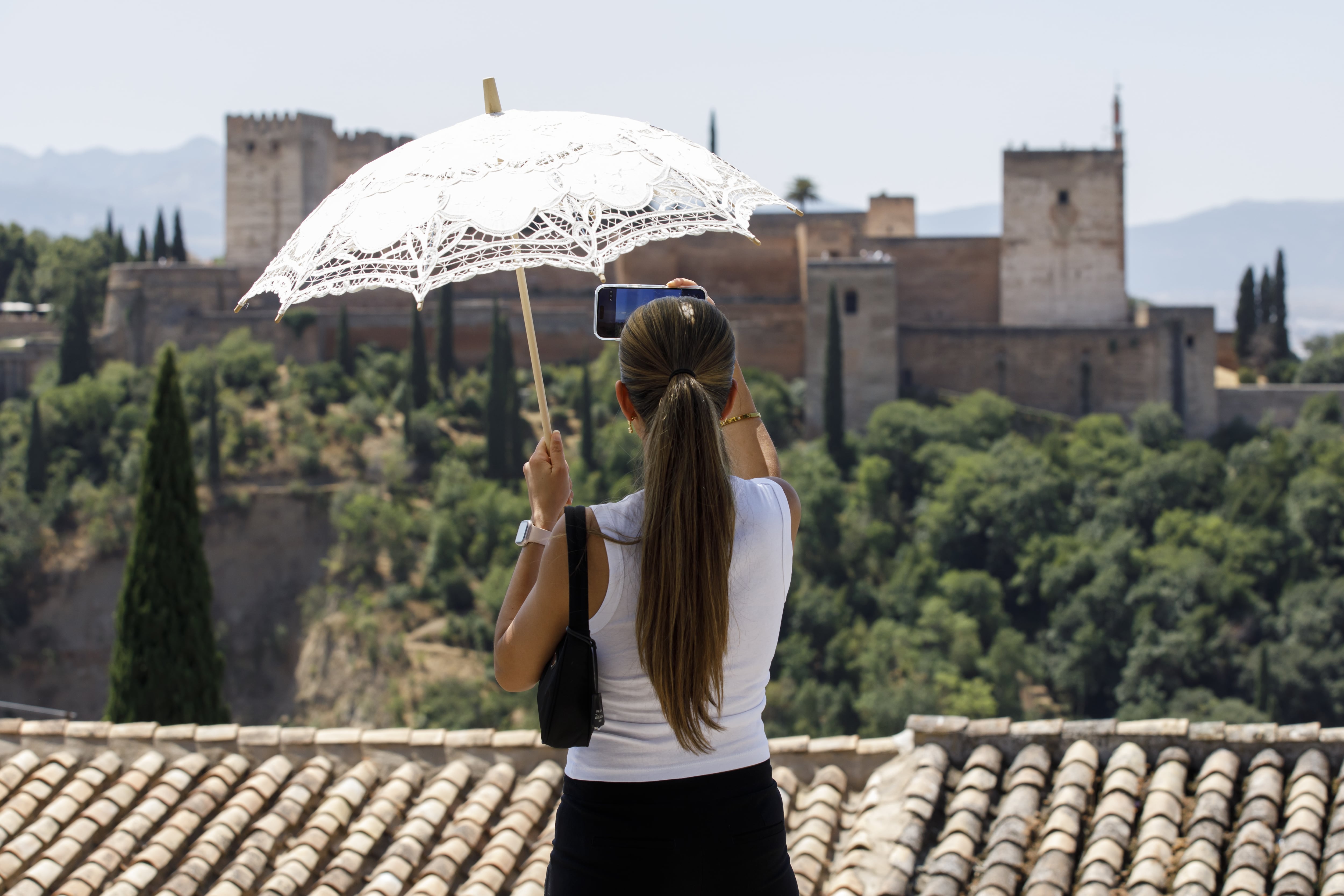
Donostia, July 28, 2026, 3:30 PM. A couple walks hand in hand through the city center while holding umbrellas. It might be a typical summer postcard of the Basque city, with rain and occasional gusts, but today it's a scorching 35 degrees Celsius and the sky is clear. That umbrella is not to shield against rain, but to protect against something far more unpleasant – and increasingly common – heat.
In Madrid that same week, a similar scene unfolded. Across Spain and beyond, an adaptation to a new climate reality is becoming increasingly common. What was once associated with Asian tourists is now a daily response to longer, more extreme and sunnier summers. Beyond the aesthetic appeal of fair skin, countries like Japan, South Korea and China have been living with extreme heat and high UV radiation for decades, leading to the widespread use of handheld umbrellas.
In Europe, this everyday adaptation to climate change has given birth to a new category of consumer products. While fashion giants have yet to embrace this trend, sports brands and established umbrella manufacturers have been preparing for some time. In Japan, brands like Sun Barry 100, Rose Blanc and Wpc dominate the market; in Europe, sports companies and traditional umbrella makers have recognized the opportunity.
Decathlon now sells UPF 50+ certified umbrellas, Germany's Knirps offers thermal models and Spain's Ezpeleta, founded in Oñati in 1935, has been producing umbrellas blocking up to 97.5% of UV radiation since 2013. What once seemed a niche product is now a daily necessity. The handheld parasol has a history dating back over 3,000 years, with ancient depictions in Egypt, Mesopotamia, India and China.
Initially ceremonial and exclusive to royalty, priests and aristocrats, the shadow it casts has historically symbolized privilege. Today, the portable parasol's 3,000-year journey continues, evolving from a symbol of privilege to an everyday necessity in the face of an increasingly sunnier climate.
Written by urgent.news from El Pais's reporting — not their text. Machine-written — may contain errors; check the original before relying on it.